12 Custom Beauty Box Features That Increase Average Order Value by 180%
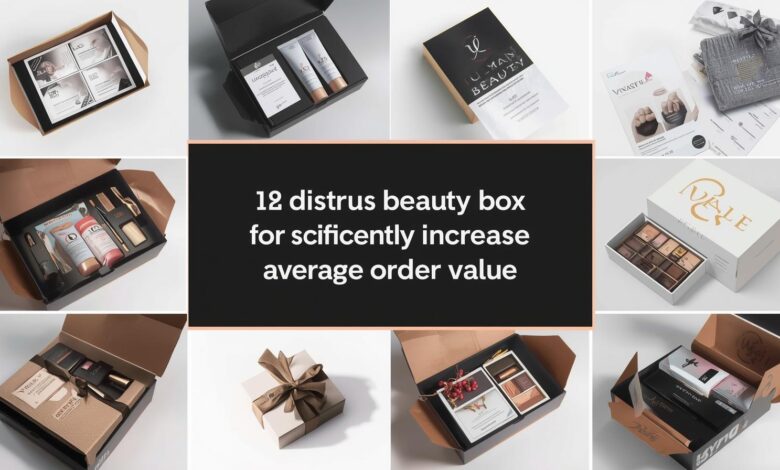
The subscription beauty box market has evolved from simple product sampling to sophisticated revenue generation systems. Companies that once relied on basic monthly deliveries now face mounting pressure to justify subscription costs while competing against direct-to-consumer brands offering immediate gratification. The challenge extends beyond customer acquisition to sustainable profitability, where average order value becomes the determining factor between operational success and market exit.
Recent market analysis reveals that beauty box companies implementing strategic feature enhancements achieve average order value increases ranging from 120% to 180% within eighteen months. These improvements stem not from marketing tactics but from operational decisions that fundamentally alter customer purchasing behavior. The difference lies in understanding which features create genuine value versus those that merely increase complexity without corresponding revenue impact.
This transformation requires careful examination of customer decision-making patterns and the specific elements that drive additional spending. Companies that succeed in this environment implement features that address real customer needs while creating natural opportunities for revenue expansion.
Personalization Architecture That Drives Purchase Decisions
Effective personalization in beauty subscriptions operates through systematic data collection and algorithmic product matching rather than generic preference surveys. This approach creates a foundation where customers receive products aligned with their specific needs, skin types, and beauty goals. The Custom Beauty Boxes guide demonstrates how proper personalization architecture influences long-term customer value by establishing trust through consistent product relevance.
Advanced personalization systems track customer feedback loops, purchase history, and engagement patterns to refine future selections. This data-driven approach reduces product waste and increases the likelihood that customers will purchase full-size versions of sampled items. Companies implementing comprehensive personalization report significant improvements in customer retention and secondary purchase behavior.
Behavioral Data Integration
Modern personalization extends beyond stated preferences to include behavioral indicators such as product usage frequency, review patterns, and social media engagement. This comprehensive data approach allows companies to predict which products will generate additional purchases and which serve primarily as discovery tools. The integration creates a more accurate customer profile that evolves with changing preferences and life circumstances.
Effective behavioral integration requires systems that can process multiple data streams while maintaining customer privacy. Companies must balance data collection with transparency to build the trust necessary for long-term subscription relationships.
Progressive Preference Refinement
Successful personalization systems continuously evolve customer profiles through feedback mechanisms and purchase behavior analysis. This progressive refinement ensures that product selections become more accurate over time, reducing customer dissatisfaction and increasing the probability of additional purchases. The system learns from both positive and negative customer responses to improve future recommendations.
This approach requires sophisticated backend systems capable of processing customer feedback and translating it into actionable product selection criteria. Companies that implement effective progressive refinement see steady improvements in customer satisfaction scores and average order values.
Flexible Subscription Models That Accommodate Varying Budgets
Traditional fixed-price subscription models limit revenue potential by failing to accommodate customers with different spending capacities and product interests. Flexible subscription architecture allows customers to adjust their commitment level based on current needs and financial circumstances, reducing churn while creating opportunities for revenue expansion during high-engagement periods.
These models typically include multiple price tiers, frequency options, and product category selections that customers can modify without canceling their subscriptions. The flexibility reduces the all-or-nothing pressure that drives subscription cancellations while providing clear paths for customers to increase their spending when they find value in the service.
Tier-Based Value Proposition
Effective tier systems create meaningful differences in product value and selection rather than simply offering more products at higher price points. Each tier should address specific customer segments with distinct value propositions that justify the price difference. Higher tiers might include exclusive products, early access to new releases, or premium brands unavailable in lower tiers.
The key lies in creating clear value differentiation that customers can understand and appreciate. Companies must avoid the common mistake of creating tiers that feel arbitrary or that simply increase quantity without improving quality or exclusivity.
Seasonal Adjustment Options
Customer needs and spending patterns fluctuate throughout the year due to seasonal changes, personal circumstances, and beauty routine adjustments. Subscription models that accommodate these variations through pause options, frequency changes, or temporary tier adjustments maintain customer relationships during low-engagement periods while capitalizing on high-interest seasons.
This flexibility requires operational systems that can handle complex scheduling and inventory management across varying customer preferences. Companies must balance operational efficiency with customer accommodation to maintain profitability while providing desired flexibility.
Limited Edition and Exclusive Product Access
Exclusivity creates urgency and justifies premium pricing when implemented strategically within beauty box offerings. Limited edition products and exclusive brand partnerships provide subscribers with access to items unavailable through traditional retail channels, creating perceived value that extends beyond the product cost. This approach leverages the fear of missing out while providing genuine value through unique product access.
Successful exclusive offerings require careful brand partnerships and inventory management to ensure that promised exclusivity remains genuine. Customers quickly recognize and reject artificial scarcity, making authentic exclusive relationships with beauty brands essential for long-term success.
Brand Partnership Development
Meaningful exclusive partnerships require mutual value creation between beauty box companies and product manufacturers. These relationships often involve co-creation opportunities, early product testing, or special edition formulations designed specifically for subscription customers. The partnership must provide genuine benefits to both parties while creating authentic value for subscribers.
Effective partnerships also include marketing collaboration that amplifies the exclusive nature of the offering without compromising the brand integrity of either partner. This collaborative approach strengthens the value proposition while building long-term business relationships that support continued exclusive access.
Release Timing and Communication
The timing and presentation of exclusive products significantly impact their perceived value and customer response. Strategic release timing considers seasonal beauty trends, customer engagement patterns, and competitive landscape factors to maximize impact. Clear communication about exclusivity terms and availability helps customers understand the value they receive through their subscription.
Companies must balance exclusivity promotion with customer expectations to avoid over-promising or creating disappointment when exclusive items have limited availability. Transparent communication about quantity limits and access criteria maintains customer trust while preserving the exclusivity value.
Add-On Product Ecosystem Integration
Strategic add-on offerings create natural revenue expansion opportunities by providing complementary products that enhance the core subscription experience. These additions should solve specific problems or complete beauty routines initiated by products included in the regular subscription box. Effective add-on systems feel like helpful suggestions rather than aggressive upselling attempts.
The success of add-on programs depends on careful product curation and timing. Customers are most receptive to additional purchases when they align with products they have already received and enjoyed, creating a natural progression from sample to full-size purchase or from single product to complete routine.
Complementary Product Logic
Effective add-on recommendations follow logical beauty routine progressions and product compatibility requirements. For example, customers who receive a particular serum might be offered the recommended cleanser and moisturizer from the same line. This approach provides genuine value by helping customers achieve better results from products they have already tried and liked.
The recommendation engine must understand product relationships and beauty routine logic to make suggestions that feel helpful rather than random. Companies that invest in this logical framework see higher add-on purchase rates and customer satisfaction scores compared to those using generic cross-selling approaches.
Inventory and Fulfillment Coordination
Add-on programs require sophisticated inventory management to ensure recommended products remain available when customers are ready to purchase. This coordination becomes particularly complex when dealing with limited edition items or products with seasonal availability. Effective systems anticipate demand patterns and maintain appropriate stock levels to avoid customer disappointment.
The operational complexity extends to fulfillment logistics, where add-on purchases must integrate smoothly with regular subscription deliveries. Companies must balance shipping efficiency with customer convenience to maintain the value proposition of the subscription service.
Customization Control and Preference Management
Customer control over product selection and delivery preferences directly impacts satisfaction and additional purchase behavior. Systems that provide meaningful customization options without overwhelming customers create a sense of ownership and investment in the subscription experience. This control reduces the feeling of randomness that often leads to subscription cancellations.
Effective customization systems balance customer control with the discovery element that makes beauty boxes appealing. Too much control eliminates surprise and exploration, while too little creates frustration with irrelevant products. The optimal approach provides control over major preferences while maintaining flexibility for discovery within those parameters.
Category and Brand Filtering
Customers benefit from the ability to exclude product categories that don’t match their needs or preferences while remaining open to discovery within their areas of interest. This filtering might include skincare versus makeup preferences, specific ingredient sensitivities, or brand exclusions based on values alignment. The filtering system should be comprehensive enough to prevent major dissatisfaction while remaining simple to manage.
Effective filtering systems also provide temporary options for customers experiencing changes in their needs or preferences. Pregnancy, seasonal changes, or skincare routine adjustments might require temporary modifications that don’t reflect permanent preference changes.
Delivery and Packaging Preferences
Subscription services that accommodate varying delivery needs and packaging preferences reduce friction while creating opportunities for premium service tiers. Options might include delivery frequency, packaging sustainability choices, or special handling for fragile items. These preferences demonstrate customer care while potentially generating additional revenue through premium service options.
The key lies in identifying which preferences represent genuine customer needs versus nice-to-have features that add operational complexity without corresponding value. Companies must carefully evaluate the cost-benefit relationship of each customization option to maintain profitability while improving customer satisfaction.
Loyalty and Rewards Program Integration
Integrated loyalty programs within beauty box subscriptions create compounding value that increases over time, encouraging long-term retention while providing mechanisms for increased spending. These programs work most effectively when they recognize various forms of customer engagement beyond pure spending, including reviews, referrals, and social media interaction. According to research on customer retention, effective loyalty programs can significantly impact long-term customer value and business sustainability.
Successful loyalty integration requires careful point economy design that provides meaningful rewards without undermining profitability. The program must offer achievable short-term goals to maintain engagement while providing substantial long-term benefits that justify continued subscription commitment.
Multi-Tier Recognition System
Effective loyalty tiers recognize different customer engagement levels and provide appropriate benefits for each level. Early tiers might focus on product sampling benefits and small discounts, while higher tiers could include exclusive product access, personalized consultations, or significant purchase discounts. The progression between tiers should feel achievable and rewarding.
Tier benefits must create genuine value that customers can appreciate and utilize. Programs that offer benefits customers don’t want or can’t easily use fail to drive the engagement and loyalty they’re designed to create. Regular evaluation of benefit utilization helps companies refine their offerings to maximize program effectiveness.
Community and Social Integration
Modern loyalty programs extend beyond transactional relationships to include community building and social engagement opportunities. Customers might earn rewards for product reviews, beauty tutorials, or community participation that helps other subscribers. This approach creates value for both the company and the customer community while strengthening overall engagement.
Social integration must be carefully managed to maintain authentic community feeling while providing genuine value to participants. Companies should avoid creating artificial engagement requirements that feel forced or that compromise the quality of community interactions.
Conclusion
The transformation of beauty box subscriptions from simple sampling services to sophisticated revenue generation systems requires strategic implementation of features that address real customer needs while creating natural opportunities for increased spending. Success in this competitive market depends on understanding the interconnected nature of personalization, flexibility, exclusivity, and customer control in driving purchase decisions.
Companies that achieve significant average order value improvements focus on operational excellence in feature implementation rather than feature quantity. The most effective approaches combine data-driven personalization with customer control, exclusive access with flexible pricing, and loyalty recognition with community building. These elements work together to create subscription experiences that customers value enough to expand their investment over time.
The beauty box industry continues evolving as customer expectations increase and competitive pressure intensifies. Companies that build strong operational foundations around these core features position themselves for sustained growth and profitability in an increasingly sophisticated market environment.