7 Critical Installation Mistakes That Void Moisture Analyzer Warranties (And How to Avoid Them)
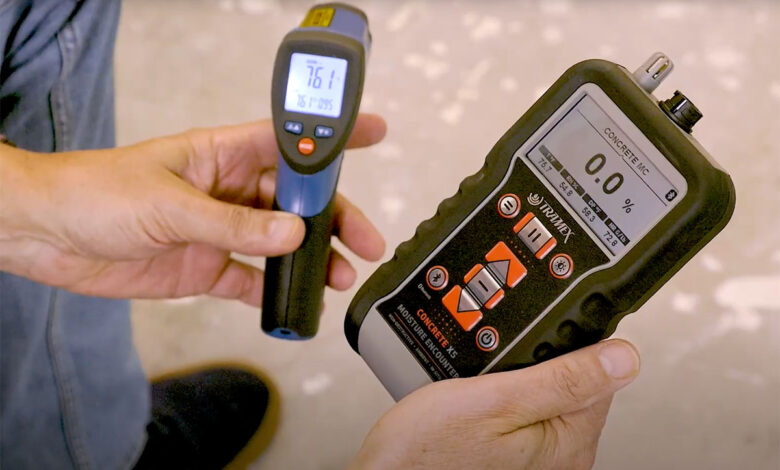
Manufacturing facilities rely on moisture analyzers to maintain product quality and regulatory compliance across industries ranging from pharmaceuticals to food processing. These precision instruments require careful installation to function properly, yet warranty claims frequently arise from preventable setup errors that compromise performance from day one. When installation procedures deviate from manufacturer specifications, the resulting operational disruptions can halt production lines, trigger quality control failures, and expose facilities to regulatory scrutiny.
Installation mistakes create cascading effects that extend far beyond the immediate equipment failure. Quality control departments lose confidence in measurement data, production schedules shift to accommodate recalibration periods, and maintenance teams face pressure to restore reliable operations quickly. Understanding these common installation pitfalls helps facilities establish proper procedures that protect both equipment investments and operational continuity.
Environmental Control Requirements During Setup
Moisture analyzers respond immediately to environmental conditions during installation, making proper climate control essential for successful deployment. Temperature fluctuations, humidity variations, and airflow disruptions during the setup process affect internal components and calibration systems before the unit becomes operational. Following a comprehensive Moisture Analyzer Installation And Qualification guide ensures that environmental parameters remain within acceptable ranges throughout the entire installation sequence.
Facilities often underestimate how quickly environmental changes impact these sensitive instruments. Opening equipment packaging in uncontrolled areas exposes internal components to moisture that may not become apparent until calibration procedures begin. Similarly, installing units near HVAC vents, doorways, or high-traffic areas creates ongoing stability issues that manifest as measurement drift over time.
Temperature Stabilization Protocols
Proper temperature stabilization requires more than simply placing the analyzer in a climate-controlled room. The internal components must reach thermal equilibrium with the surrounding environment, a process that takes considerably longer than many installation teams anticipate. Rushing this stabilization period to meet project deadlines invariably leads to calibration problems and measurement inconsistencies that warranty coverage specifically excludes.
The thermal mass of moisture analyzer components means that internal temperatures lag behind ambient conditions by several hours. Installing teams who begin calibration procedures before achieving complete thermal stability encounter baseline drift issues that require extensive recalibration work. These thermal-related problems often appear gradually, creating measurement reliability concerns that persist long after installation completion.
Airflow and Ventilation Considerations
Adequate ventilation protects moisture analyzers from heat buildup while preventing air currents from affecting measurement chambers. Installation locations near exhaust fans, compressed air lines, or personnel walkways create airflow disturbances that interfere with sample analysis procedures. The resulting measurement variations often fall within acceptable ranges during initial testing but compound over time as operational demands increase.
Proper ventilation planning requires understanding both the analyzer’s heat generation characteristics and the facility’s airflow patterns throughout different operational periods. Equipment that functions properly during installation may experience thermal stress during peak production periods when facility temperatures rise and ventilation systems operate at maximum capacity.
Electrical Connection and Grounding Errors
Electrical installation mistakes account for a significant percentage of warranty-voiding errors, particularly those involving improper grounding practices and inadequate power supply preparation. Moisture analyzers incorporate sensitive electronic components that require clean, stable power and proper electrical grounding to function reliably. Electrical installation errors often create intermittent problems that become apparent only after extended operation periods.
Many facilities assume that standard industrial electrical practices suffice for moisture analyzer installation, overlooking the specific grounding and power quality requirements that these precision instruments demand. Electrical noise from nearby equipment, ground loops, and power supply variations create measurement instabilities that compromise data quality and accelerate component wear.
Grounding System Requirements
Proper grounding eliminates electrical interference while providing safety protection for equipment and personnel. Moisture analyzers require dedicated grounding connections that isolate them from electrical noise generated by motors, variable frequency drives, and other industrial equipment. Shared grounding systems often introduce ground loops that create measurement baseline problems and electronic component stress.
Effective grounding systems must account for both safety requirements and signal integrity needs. Standard facility grounding may meet electrical code requirements while failing to provide the electrical isolation necessary for stable moisture analysis operations. The National Institute of Standards and Technology establishes measurement standards that require consistent electrical conditions for reliable analytical results.
Power Supply Quality and Conditioning
Moisture analyzers require clean electrical power within specific voltage and frequency tolerances to maintain calibration stability. Power quality issues such as voltage sags, harmonic distortion, and frequency variations affect internal reference standards and measurement circuits. These power-related problems create gradual calibration drift that may not become apparent until quality control procedures detect measurement discrepancies.
Installing dedicated power conditioning equipment protects moisture analyzers from electrical disturbances while ensuring consistent voltage and frequency characteristics. Facilities that rely on standard industrial power distribution often experience measurement reliability issues during periods of high electrical demand when power quality deteriorates throughout the facility.
Mechanical Mounting and Vibration Control
Mechanical installation errors create vibration transmission problems that affect measurement accuracy and accelerate component wear. Moisture analyzers contain precision balance mechanisms and sensitive electronic components that respond to mechanical disturbances from nearby equipment, personnel movement, and structural vibrations. Proper mounting techniques isolate these instruments from vibration sources while providing stable support for long-term operation.
Facilities often overlook vibration sources that seem unrelated to moisture analysis operations but significantly impact measurement stability. Forklift traffic, packaging equipment, and even foot traffic near the installation location create mechanical disturbances that compromise measurement repeatability and create maintenance issues over time.
Isolation and Damping Strategies
Effective vibration isolation requires understanding both the frequency characteristics of potential disturbance sources and the dynamic response of the moisture analyzer itself. Simple mounting approaches that appear adequate during installation may fail to provide sufficient isolation when production operations create complex vibration patterns throughout the facility.
Proper isolation systems must address both high-frequency vibrations from rotating equipment and low-frequency disturbances from building movement and heavy machinery operation. The mounting strategy should also accommodate thermal expansion and contraction without creating mechanical stress on the analyzer housing or internal components.
Structural Support Considerations
Adequate structural support prevents deflection and movement that affect internal calibration references and measurement mechanisms. Mounting surfaces must provide rigid support while accommodating the analyzer’s weight distribution and operational requirements. Flexible mounting surfaces or inadequate support structures create gradual alignment changes that manifest as measurement drift and calibration instability.
Support structure design must also consider maintenance access requirements and future facility modifications that could affect the installation. Permanent mounting solutions should allow for equipment removal and reinstallation without compromising structural integrity or requiring extensive facility modifications.
Calibration and Verification Procedures
Proper calibration procedures establish measurement traceability while verifying that installation conditions support reliable operation. Calibration mistakes during installation create baseline errors that propagate through all subsequent measurements, making quality control decisions unreliable and potentially compromising product quality. These calibration-related problems often void warranties because they indicate improper installation procedures or inadequate environmental control.
Many facilities rush calibration procedures to meet project deadlines, overlooking the time requirements for proper reference standard equilibration and measurement stabilization. Abbreviated calibration procedures may produce acceptable initial results while failing to establish the measurement stability necessary for long-term reliable operation.
Reference Standard Management
Calibration reference standards require careful handling and environmental control to maintain their certified accuracy values. Exposure to uncontrolled environmental conditions during installation compromises reference standard integrity and creates systematic measurement errors that affect all subsequent analysis results. Proper reference standard management includes storage, handling, and equilibration procedures that protect certified accuracy values throughout the installation process.
Reference standard deterioration often occurs gradually, creating measurement bias that becomes apparent only when comparing results against independent standards or during routine calibration verification procedures. Establishing proper reference standard management procedures during installation prevents these systematic errors while ensuring long-term measurement reliability.
Performance Verification Testing
Comprehensive performance verification confirms that installation procedures have produced a properly functioning moisture analyzer capable of meeting specified accuracy and precision requirements. Verification testing must include repeatability assessments, linearity checks, and stability evaluations under actual operating conditions. Abbreviated verification procedures may miss installation-related problems that affect measurement performance under normal operating conditions.
Effective verification testing requires sufficient time for the analyzer to demonstrate stable operation under realistic sample loads and environmental conditions. Installation teams who limit verification testing to basic functionality checks often miss performance degradation issues that become apparent only during extended operation periods.
Sample Handling and Contamination Prevention
Contamination introduced during installation creates ongoing measurement problems that typically void warranty coverage because they result from improper handling procedures. Moisture analyzers incorporate sensitive measurement chambers and sample handling systems that retain contamination from installation activities, cleaning procedures, and initial sample processing attempts. Even minor contamination can affect measurement accuracy and create maintenance requirements that exceed normal operational expectations.
Installation teams often underestimate how easily contamination transfers from tools, packaging materials, and handling procedures into the analyzer’s measurement systems. Cross-contamination between different sample types during initial testing creates baseline interference that affects measurement accuracy for extended periods after installation completion.
Chamber Preparation and Cleaning
Proper measurement chamber preparation removes manufacturing residues, packaging materials, and handling contamination that could affect sample analysis results. Chamber cleaning procedures must address both visible contamination and residual materials that may not become apparent until specific sample types reveal their presence through measurement interference or baseline drift.
Cleaning procedures must also consider the compatibility between cleaning materials and the analyzer’s internal surfaces and components. Inappropriate cleaning solvents or aggressive cleaning techniques can damage protective coatings and create surface conditions that promote contamination retention and measurement instability.
Initial Sample Processing Protocols
Initial sample processing during installation verification should follow established protocols that prevent cross-contamination while confirming measurement accuracy across the expected sample range. Random sample selection or inappropriate sample preparation during installation testing can introduce contamination that affects measurement baseline stability and creates ongoing calibration drift issues.
Proper initial sample processing also establishes handling procedures that facility personnel will follow during routine operations. Inadequate training or demonstration of proper sample handling techniques during installation often leads to contamination problems that develop gradually as operational experience accumulates.
Documentation and Compliance Requirements
Comprehensive installation documentation provides warranty protection while establishing the procedural foundation for regulatory compliance and quality system requirements. Missing or inadequate installation documentation frequently voids warranty coverage because manufacturers cannot verify that proper installation procedures were followed. Complete documentation also supports troubleshooting efforts and maintenance planning throughout the analyzer’s operational life.
Many facilities treat installation documentation as administrative overhead rather than recognizing its role in protecting equipment investments and supporting long-term operational success. Inadequate documentation creates problems during warranty claims, regulatory inspections, and quality system audits that far exceed the effort required to maintain proper installation records.
Installation Qualification Records
Installation qualification documentation must demonstrate that all environmental, electrical, and mechanical requirements were met during the installation process. Complete qualification records include environmental monitoring data, electrical verification measurements, and mechanical installation confirmations that provide objective evidence of proper installation procedures.
Qualification records should also document any deviations from standard installation procedures and the corrective actions taken to address them. These deviation records often prove crucial during warranty claims or regulatory inspections when questions arise about installation compliance with manufacturer requirements.
Operational Qualification Evidence
Operational qualification testing confirms that the installed moisture analyzer performs according to specifications under actual operating conditions. This qualification phase requires comprehensive testing that demonstrates measurement accuracy, precision, and stability across the expected range of operational conditions and sample types.
Proper operational qualification generates performance data that establishes baseline expectations for ongoing operation while providing reference standards for future performance evaluations. This baseline data becomes essential for troubleshooting performance problems and supporting warranty claims related to measurement accuracy or stability issues.
Conclusion
Avoiding these critical installation mistakes requires systematic attention to environmental control, electrical installation, mechanical mounting, calibration procedures, contamination prevention, and documentation requirements. Each aspect of the installation process affects long-term analyzer performance and warranty protection. Facilities that invest adequate time and resources in proper installation procedures protect their equipment investments while establishing reliable moisture analysis capabilities that support quality control objectives and regulatory compliance requirements. The cost of proper installation procedures invariably proves less than the operational disruption and warranty complications that result from installation shortcuts and oversights.