7 Signs Your John Deere Hydraulic System Is Failing (And What Repairs Actually Cost in the US)
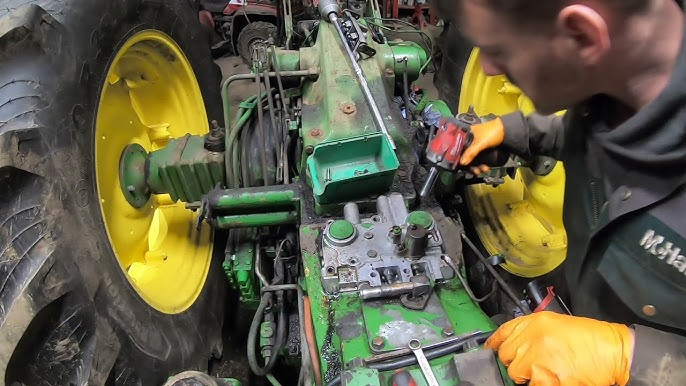
John Deere equipment is built for demanding work cycles, but even well-maintained machines develop hydraulic problems over time. For farm operators, contractors, and fleet managers, a hydraulic failure rarely happens at a convenient moment. It tends to surface mid-season, mid-project, or when a piece of equipment is being relied on most heavily. The result is unplanned downtime, delayed work, and the added pressure of diagnosing a problem that isn’t always straightforward to identify.
Hydraulic systems on John Deere tractors, loaders, backhoes, and compact utility machines handle a significant share of the mechanical workload. Steering, lifting, digging, and attachment control all run through the hydraulic circuit. When that system begins to deteriorate, the effects show up gradually before they become acute. Understanding those early warning signs — and having a realistic sense of what repairs cost in the United States — helps operators make better decisions about when to act, when to wait, and when a repair is worth investing in versus replacing a component outright.
Why Hydraulic System Failures Are Often Misread Early On
Hydraulic failures in John Deere equipment rarely announce themselves with an obvious breakdown. More often, they develop through a progression of subtle performance changes that operators attribute to other causes — worn tires, load variation, seasonal temperature shifts, or operator technique. By the time the failure is undeniable, the damage has usually extended beyond the original source. This pattern is one of the core reasons that professional john deere hydraulic repair work so frequently involves secondary damage that could have been avoided with earlier intervention.
For operators who want a grounded starting point on what professional service involves, resources covering john deere hydraulic repair outline the scope of what qualified shops assess, from pump integrity to cylinder seals to control valve function. The diagnostic process matters as much as the repair itself, because replacing one component without evaluating the full circuit often leads to repeat failures within the same season.
The Role of Fluid Contamination in Early Failure Stages
Contaminated hydraulic fluid is one of the most common and most underestimated causes of progressive system damage. Once particulate matter, water, or degraded fluid enters the circuit, it begins wearing internal surfaces in the pump, valves, and cylinders. The machine may still function normally for weeks or months while this wear accumulates invisibly. Operators who delay fluid sampling or filter changes during high-use periods are often the ones who face the most extensive repair needs later. Contamination doesn’t just shorten component life — it distributes the damage across multiple parts simultaneously, making the eventual repair more involved.
Sign One: Slow or Sluggish Implement Response
When hydraulic-powered implements — loader arms, three-point hitches, or backhoe buckets — begin responding more slowly than usual, it typically indicates reduced pressure or flow within the system. This slowness is easy to rationalize as a load issue or normal variation, but it’s a meaningful early indicator of pump wear, internal bypass, or a developing restriction in the control circuit.
How This Symptom Progresses Without Intervention
Sluggish response that goes unaddressed tends to worsen gradually rather than stabilizing. As internal pump components wear further, the pressure deficit increases. What begins as a noticeable delay in lift response can progress to an inability to hold loaded positions under pressure, particularly when the machine is under demand for extended periods. Operators often compensate behaviorally — adjusting how they use the machine — which masks the problem until it becomes a genuine operational limitation.
Sign Two: Unusual Noises From the Hydraulic Pump
A healthy hydraulic pump operates with a consistent, low mechanical noise. When that noise changes — particularly when operators notice whining, knocking, or cavitation sounds during operation — it indicates that something inside the pump is under abnormal stress. Cavitation, which occurs when air enters the fluid circuit and collapses under pressure, is especially damaging because it erodes internal pump surfaces rapidly.
Distinguishing Pump Noise From Other Mechanical Sources
Pump noise can be confused with bearing issues in the drivetrain or PTO assembly. The distinction matters because misidentifying the source leads to unnecessary part replacements while the actual problem continues. Hydraulic pump noise typically correlates with load — it worsens when the implement is under pressure and diminishes at idle with no demand on the circuit. That load-dependent pattern is a useful diagnostic indicator when an operator is trying to describe the problem to a technician before a formal inspection.
Sign Three: Visible Fluid Leaks Around Cylinders or Hoses
External fluid leaks are among the most visible signs of hydraulic system deterioration, and they’re also among the most ignored in the early stages. A slow seep around a cylinder rod, a weeping fitting, or a slightly damp hose connection may not seem urgent when the machine is still performing its tasks. But hydraulic fluid loss is not simply a maintenance nuisance — it changes system pressure, introduces air, and accelerates wear in components that depend on consistent fluid volume to function properly.
Where Leaks Originate and Why Location Matters
The location of a leak provides important diagnostic information. Cylinder rod seal leaks suggest wear or damage to the seal itself, often from debris scoring the rod surface. Hose connection leaks may indicate fitting fatigue, improper torque during a previous service, or hose degradation from heat cycling. Control valve leaks often point to internal seal failure within the valve body. Each of these requires a different repair approach, and addressing one without inspecting the others leaves the system vulnerable to continued deterioration.
Sign Four: Inconsistent or Drifting Implement Position
When a loaded implement — a bucket, a blade, or a hitch attachment — drifts downward or shifts position without operator input, it indicates that the hydraulic circuit is not holding pressure as it should. This behavior points to internal leakage, either within the cylinder itself or through a control valve that is no longer seating properly. As described in guidance from the Occupational Safety and Health Administration, uncontrolled movement of hydraulic-powered equipment poses real safety risks to operators and those working nearby.
The Difference Between Drift and Normal Settling
Some minor position adjustment is normal in hydraulic systems, particularly as temperatures change and fluid viscosity shifts. Problematic drift is distinguished by its consistency and rate — if a loaded implement drops measurably within a few minutes of being held in a raised position, the system is losing internal pressure faster than it should. This symptom is particularly relevant on machines used for tasks where position accuracy matters, such as grading, leveling, or precise material handling.
Sign Five: Overheating Hydraulic Fluid
Hydraulic fluid that runs hotter than its designed operating range breaks down chemically, loses its viscosity properties, and begins damaging seals and internal surfaces throughout the circuit. Overheating can result from a restricted cooler, low fluid level, excessive internal bypass due to worn components, or operating cycles that exceed the system’s thermal capacity. It is a systemic indicator — not a problem with one part, but a sign that the overall circuit is working harder than it should to maintain function.
Operational Patterns That Accelerate Thermal Damage
Machines used in continuous heavy-duty cycles without adequate cool-down intervals are particularly vulnerable to thermal degradation. When fluid breaks down from heat, it becomes less effective at lubricating moving parts, which then wear faster, which creates more internal bypass and friction, which generates more heat. This self-reinforcing cycle can move from manageable to severe within a single extended work period. Monitoring operating temperatures and addressing restricted coolers early prevents a straightforward maintenance issue from becoming a full system overhaul.
Sign Six: Erratic or Unresponsive Steering
On John Deere tractors and compact loaders that rely on hydrostatic or power-assisted steering, changes in steering response are a direct signal that the hydraulic circuit supporting that function is compromised. Stiffness, wandering, or delayed response during turns are not minor inconveniences — they affect operator control of the machine and can become a safety concern during field work or site operations. John deere hydraulic repair work that involves steering circuits requires careful diagnosis of the steering pump, priority valve, and cylinder assembly together rather than in isolation.
Sign Seven: Reduced Lifting Capacity Under Load
A machine that struggles to lift loads it previously handled without difficulty is showing a measurable loss of hydraulic performance. This is typically caused by pump wear reducing output pressure, cylinder seal degradation causing internal bypass, or a relief valve that is no longer holding its set pressure. Unlike some of the earlier signs, reduced lift capacity tends to be noticed quickly because it has a direct impact on productivity and task completion.
What Reduced Lift Capacity Indicates About System-Wide Health
When lift capacity drops noticeably, it rarely means only one component has failed. The hydraulic pump, control valves, and cylinders function as a circuit, and pressure loss in one area affects the entire system’s output. A thorough evaluation of john deere hydraulic repair needs in this situation typically includes pressure testing at multiple points in the circuit rather than a single component inspection. Addressing only the most obvious point of failure without evaluating system pressure at multiple stages often results in repeat symptoms within the same operating season.
What John Deere Hydraulic Repairs Actually Cost in the US
Repair costs for John Deere hydraulic systems vary considerably depending on the machine type, the specific components involved, and whether work is performed at a dealership, an independent shop, or through a specialized hydraulic service provider. Seal replacements and cylinder rebuilds at the lower end of complexity typically fall within a few hundred dollars in labor and parts. Hydraulic pump replacements or full circuit overhauls on larger machines can reach into several thousand dollars, particularly when contamination damage has extended to multiple components.
What drives cost upward more than any other factor is delayed repair. A machine brought in for service at the first sign of sluggish response or minor leakage typically requires less work than one that has continued operating with developing system damage for weeks or months. The diagnostic investment made early — even when it confirms that a repair is not yet urgent — tends to reduce total expenditure over the life of the machine.
Labor rates for john deere hydraulic repair across the US range from independent shops in rural areas, where overhead is lower, to certified dealership service centers in metropolitan markets, where rates reflect higher facility and personnel costs. Operators who use specialized hydraulic shops rather than general equipment dealers sometimes find more competitive pricing on component rebuilds, though this depends heavily on the shop’s familiarity with the specific machine platform.
Closing Thoughts
Hydraulic system problems in John Deere equipment follow recognizable patterns. Slow response, unusual noise, visible leaks, implement drift, overheating, steering changes, and reduced lift capacity are not independent events — they are stages in a deterioration process that responds well to early attention and poorly to prolonged delay. Operators who understand these signs as system indicators rather than isolated inconveniences are better positioned to make repair decisions before those decisions are made for them by a complete failure.
The cost of john deere hydraulic repair is real, and it scales with how far a problem has been allowed to develop. An informed approach to monitoring, diagnosis, and timely service is the most practical way to manage that cost over the working life of the equipment.