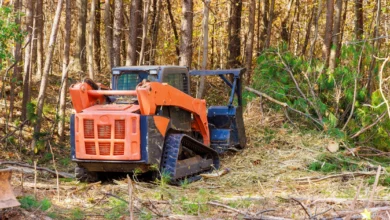
7 Things You Must Inspect Before Buying a Forestry Boom Truck in the US
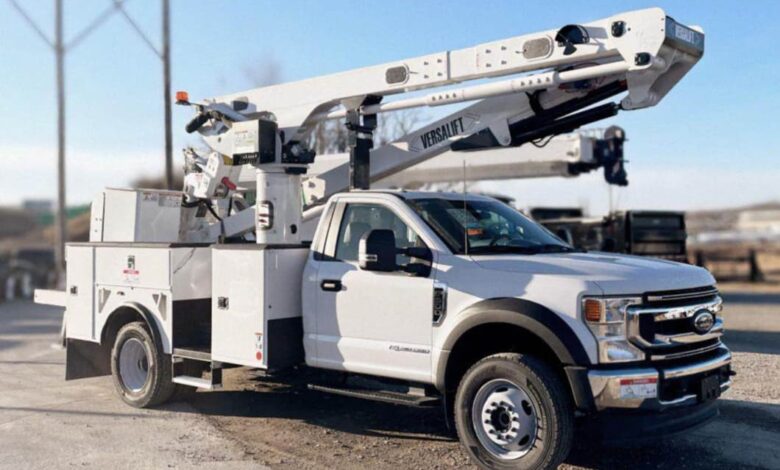
Purchasing heavy equipment for forestry operations is not a decision that recovers easily from a mistake. Unlike general construction equipment, a forestry boom truck operates in environments that are unpredictable, physically demanding, and often far removed from the nearest service facility. The terrain is rough, the loads are irregular, and the work cycles are intense. When a truck fails in the middle of an active job site, the downstream consequences reach well beyond repair costs — missed deadlines, stalled crews, and safety exposure all compound quickly.
The used equipment market in the United States includes a wide range of forestry boom trucks at various ages, configurations, and price points. That variety creates opportunity, but it also demands careful scrutiny. A truck that appears operationally sound during a brief visual inspection may carry hidden mechanical problems, structural fatigue, or compliance issues that only surface after purchase. The seven areas covered in this article represent the most consequential inspection points for anyone seriously evaluating a forestry boom truck before committing to a purchase.
1. Boom Condition and Structural Integrity
The boom is the most mechanically complex and operationally critical component of the truck. It bears the full weight of the load, the stress of extension and rotation, and repeated exposure to impact from branches, logs, and uneven terrain. When evaluating any forestry boom truck for sale, the boom assembly should be your first and most detailed point of inspection, not an afterthought after reviewing the chassis.
Buyers who treat boom inspection casually often discover cracks, weld repairs, or deformation only after placing the truck into service. At that point, the options are expensive repairs, reduced capacity ratings, or outright replacement of boom sections.
What to Look for in Boom Welds and Extension Sections
Weld repairs along boom sections are common in used equipment, but not all repairs are equal. A clean, properly documented weld performed by a certified technician at a qualified shop differs significantly from a field repair done to get a truck back into production quickly. Inspect every visible weld joint for signs of cracking, porosity, or layered repairs — multiple repair passes over the same area suggest recurring stress at that point.
Telescoping sections should extend and retract smoothly without binding, jerking, or hesitation. Any resistance in the extension mechanism can indicate worn wear pads, bent inner sections, or hydraulic irregularities. These issues do not resolve with use — they worsen under load.
2. Hydraulic System Condition
Hydraulic systems in forestry equipment absorb a substantial amount of abuse. The combination of continuous operation, contaminated environments, and thermal cycling puts significant stress on hoses, cylinders, valves, and the pump itself. A hydraulic failure in the field is rarely minor — it often means complete loss of boom function and an immobilized truck.
Hose Condition and Fluid Quality as Early Indicators
Hose condition is one of the most accessible indicators of overall hydraulic system health. Hoses that show surface cracking, staining from past leaks, or abrasion marks along their length indicate a maintenance program that has allowed wear to accumulate. Replacing hoses is not expensive in isolation, but it signals that other hydraulic components may have been equally neglected.
Hydraulic fluid color and clarity also communicate maintenance history. Fluid that appears dark, cloudy, or carries a burnt smell has likely been left in service past its useful interval. Contaminated fluid accelerates wear inside pumps and control valves — components that are considerably more expensive to replace than a fluid change.
3. Outrigger and Stabilizer Function
Outriggers are what keep a forestry boom truck stable during lifting and aerial work. Their mechanical condition is directly tied to operator safety and load capacity performance. A truck with compromised outrigger function poses a real risk of tip-over during heavy lifts, particularly on uneven forestry terrain where the ground surface is rarely level or consistent.
Cylinder Drift and Pad Wear as Red Flags
Cylinder drift — where an extended outrigger slowly retracts under load without input — is a serious condition that indicates internal seal failure. It is not visible during a static inspection but becomes apparent during a functional test. Always request a full extension and hold test of every outrigger before finalizing any purchase decision.
Outrigger pads should be inspected for deformation, cracking, or unusual wear patterns. Pads that show uneven contact surface wear may indicate that the truck has been operated on severely sloped terrain with improper setup, which compounds stress on the outrigger pivot points and mounting frames.
4. Chassis Frame and Mounting Points
The relationship between the boom assembly and the truck chassis is load-bearing in both directions. The chassis must handle not only the weight of the boom itself but also the dynamic forces generated during lifting, rotation, and travel over rough ground. Frame condition is often overlooked during equipment inspections because it requires getting underneath the truck — a step many buyers skip.
Why Sub-Frame Integrity Affects More Than Just Structural Safety
Cracks or deformation in the sub-frame beneath the boom mounting points are among the most costly problems to address post-purchase. Repairing a compromised sub-frame typically requires the boom to be removed, the frame to be properly straightened or replaced, and the entire assembly to be recertified. This process takes time and introduces the truck to a period of complete downtime.
Mounting bolts, gussets, and reinforcement plates should all be examined for signs of movement or fatigue. Rust patterns around mounting hardware can reveal whether water has been consistently entering gaps — which only happens when fasteners are loose or improperly sealed.
5. PTO and Drive System Engagement
The power take-off system is what transfers engine power to the hydraulic pump that operates the boom. In forestry applications, where the boom is in nearly constant use during work cycles, the PTO is under sustained load for extended periods. A worn or improperly maintained PTO system can cause hydraulic underperformance and, in more serious cases, driveline damage that affects the truck’s road capability.
Engagement Behavior as a Diagnostic Window
When testing PTO engagement, listen for smooth, clean transitions without grinding, clunking, or hesitation. Rough engagement often points to worn shift collars or improper adjustment — issues that are manageable when caught early but that escalate into full replacement scenarios if ignored. Also observe whether hydraulic pressure builds consistently after engagement. Slow pressure buildup can indicate pump wear that will only become more pronounced with continued use.
According to the Occupational Safety and Health Administration, equipment with improperly functioning PTO and mechanical drive systems represents a documented source of workplace injury in tree care and forestry operations — reinforcing that this inspection point carries safety implications beyond simple mechanical performance. You can review relevant federal guidance through OSHA’s tree trimming and logging safety resources.
6. Rotation System and Slewing Ring Condition
The slewing ring — sometimes called the turntable bearing — connects the rotating boom assembly to the stationary base on the truck. It allows the boom to swing through its full arc of motion during operation. In forestry work, where the operator frequently repositions the boom to address different cutting or lifting angles, the slewing ring absorbs continuous rotational load and impact stress.
How Wear Progression in Slewing Rings Affects Operations
Early-stage slewing ring wear often presents as subtle looseness or slight wobble during boom rotation. This is detectable through a physical check — manually attempting to rock the boom assembly while it is in a stationary, extended position. Any perceptible movement indicates bearing play that will worsen as loads are applied.
Replacement of a slewing ring is a significant labor and parts investment. Beyond the direct cost, it requires equipment downtime and, depending on the truck configuration, may require specialized tooling and alignment procedures. Buyers who catch this condition before purchase are in a negotiating position; those who discover it afterward absorb the full cost without recourse.
7. Compliance Documentation and Inspection Records
A forestry boom truck without complete and current documentation creates operational and legal exposure that goes beyond what any mechanical inspection can address. In the United States, aerial devices and boom trucks used in commercial operations are subject to inspection and certification requirements that vary by application, but generally follow standards established by ANSI and supported by individual state and federal regulatory frameworks.
What Missing Records Actually Signal About Maintenance History
When a seller cannot produce maintenance records, annual inspection certificates, or load test documentation, that absence is itself informative. It does not necessarily mean the work was not done — but it means there is no accountability trail. In commercial forestry operations, where equipment is used by multiple operators and moves between job sites, the absence of documented history creates uncertainty about every maintenance event that should have occurred.
Particularly important are records of any structural repairs, boom or cylinder replacements, or documented deficiencies from prior inspections. A truck that has had boom work performed by a qualified shop under documented conditions is far less risky than one where repairs are unverifiable. Request all available documentation before any purchase agreement is signed, and treat gaps in the record as questions that require direct answers.
Closing Thoughts on Buying a Forestry Boom Truck
A thorough pre-purchase inspection is not a formality — it is the most practical risk-management step available to any buyer evaluating used forestry boom equipment. The seven areas covered here represent the points where problems are most costly, most likely to affect operational continuity, and most difficult to reverse once ownership has transferred.
Buyers who approach this process with patience and a structured checklist consistently make better purchasing decisions than those who rely on visual impressions or seller representations alone. The goal is not to find a perfect truck — used equipment rarely meets that standard — but to understand exactly what you are buying and to price that knowledge into the transaction.
Those actively reviewing options in this category will find it useful to spend time exploring current listings for a forestry boom truck for sale through reputable equipment platforms where inventory is categorized by type and region. Understanding what is currently available in the market also provides a useful baseline for evaluating whether a specific truck is reasonably priced relative to its condition and specifications.
The physical inspection, documentation review, and functional testing described in this article take time. That time is consistently well spent. A forestry boom truck represents a significant capital commitment, and the operational consequences of a poor purchasing decision extend well beyond the purchase price itself.