Ergonomic Office Chairs and Desks: Create a Comfortable Workspace
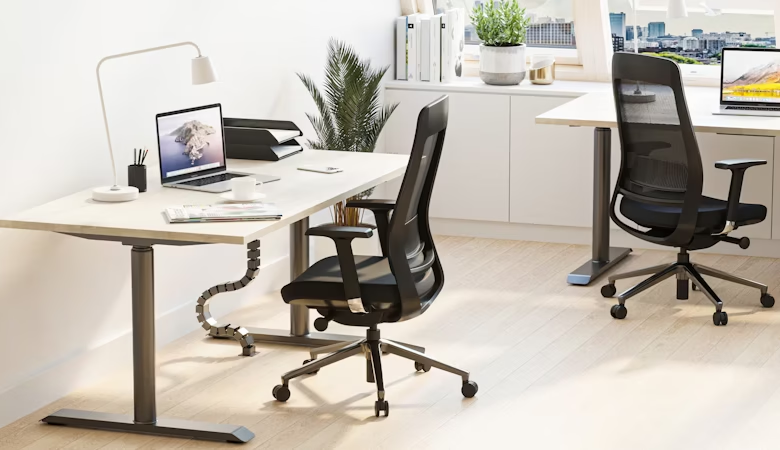
The shift towards remote and hybrid work has changed how we think about our professional environments. More of us are now spending our working hours at home, which means the kitchen table or the sofa often doubles as a workstation. While convenient, these temporary solutions can lead to poor posture and a host of discomforts that affect both health and productivity. Creating a comfortable workspace starts with the right foundations: ergonomically designed office chairs and an office desk.
An ergonomic setup isn’t a luxury; it’s a crucial investment in your long-term wellbeing. Aches and pains that start small can become chronic issues, while a well-designed space can boost your focus and efficiency. This guide will walk you through the essentials of choosing the right furniture for your home office setup and explain why ergonomics should be a priority.
Why Ergonomics Matter
Have you ever finished a long workday feeling stiff, sore, and completely drained? The cause is often a workspace that works against your body’s natural posture. Ergonomics is the science of designing environments to fit the people who use them, not the other way around. Applying its principles to your office setup can have a significant impact.
Good ergonomics offers numerous health benefits. It helps reduce the risk of musculoskeletal issues, such as lower back pain, neck strain, and repetitive strain injury (RSI). When your chair and desk support your body correctly, you put less stress on your spine, shoulders, and wrists. This focus on posture support is fundamental to preventing long-term health problems.
Beyond physical health, a comfortable setup is directly linked to mental performance. When you aren’t constantly shifting in your seat to find a comfortable position, you can dedicate more mental energy to your tasks. This improved focus leads to greater productivity and a more positive working experience.
Choosing the Right Office Chair
Your office chair is arguably the most important piece of furniture in your workspace. You spend hours in it every day, so its ability to support you is paramount. While any chair can serve as a seat, ergonomic chairs are engineered specifically for comfort and health during long periods of sitting.
So, what separates standard office chairs from their ergonomic counterparts? It comes down to adjustability and targeted support.
Key Features of an Ergonomic Chair:
- Adjustable Height: Your feet should rest flat on the floor with your knees at a 90-degree angle. A pneumatic lever to easily adjust the seat height is a must-have feature.
- Lumbar Support: The inward curve of your lower back needs proper support to avoid slouching and spinal strain. Good ergonomic chairs have adjustable lumbar support that fits the natural curve of your spine.
- Adjustable Armrests: Your armrests should allow your shoulders to remain relaxed. Look for armrests that you can adjust in height and width, so your arms can rest comfortably at a 90-degree angle while typing.
- Sufficient Cushioning and Width: The seat should be comfortable to sit on for extended periods and wide enough to not restrict movement. The material should be breathable to prevent discomfort.
- Swivel and Casters: The ability to rotate and roll easily allows you to reach different parts of your desk without straining.
Tips for Proper Seating Posture
Once you have your ergonomic chair, use it correctly. Sit back in your chair so your spine is against the backrest. Adjust the height so your feet are flat on the floor and your thighs are parallel to it. Ensure your screen is at eye level to keep your neck in a neutral position.
Selecting the Ideal Office Desk
Your office desk is the other half of the ergonomic equation. It works in tandem with your chair to create a functional and supportive workspace. The right desk gives you the space you need to work efficiently while encouraging good posture.
Key Considerations for Your Desk:
- Height and Size: The desk should be at a height that allows your arms to rest at a 90-degree angle when typing. If it’s too high, your shoulders will shrug; too low, and you’ll hunch over. The surface should be large enough to hold your monitor, keyboard, and other essentials without feeling cramped.
- Adjustable or Sit-Stand Desks: An ergonomic desk, especially a sit-stand model, offers the ultimate flexibility. These desks allow you to alternate between sitting and standing throughout the day, which can improve circulation, reduce back pain, and boost energy levels.
- Desk Placement and Lighting: Position your desk to take advantage of natural light without causing glare on your screen. A window to your side is often ideal. Augment this with a good desk lamp to reduce eye strain, especially during darker winter months.
Creating a Comfortable Workspace
With the right office chair and office desk selected, the final step is to bring them together to create a cohesive and comfortable workspace. The goal is a setup where your body feels neutral and supported.
Your chair and desk must work together. Adjust your chair first, then adjust your desk height (if possible) to match. Your keyboard and mouse should be close enough that you can use them with relaxed elbows and straight wrists.
Consider adding accessories that further enhance ergonomics:
- Monitor Stands: These elevate your screen to eye level, preventing you from hunching your neck.
- Footrests: If your feet don’t comfortably reach the floor even after adjusting your chair, a footrest provides stability and support.
- Keyboard Trays: An adjustable tray can position your keyboard and mouse at the ideal height and angle for your wrists.
Finally, keep your workspace organised. A cluttered desk can create physical and mental stress. Use simple storage solutions to keep your surface clear, allowing you to focus on the task at hand.
Invest in Your Health and Productivity
Creating an ergonomic home office setup is one of the best investments you can make for your professional life and personal health. The initial cost of quality office chairs and a proper office desk pays dividends in the form of reduced pain, improved focus, and sustained productivity.
By prioritising comfort and posture support, you’re not just building a better workspace; you’re investing in your long-term wellbeing. Take the time to assess your current setup and make the changes needed to work more comfortably and efficiently.