The Real Reasons Seasonal Depression Is Common Among Seniors
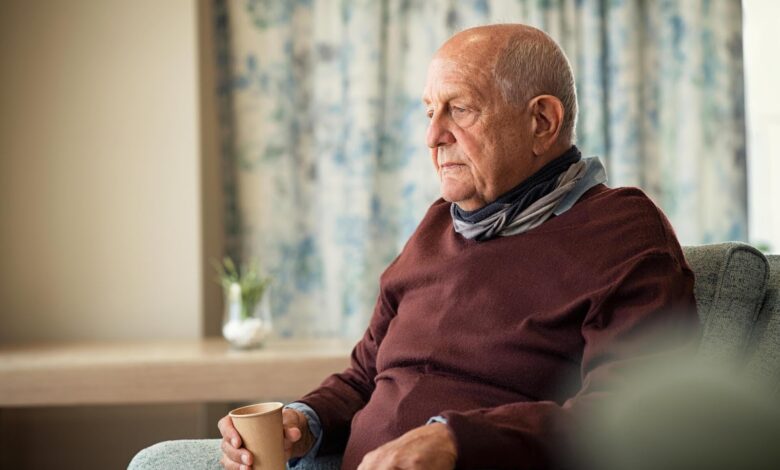
Have you ever wondered why many older adults feel their mood change when the seasons shift? These changes can seem small at first, but they often grow stronger as days get shorter and colder. Many seniors notice they feel tired, sad, or withdrawn, even when nothing else in their life has changed.
These feelings can be confusing, and families may not know what to think. In this guide, you will learn the real reasons seasonal depression affects so many older adults, and you will see how this knowledge can help you offer better support and understanding.
Why Seasonal Depression Affects Older Bodies And Minds
One major reason seasonal depression is common among seniors is the way aging changes the body. As people grow older, their eyes take in less light. This makes it harder for the brain to keep a steady sleep and wake rhythm.
When daylight becomes limited during winter, this rhythm becomes even more uneven. Many seniors then feel low energy and low motivation because their bodies struggle to stay balanced. Low sunlight also affects how the brain makes mood-supporting chemicals, and this shift can make older adults more sensitive to dark and cold months.
How Limited Social Time Makes Mood Drops Worse
Many seniors have fewer chances to be around others once winter arrives. Cold weather, icy roads, and shorter days make it hard to get out, even for simple tasks. Staying indoors may seem safe, but long hours without real social contact can make a sad mood feel heavier.
Some seniors also live far from family or no longer drive, which adds to isolation. When social life shrinks at the same time the season becomes darker, seniors feel a double impact that makes seasonal depression stronger and harder to shake.
The Role Of Health Conditions In Seasonal Mood Changes
Seasonal depression often feels more intense for seniors because of existing health issues. Conditions like arthritis, heart disease, or chronic pain tend to act up during cold months. When pain rises, mood often drops.
Many seniors also take medicines that may affect sleep or energy. When the season changes, these effects become more noticeable.
Even mild illness can make seniors feel less steady and more worried, which adds emotional strain. All these factors work together and make winter mood changes harder to cope with.
How Families Can Make A Real Difference
Family support plays a strong role in reducing seasonal depression, even when the weather cannot be changed. Small acts of care, like regular calls or planned indoor visits, can bring comfort. Gentle routines with light activity can brighten the day for seniors who feel stuck inside.
Kind reminders to open curtains or sit near sunny windows can also lift mood. During winter, seniors often feel forgotten, so steady care from loved ones becomes very meaningful. This is also where simple guidance like helping seniors manage winter blues becomes useful for families who want to stay involved.
A Warm And Hopeful Path Forward
Understanding the real reasons seniors struggle with seasonal depression can help families act with patience and confidence. When you learn how light, health, and social changes shape winter moods, you can support the older adults you love with better timing and greater care. Even small steps can reduce sadness and bring comfort during dark months.
By noticing signs early and offering steady encouragement, you help seniors feel valued and understood. Did this guide help you? Browse the rest of this section for more advice on a variety of topics.