Timeless Design Styles That Never Truly Fade
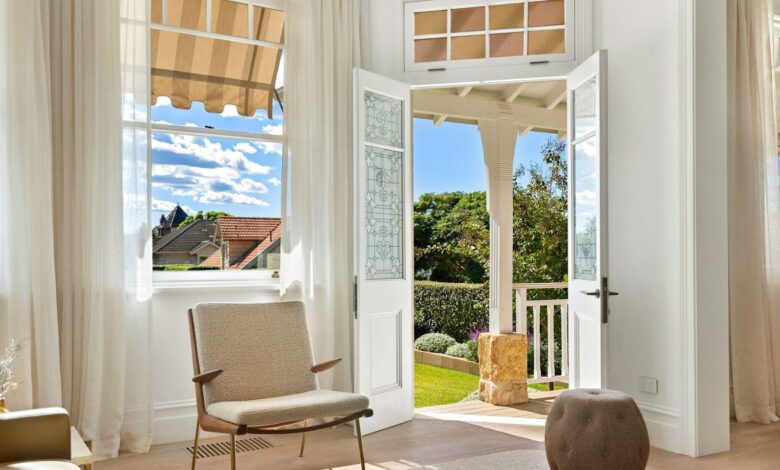
What makes an interior feel enduring rather than dated is not its ability to chase the moment, but its capacity to transcend it. Timeless design styles share a common language of proportion, restraint, material integrity, and human comfort. They evolve gently, absorbing contemporary influences without losing their essence. In an era defined by fast visuals and fleeting trends, these styles continue to ground our homes, offering continuity, emotional resonance, and long-term value.
Below, we explore the design styles that have proven their longevity across decades, cultures, and changing lifestyles, not as museum pieces but as living, adaptable frameworks for modern life.
Classic European Elegance
Classic European interiors are rooted in architecture rather than decoration. Inspired by centuries-old Parisian apartments, English townhouses, and Italian villas, this style prioritizes symmetry, proportion, and architectural detail. Moldings, paneling, fireplaces, and tall windows form the backbone of the space, allowing furnishings and finishes to play a supporting role.
What keeps this style timeless is its adaptability. While its origins are historic, it never demands strict period accuracy. Antique pieces coexist comfortably with contemporary upholstery, modern art, or pared-back lighting. Neutral palettes dominate, punctuated by patina-rich materials like aged wood, stone, and plaster. Classic European design does not shout luxury; it implies it through craftsmanship and balance. This quiet confidence is precisely why it continues to feel relevant, even as tastes evolve.
Modern Traditional
Modern traditional interiors strike a deliberate balance between heritage and now. This style respects classical forms while streamlining them for contemporary living. Traditional silhouettes are softened, color palettes are lighter, and ornamentation is edited with intention.
What distinguishes modern traditional spaces is their livability. Rooms feel polished but not precious, refined but not rigid. Upholstered furniture favors comfort, while finishes lean toward matte rather than glossy. Architectural detailing remains important, but it is often simplified, allowing the home to feel fresh rather than formal.
This style’s longevity lies in its flexibility. It provides a timeless framework that can easily absorb new art, textiles, or accents without requiring a complete overhaul. As lifestyles shift toward more casual, multifunctional living, modern traditional interiors continue to adapt without losing their core identity.
Midcentury Modern
Few design styles have maintained their cultural relevance as consistently as midcentury modern. Born from postwar optimism and technological innovation, it emphasizes clean lines, functional forms, and a strong connection between indoors and outdoors.
Midcentury modern interiors are instantly recognizable through their low profiles, organic shapes, and emphasis on natural materials like teak, walnut, and leather. Yet what makes the style enduring is not nostalgia, but its clarity. Furniture is designed with purpose, proportions are human-scaled, and ornamentation is minimal.
As contemporary design continues to value simplicity and sustainability, midcentury modern principles feel increasingly aligned with modern sensibilities. Whether incorporated through an iconic chair or an entire architectural approach, the style remains effortlessly current decades after its inception.
Scandinavian Simplicity
Scandinavian design endures because it prioritizes human well-being above aesthetics alone. Rooted in Nordic traditions of craftsmanship and necessity, this style emphasizes light, warmth, and functionality.
Interiors are defined by soft neutrals, natural wood tones, and an abundance of daylight. Furnishings are modest in scale and honest in construction. Decoration is restrained, but never cold, relying on texture, tactility, and subtle contrast to create depth.
The timelessness of Scandinavian design lies in its values rather than its visuals. It adapts easily to different cultures and climates because its core principles remain universal. Comfort, simplicity, and respect for materials never go out of style, making Scandinavian interiors as relevant today as they were decades ago.
Japandi
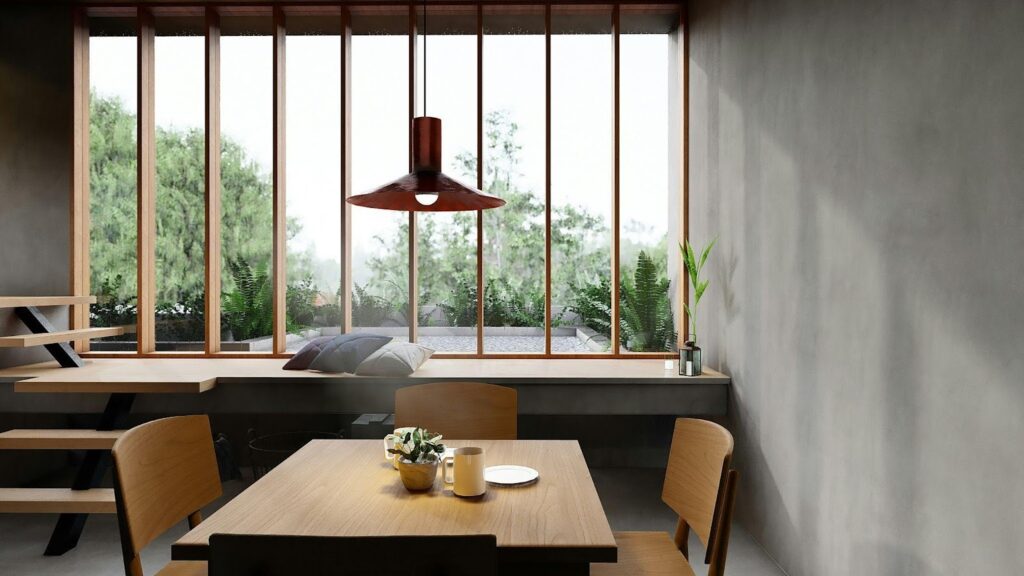
Japandi, the harmonious blend of Japanese and Scandinavian design, has moved beyond trend status into timeless territory. It merges the warmth and functionality of Nordic interiors with the restraint and philosophy of Japanese aesthetics.
This style emphasizes craftsmanship, natural materials, and negative space. Interiors are calm, intentional, and deeply connected to nature. Wood, stone, clay, and linen dominate, while color palettes remain subdued and grounding.
Japandi’s enduring appeal lies in its philosophy of mindful living. Rather than focusing on accumulation, it encourages thoughtful selection and appreciation of fewer, better objects. In a world increasingly drawn to slower, more intentional ways of living, Japandi offers a design language that feels both ancient and profoundly contemporary.
American Colonial and New Traditional
American Colonial design, particularly when interpreted through a modern lens, remains one of the most enduring residential styles. Its foundations are practicality, symmetry, and craftsmanship, shaped by early American architecture and materials.
Modern interpretations favor cleaner lines, lighter colors, and updated layouts while preserving the essence of the style. Paneled walls, simple millwork, and classic furniture forms provide structure, while contemporary textiles and art prevent the space from feeling historical.
This evolution, often referred to as New Traditional, thrives because it respects the past without being bound by it. It offers familiarity, comfort, and a sense of place, qualities that continue to resonate across generations.
Mediterranean Restraint
Mediterranean design, when approached with restraint, has a timeless quality rooted in climate, geography, and tradition. Inspired by homes in southern Italy, Spain, and Greece, this style emphasizes thick walls, organic textures, and an indoor-outdoor connection.
Plaster finishes, natural stone floors, and arched openings define the architecture, while furnishings remain simple and grounded. Color palettes draw from the landscape, favoring warm whites, earthy neutrals, and muted blues.
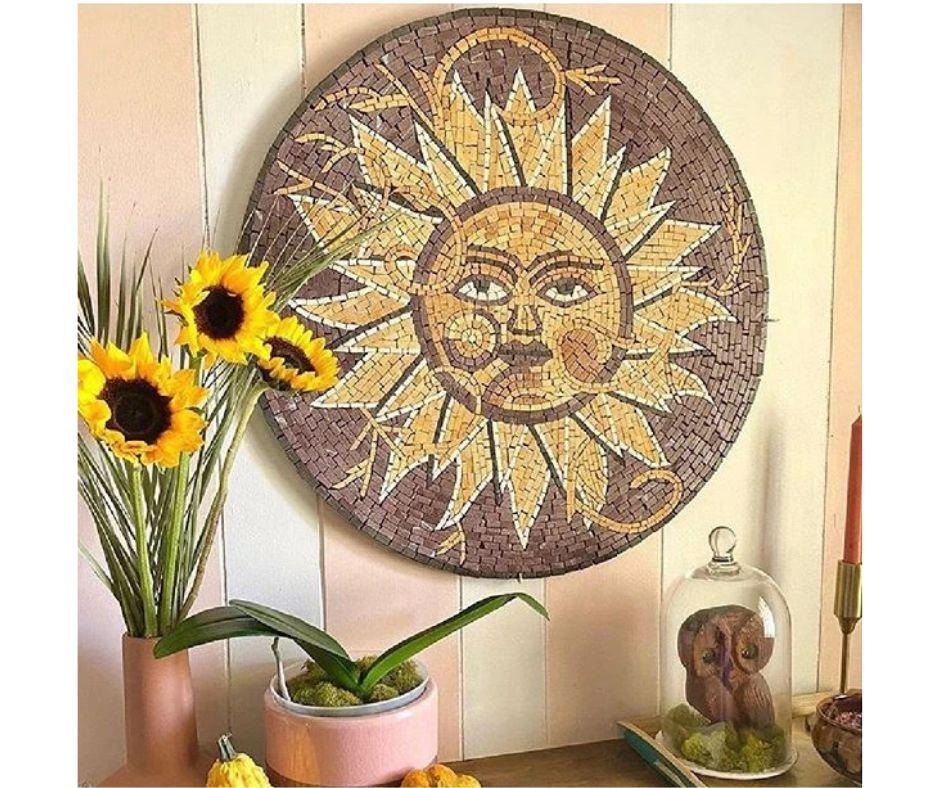
What makes Mediterranean interiors enduring is their authenticity. They respond to environment and lifestyle rather than fashion. When executed thoughtfully, even decorative elements like a custom mosaic can feel integral rather than ornamental, reinforcing the sense of permanence and place.
Quiet Luxury Minimalism
Minimalism has existed in various forms for decades, but its most timeless expression is rooted in quality rather than austerity. Quiet luxury minimalism prioritizes exceptional materials, impeccable proportions, and subtle detailing over visual impact.
Spaces are calm, edited, and intentional. Furniture is often bespoke or architecturally integrated. Surfaces are tactile, colors are nuanced, and every element serves a purpose. Rather than feeling empty, these interiors feel deeply considered.
This approach endures because it resists excess and novelty. It allows materials to age gracefully and spaces to evolve organically. In contrast to trend-driven minimalism, quiet luxury is less about absence and more about refinement.
Arts and Crafts Revival
The Arts and Crafts movement, born as a reaction against industrialization, continues to resonate in a world increasingly aware of sustainability and craftsmanship. This style celebrates handwork, natural materials, and honest construction.
Modern interpretations retain the movement’s core values while updating its visual language. Heavy ornamentation gives way to cleaner lines, but the emphasis on quality remains. Woodwork, built-ins, and thoughtful detailing define the space.
In contemporary homes, elements like handcrafted mosaic wall art can echo the Arts and Crafts ethos, serving as a reminder that beauty and integrity are inseparable. The style’s moral foundation, valuing labor and longevity, ensures its relevance well beyond aesthetic cycles.
Transitional Design
Transitional design often goes unnoticed because it avoids extremes, yet this is precisely why it endures. Sitting comfortably between traditional and contemporary, it blends classic forms with modern simplicity.
Furniture silhouettes are familiar but streamlined. Color palettes remain neutral, allowing texture and proportion to take center stage. Architectural details are present but understated.
This style’s longevity comes from its adaptability. It offers a neutral foundation that evolves easily, accommodating changes in taste, technology, and lifestyle. Transitional interiors feel current without being tied to a specific era, making them one of the most enduring choices in residential design.