Why Natural Shower Gels Are Replacing Conventional Body Wash
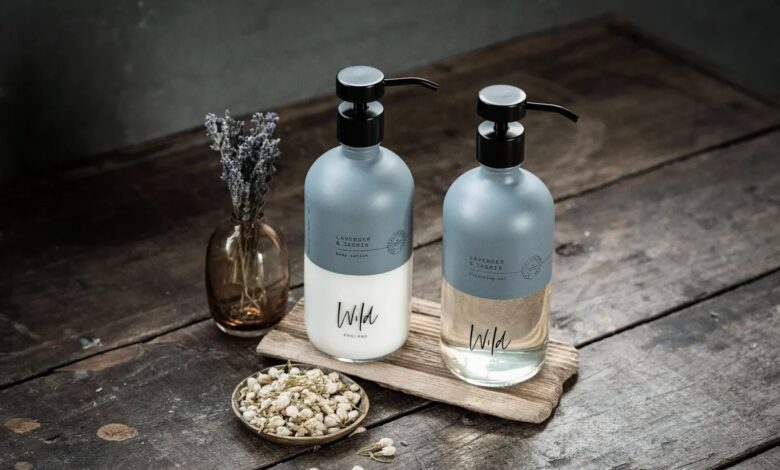
Across the UK, consumer expectations around everyday hygiene products are changing fast. What was once a category dominated by aggressively fragranced, surfactant-heavy liquids is now being scrutinised through the lenses of dermatological safety, environmental impact, and long-term sustainability. Conventional body washes, typically formulated with sulphates, synthetic preservatives, and petrochemical-derived fragrances, are increasingly associated with skin barrier disruption, cumulative irritation, and unnecessary ecological harm.
This shift is structural. The rise of natural body care and sustainable personal care reflects a broader reassessment of what “clean” actually means. Natural shower gels by Wild England, for example, are replacing body washes because they align functionality with responsibility, cleansing the skin effectively without externalising costs to ecosystems or human health.
What Makes a Shower Gel Truly Natural
The term “natural” is frequently misused in personal care marketing. From a technical standpoint, a genuinely natural shower gel is defined not by aesthetics or vague claims, but by formulation architecture, sourcing transparency, and biodegradability metrics.
Ingredients That Matter for Skin and Planet
A high-integrity natural shower gel relies on plant-derived surfactants (such as glucosides), cold-pressed botanical oils, and essential oils with documented aromatherapeutic properties. These components cleanse without stripping the stratum corneum, preserving the skin’s lipid matrix and microbiome balance. Crucially, a biodegradable formula ensures that rinse-off products do not persist in aquatic systems or accumulate as micro-pollutants.
Equally important is what is excluded: no sulphates, parabens, synthetic colourants, or silicone-based conditioning agents. This ingredient discipline places natural shower gels firmly within the domain of ethical skincare, vegan shower gel, and plant-based cosmetics, where performance is achieved through chemistry that cooperates with biology rather than overriding it.
The Environmental Cost of Conventional Shower Products
Traditional shower products are environmentally inefficient by design. Single-use plastic bottles, opaque supply chains, and short product lifecycles generate avoidable waste at scale. In the UK alone, billions of plastic toiletry containers enter circulation annually, many of which are not recycled due to composite materials or contamination.
Beyond packaging, the environmental footprint extends to formulation runoff. Non-biodegradable surfactants and synthetic fragrance compounds place stress on wastewater treatment systems and downstream ecosystems. From a systems perspective, conventional body washes are incompatible with a zero waste bathroom or any serious commitment to plastic-free toiletries.
How Wild England Designs Eco-Friendly Shower Gels
Brands such as wildengland demonstrate how product design can resolve these structural flaws rather than merely mitigate them. Their approach treats sustainability as an engineering constraint, not a marketing add-on. British-made production allows for short supply chains, regulatory oversight, and consistent quality control – a core advantage of a UK brand committed to local production.
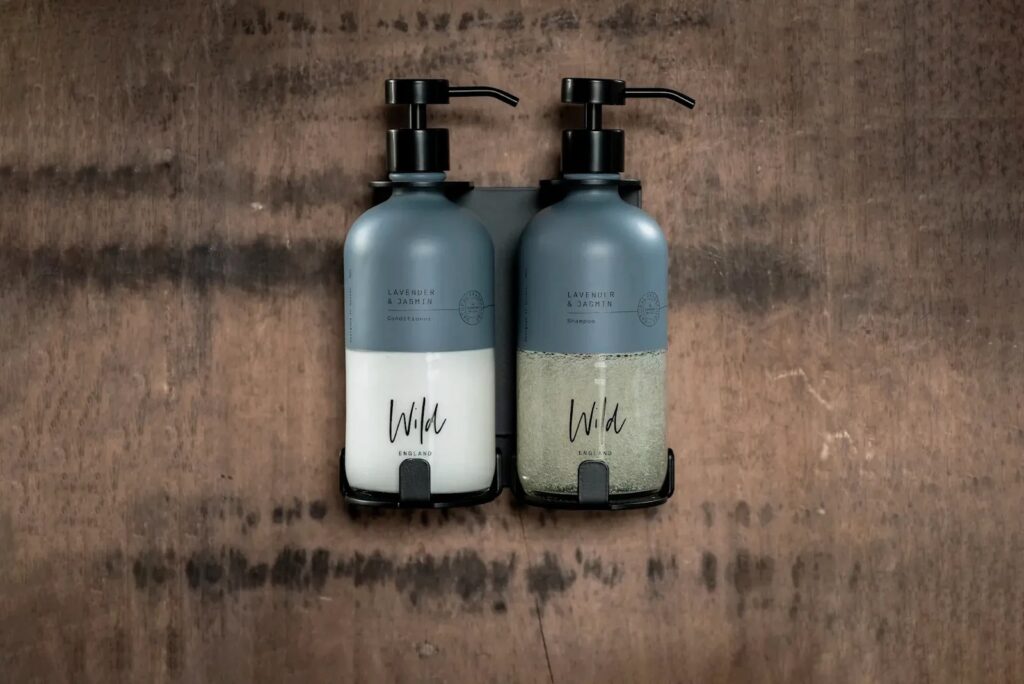
A defining feature of this model is material permanence. Durable refill bottles, paired with low-impact refills, drastically reduce plastic throughput while elevating the user experience. This design-led strategy integrates seamlessly into both domestic bathrooms and commercial interiors, aligning sustainable design with visual coherence.
Refill Systems and Long-Term Use
Refill infrastructure is not simply about waste reduction; it changes consumption behaviour. By lowering the cost per use and normalising replenishment, refill systems encourage long-term product relationships rather than disposability. This is the practical foundation of a refill culture – one that reframes hygiene products as durable assets rather than transient consumables.
The functional advantages of this model can be summarised succinctly:
- Reduced plastic waste through refillable bottles and recyclable refill packs
- Lower environmental impact via biodegradable formulations and sustainable packaging
- Improved skin tolerance through natural ingredients and essential oils
- Cost efficiency over time, particularly in high-use households and hospitality settings
- Aesthetic consistency suited to homes, hotels, and spas alike
Crucially, these benefits are cumulative. Each refill compounds both ecological and financial returns, making refill toiletries a rational choice rather than an ideological one.
How to Choose the Right Natural Shower Gel
For consumers navigating the crowded eco-friendly toiletries market, discernment is essential. Ingredient lists should be fully disclosed, with allergens clearly identified and sourcing explained. Certifications for vegan and cruelty-free status provide baseline ethical assurance, while origin labelling, such as handcrafted in the UK or made in Britain, offers insight into production standards.
Scent profiles also matter. Natural fragrances derived from essential oils not only avoid synthetic irritants but also deliver measurable wellbeing benefits. Collections inspired by the British landscape, Lavender & Eucalyptus, Sweet Orange & Cardamom, Orchard, Hedgerow, Woodland, connect sensory experience with place, reinforcing the link between personal care and environmental awareness.
For businesses, particularly in hospitality, refillable systems offer an additional layer of value. Sustainable hotel toiletries, refill hotel amenities, and B2B starter packs reduce waste management costs while maintaining a premium, design-conscious aesthetic expected by modern guests.
Conclusion: Everyday Hygiene Without Compromise
Natural shower gels are replacing conventional body washes because they solve multiple problems simultaneously. British-made quality ensures ethical production and rigorous standards. Sustainability is embedded through refillable bottles, recyclable materials, and zero-waste packaging. Natural ingredients protect both skin and ecosystems, while vegan and cruelty-free certification reflects modern ethical expectations.
Distinctive British scent collections, transparent sourcing, and design-led packaging demonstrate that sustainability does not require aesthetic or functional compromise. For households and businesses alike, refill systems deliver long-term economy and tangible waste reduction, supporting a broader commitment to circular living.
If you are ready to transition towards sustainable personal care that is technically sound, aesthetically refined, and genuinely responsible, explore the refillable shower gel range from Wild England and take a practical step towards conscious consumption today.