New Ford truck winter performance guide
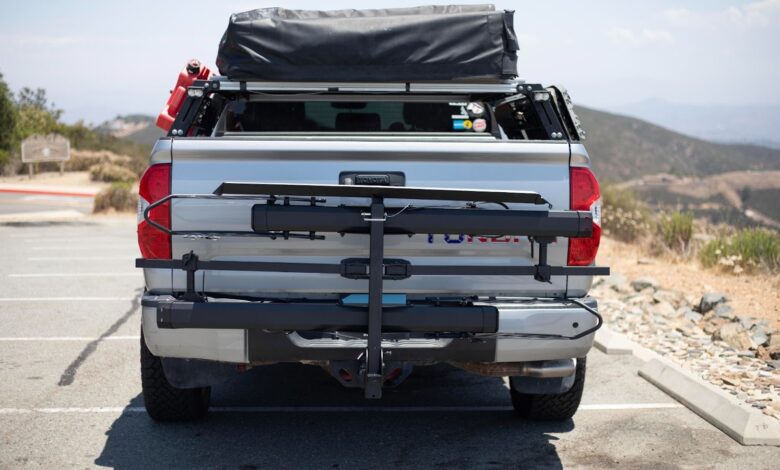
Winter driving presents unique challenges for truck owners, including slippery roads, freezing temperatures, and reduced visibility. Understanding how to maximize performance in these conditions is essential for safety, efficiency, and vehicle longevity. New Ford trucks come equipped with advanced features and engineering designed to handle harsh winter environments. Buyers exploring options can find New ford trucks for sale that offer enhanced traction, stability, and reliability for winter driving. This guide provides practical insights on winter performance, preparation tips, key features, and maintenance practices to ensure your Ford truck performs optimally in cold weather conditions.
Understanding Winter Driving Challenges
Winter driving hazards include snow, ice, sleet, and freezing rain, all of which reduce tire traction and vehicle control. Cold temperatures can affect engine performance, battery efficiency, and fluid viscosity, making routine driving more demanding. Visibility may also be compromised due to fog, frost, and snow buildup on windshields and mirrors. Recognizing these challenges allows Ford truck owners to take preventive measures, prepare their vehicle for winter, and adapt their driving habits to maintain safety.
Four-Wheel Drive and All-Wheel Drive Systems
New Ford trucks often feature four-wheel drive (4WD) or all-wheel drive (AWD) systems that improve traction on slippery surfaces. 4WD provides power to all four wheels simultaneously, enhancing grip in deep snow or off-road conditions. AWD continuously monitors wheel slip and adjusts power distribution to optimize stability. Models like the Ford F-150, Ranger, and Super Duty trucks include advanced 4WD or AWD technology, allowing drivers to navigate icy roads and snowy terrain with greater confidence.
Traction Control and Stability Systems
Traction control systems (TCS) prevent wheel spin on low-traction surfaces by adjusting engine output or applying brakes to specific wheels. Stability control systems help maintain vehicle direction during skids or sudden maneuvers. Both systems are standard in most new Ford trucks and play a critical role in winter safety. Drivers should understand how these features operate and avoid disabling them, as they significantly improve handling and reduce the likelihood of accidents on icy or wet roads.
Winter Tires and Tire Maintenance
Tire performance is crucial in winter conditions. Winter tires feature specialized tread patterns and rubber compounds designed to maintain flexibility in cold temperatures, providing better traction on ice and snow. Ford truck owners should consider installing winter tires for regions with prolonged snowy or icy conditions. Additionally, maintaining proper tire pressure is essential, as cold weather can cause tire pressure to drop, reducing grip and stability. Regularly inspecting tire tread depth ensures optimal performance and safety during winter driving.
Battery and Cold-Weather Performance
Cold temperatures can significantly impact battery efficiency and starting power. New Ford trucks come equipped with robust batteries, but extreme cold can still affect performance. Owners should check battery health before winter, ensure terminals are clean, and consider using a battery maintainer or warmer in extremely cold climates. Regular inspections and timely replacements help prevent unexpected failures, ensuring reliable starts in freezing temperatures.
Engine and Fluid Considerations
Engine oil, transmission fluid, and coolant can thicken in cold weather, reducing efficiency and responsiveness. Using manufacturer-recommended winter-grade fluids ensures smooth operation and prevents engine stress. Engine block heaters can be useful in extremely cold regions, allowing easier starts and reducing wear. Ford trucks are designed to handle a range of temperatures, but proactive maintenance and using appropriate fluids maximize performance during winter months.
Cold-Weather Visibility
Maintaining clear visibility is critical for safe winter driving. New Ford trucks often include features such as heated mirrors, windshield wiper de-icers, and advanced headlight systems. Owners should ensure wiper blades are in good condition, washer fluid is rated for freezing temperatures, and headlights are properly aligned. Keeping windows, mirrors, and lights clear of snow and ice improves reaction time and overall safety.
4WD and AWD Driving Techniques
Driving with 4WD or AWD requires understanding their limitations. In deep snow, low-traction, or icy conditions, moderate acceleration and steady speed are more effective than sudden throttle inputs. Braking should be gradual to avoid skidding, and turning should be smooth and controlled. Learning how to engage and disengage 4WD or AWD modes properly enhances vehicle control and reduces the risk of getting stuck or losing traction.
Winter Towing and Payload Considerations
Winter conditions affect towing performance and payload handling. Snow and ice reduce tire traction, making it essential to adjust towing speed and maintain safe stopping distances. Load distribution should be even, and weight should not exceed manufacturer recommendations. Ford trucks with trailer sway control, integrated brake controllers, and advanced towing packages provide enhanced stability, helping drivers manage winter towing safely.
Pre-Trip Preparation for Winter Driving
Before heading out in winter conditions, truck owners should conduct pre-trip checks. Ensure all fluids are at proper levels, tires are adequately inflated, battery is healthy, lights and wipers are functional, and emergency supplies such as blankets, ice scrapers, and a first-aid kit are on board. Planning routes to avoid hazardous roads, monitoring weather forecasts, and informing others of travel plans further enhance safety during winter trips.
Using Technology to Enhance Winter Safety
Modern Ford trucks include driver-assistance features that support winter driving. Blind-spot monitoring, rear cross-traffic alert, and adaptive cruise control help maintain awareness in challenging conditions. Some trucks also offer hill descent control, trailer sway control, and electronic locking differentials, providing additional confidence on slippery inclines or declines. Leveraging these technologies allows drivers to navigate winter conditions more effectively while maintaining control and safety.
Maintenance Tips for Winter Longevity
Routine maintenance during winter helps ensure reliable performance and prevents long-term damage. Regularly inspect brakes, suspension components, and drivetrain parts for wear or damage. Clean undercarriage and wheel wells to remove salt or debris that can cause corrosion. Keeping the fuel tank at least half full helps prevent fuel line freeze, and using proper lubricants reduces wear on moving parts. Auburn dealerships can provide professional inspections, maintenance services, and winterization advice tailored to each Ford truck model.
Conclusion
Winter driving requires preparation, knowledge, and the right equipment to ensure safety and performance. New Ford trucks are engineered to handle cold temperatures, snow, and ice with features such as 4WD/AWD systems, traction and stability controls, advanced lighting, and heated components. Proper maintenance, winter tires, battery care, fluid checks, and awareness of winter driving techniques further enhance performance and reliability.