How London’s After-Hours Culture Influences Modern Urban Lifestyles
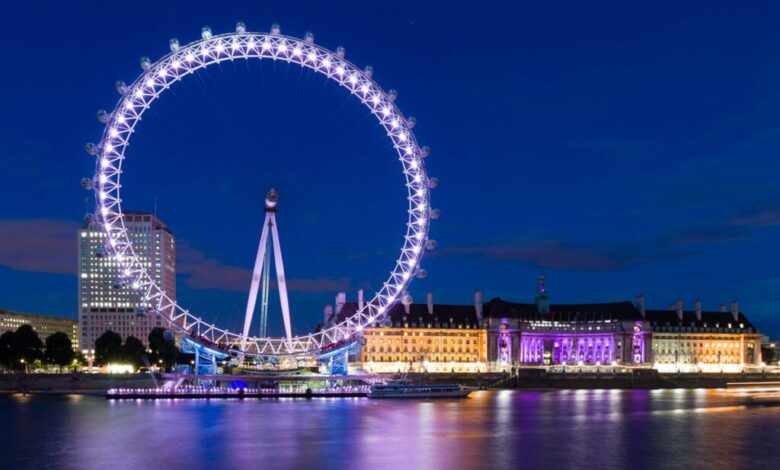
London feels different once the sun slips away. Not louder exactly. Just more honest. The city stops performing and starts breathing. It’s all in the little details. Lit offices emptying out, and people walking much slower compared to 09.00am when they’re all in a hurry and stuff. No one ever stays long enough to actually see these things, but really it’s where the culture actually lives. The city is its people after all.
London After Dark Feels More Human Than Polished
A lot of people think London’s after-hours culture is about excess. Flash, noise, showing off. That exists, sure. But it’s not the full picture. What really defines the city at night is how many different worlds overlap without trying too hard. A late dinner table next to a couple on a first date. A quiet drink turning into an unexpected catch-up. Someone dressed for something important, someone else dressed like they didn’t plan to stay out but did anyway.
Mayfair and the Art of a Controlled Night Out
Certain areas capture this better than others. Mayfair is a good example, not because it’s loud, but because it’s deliberate. The streets stay calm even when everything else is happening behind doors. People move like they’ve got somewhere to be, even when they appear chilled out. There’s a reason Mayfair nightlife has become shorthand for a certain standard of night out.
How Nightlife Quietly Shapes Fashion Choices
What’s interesting is how this spills into everyday life. Fashion choices start to shift. You see it in tailoring that feels less rigid, shoes that look polished but worn in, coats thrown over shoulders instead of worn properly. The city teaches you how to dress for movement, for the possibility of staying out longer than planned. Even people who swear they don’t care about style somehow absorb it.
Why People Talk Differently Once the City Slows Down
Then there’s the social side. Londoners talk differently at night. Less transactional. Fewer agendas, even in business-heavy circles. Conversations stretch. They circle back on themselves. You learn more about someone in a late evening chat than you might in three daytime meetings. That’s why so many relationships, personal and professional, quietly form after hours. Not because anyone planned it that way.
Music as Atmosphere, Not the Main Event
Music plays a role too, but often in the background. Not the headline act, just a pulse. You hear it leaking out of places, from cars stopped too long at lights, from open windows above restaurants. Sometimes you hear it faintly. A beat here, a note there. Makes the streets feel… alive, I guess.
Late-Night Dining
People eat late. Share a few plates. Grab that extra bite even if they’re full. It just happens, somehow. It keeps people seated, talking, present. Some of the best conversations happen when no one is checking the time anymore.
How After-Hours Culture Influences Daytime London
What’s easy to miss is how all of this shapes London during the day too. The confidence. The restraint. The way people know when to lean in and when to step back. After-dark culture trains that instinct. It teaches social awareness, pacing, reading a room.
London nights are about understanding the city as deeply as can be. Seeing how different lives brush past each other without friction. How elegance doesn’t need noise. How energy doesn’t need chaos. Once you’ve felt that rhythm, you start carrying it with you. Into how you dress. How you speak. How you move through the city, even at noon.
That’s the quiet influence of London after hours. Subtle. Unadvertised. And once you notice it, hard to forget.