The ‘Commuter’s Guilt’: What Happens to a Dog’s Bladder After 10 Hours?
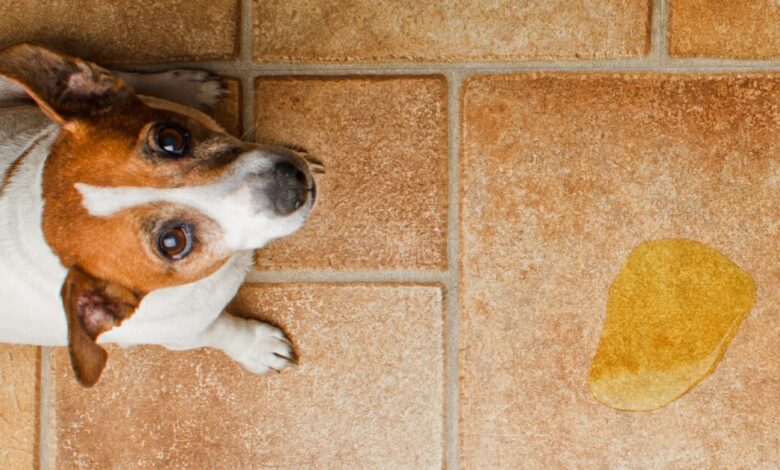
It is a familiar story for anyone living in the commuter belt. You leave your house in Summit or Cherry Hill at 7:00 AM to catch the train. You work a full day. Then, there is a delay at Penn Station, or traffic is backed up at the bridge. By the time you unlock your front door, it is 7:00 PM.
Your dog greets you with a wagging tail. They haven’t had an accident. They seem fine. You think, “Wow, he has a bladder of steel.”
But while we celebrate our dogs’ ability to “hold it,” we rarely consider the physiological cost of asking them to do so. In the tug-of-war between modern corporate logistics and canine biology, biology is losing. Understanding the anatomy of the urinary tract reveals that a 12-hour hold isn’t just uncomfortable; it is a slow-motion health crisis.
The Physics of the Stretch
The canine bladder is a muscular sac lined with specialized sensors called “stretch receptors.” As the bladder fills with urine, the walls expand. When they reach a certain point of tension, these receptors send a signal to the brain: It’s time to go.
In a natural setting, a dog would relieve themselves immediately. This flushes the system.
However, a house-trained dog is conditioned to ignore this signal. They engage the sphincter muscles to override the urge. When a dog holds their urine for 10 or 12 hours, the bladder is stretched beyond its comfortable physiological limit.
Over time, chronic over-distension can weaken the detrusor muscle—the muscle responsible for squeezing the bladder empty. A weakened muscle means the bladder may not empty completely when the dog finally does go outside. This leads to “urinary stasis,” where a pool of urine always remains in the bladder.
The Bacterial Breeding Ground
Urine is not sterile. It contains waste products, and the urethra is a gateway for bacteria.
One of the body’s primary defense mechanisms against Urinary Tract Infections (UTIs) is the “washout effect.” The frequent flow of urine flushes bacteria out of the urethra before they can climb up into the bladder.
When a dog holds their urine for 10 hours, that flushing mechanism is paused. Bacteria have an open window to migrate upward and colonize the stagnant pool in the bladder. The longer the urine sits, the more concentrated it becomes. Highly concentrated urine can irritate the bladder lining, making it even more susceptible to infection.
The Stone Factory
Beyond bacteria, there is chemistry.
Urine contains minerals like magnesium, ammonium, and phosphate. When urine sits in the bladder for extended periods, it becomes supersaturated. These minerals can begin to crystallize, forming microscopic grit.
Over time, this grit clumps together to form bladder stones (uroliths). These stones are painful. They can block the urethra, requiring emergency surgery. While diet plays a major role in stone formation, “urinary retention”—simply not peeing often enough—is a significant contributing factor. By forcing a dog to hold it all day, we are essentially giving these crystals time to settle and grow.
The Mental Toll: “Waiting Mode”
Finally, there is the psychological impact.
We often assume that while we are at work, our dogs are sleeping peacefully. But for many dogs, they aren’t relaxing; they are waiting.
Behaviorists differentiate between “rest” and “passive waiting.” A dog that needs to urinate cannot enter deep, restorative REM sleep. They are in a state of low-level physical stress. They are pacing. They are hyper-aware of the pressure in their abdomen.
This physical discomfort manifests as anxiety. The “happy dance” you see when you get home is often a mix of affection and desperate physical relief. The frantic rush to the backyard isn’t just excitement; it’s an emergency.
The Solution: Breaking the Block
The solution doesn’t necessarily mean quitting your job. It means recognizing that the 12-hour day is incompatible with mammalian biology.
If a midday return trip isn’t possible, this is where professional care bridges the gap. The goal isn’t just “exercise”; the goal is a “bio-break.”
Utilizing a dog walker or a daycare facility ensures that the bladder is emptied every 4 to 6 hours. This keeps the bacteria flushed, prevents the bladder walls from over-stretching, and allows the dog to actually relax during the downtime.
Conclusion
We often project our own stamina onto our pets. Because we can hold it through a long meeting, we assume they can hold it through a long shift. But a dog has no choice in the matter. They are prisoners of our schedule.
As responsible owners, we have to advocate for their internal organs as much as we advocate for their happiness. Ensuring your dog has a midday release valve is the cheapest insurance policy against a lifetime of vet bills. Whether it’s a trusted neighbor or a professional pet resort new jersey commuters rely on, finding a way to break up the day ensures that when you finally walk through the door, your dog is greeting you out of love, not out of desperation.