Kilkee Benches Replaced Plastic: Seaside Town Changed Its Iconic Seats
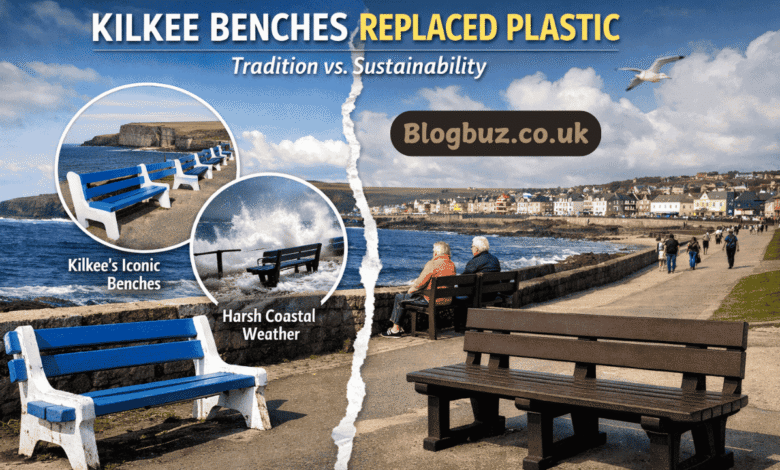
In recent years, a quiet yet symbolic change along Kilkee’s seafront, a popular coastal town in County Clare, has sparked lively debate. The Kilkee benches replaced plastic has begun circulating online and in local discussions, refers to the decision to remove the town’s traditional blue-and-white wooden benches and install new benches made from recycled plastic. At first glance, replacing public seating may seem like a minor municipal upgrade. Yet for many residents and visitors, these benches were more than functional furniture. They were part of Kilkee’s visual identity, embedded in memories of summer walks, sea air, family holidays, and community gatherings. This article explores what happened, why the change occurred, and what it means for Kilkee’s future, balancing heritage, sustainability, and practical realities.
The Role of the Old Benches in Kilkee’s Identity
For decades, Kilkee’s wooden benches lined the promenade overlooking the Atlantic Ocean. Painted in distinctive shades of blue and white, they complemented the seaside scenery and echoed traditional Irish coastal design.
Tourists often photographed them with the cliffs and ocean as a backdrop. Locals used them daily—elderly residents resting during walks, teenagers gathering after school, and families watching children play along the shore. Over time, these benches became visual landmarks as recognizable as the beach itself.
Because of this emotional and cultural attachment, the change to plastic seating felt personal to many. When people speak about kilkee benches replaced plastic, they are often expressing concern about more than materials—they are reflecting on the preservation of character and tradition.
Why the Benches Were Replaced
Coastal Weather Damage
Kilkee faces the full force of Atlantic weather: strong winds, heavy rain, salt spray, and seasonal storms. Wooden benches, while charming, deteriorate rapidly in such conditions.
Salt accelerates corrosion in metal fixtures and causes timber to crack, warp, and rot. Over time, maintenance becomes more frequent and costly, and damaged benches can pose safety risks such as splinters or weakened supports.
Safety Concerns
Local authorities cited structural degradation as one of the main reasons for the replacement. Some benches reportedly became unstable, increasing the risk of injury for users.
Public seating must meet safety standards, and repeatedly repairing old wooden benches can become less effective than replacing them entirely with more durable alternatives.
Maintenance and Cost Efficiency
Wooden benches require:
- Regular sanding
- Repainting
- Replacement of rotting parts
- Anti-corrosion treatment for metal fittings
Recycled plastic benches, in contrast:
- Do not rot
- Do not require painting
- Resist moisture and insects
- Retain their structure for decades
From a budgetary perspective, councils often find plastic benches cheaper over their full lifespan, even if the initial purchase price is higher.
What Are Recycled Plastic Benches?
The new benches installed in Kilkee are typically manufactured from post-consumer plastic waste, such as bottles and packaging. This plastic is cleaned, melted, and molded into planks that resemble wood in shape but differ significantly in performance.
Key characteristics:
- Resistant to water and salt
- UV-stable (less fading)
- Splinter-free
- Heavy and difficult to vandalize
- Low maintenance
From an environmental standpoint, recycled plastic seating helps reduce landfill waste and supports circular economy initiatives.
Thus, the move fits into broader sustainability strategies being adopted by councils across Ireland and Europe.
Community Reaction: Support and Opposition
The change quickly divided opinion.
Supporters argue that:
- The old benches were unsafe and worn out.
- Recycled plastic is environmentally responsible.
- Public funds should be spent efficiently.
- Function should take priority over nostalgia.
They see the replacement as a sensible modernization that ensures the promenade’s long-term usability.
Critics argue that:
- The brown plastic benches clash with the traditional seaside aesthetic.
- Kilkee’s visual charm has been diluted.
- The community was not sufficiently consulted.
- Cultural heritage should be protected even in small details.
Some residents described the new benches as “generic” or “soulless,” believing they removed part of what made Kilkee unique.
This emotional divide explains why the phrase “kilkee benches replaced plastic” has become a recurring search term—it represents a local issue that touches on broader themes of identity, modernization, and environmental policy.
Tourism and Visual Branding Concerns
Kilkee relies heavily on tourism, especially during the summer months. Visitors are drawn not only by the beach but also by the town’s traditional coastal character.
For tourism-dependent towns:
- Small visual elements contribute to branding
- Consistent design builds a recognizable atmosphere
- Heritage aesthetics enhance visitor experience
Some business owners expressed concern that replacing wooden benches with modern plastic ones could make the promenade look like any other town, thereby reducing its uniqueness.
However, others argue that visitors care more about cleanliness, comfort, and safety than bench materials.
Sustainability vs. Heritage: A Common Dilemma
The debate around kilkee benches replaced plastic is not unique. Across Europe, towns face similar choices:
- Preserve traditional materials
- Or adopt modern sustainable alternatives
This dilemma reflects a larger societal question:
How do we protect heritage while adapting to climate change, environmental responsibility, and budget limitations?
Wood is natural and traditional but short-lived in harsh climates. Plastic is durable and recyclable, but often perceived as visually inferior.
Some towns attempt compromise by using composite materials that mimic wood grain or commissioning custom designs that preserve historical color schemes.
In Kilkee’s case, critics argue that more effort could have been made to retain the iconic blue-and-white appearance, even if plastic was used.
Possible Alternatives That Were Suggested
Residents and design advocates proposed several options:
- Plastic benches painted in traditional colors
- Composite wood-plastic materials with natural texture
- Steel-framed benches with wooden seats treated for marine environments
- Phased replacement with community input
- Heritage zone seating using classic designs along key sections of the promenade
While these ideas may still be considered in future upgrades, the initial rollout of standard brown plastic benches became the focal point of criticism.
What This Means for Kilkee Going Forward
The controversy has sparked broader discussion within the town about:
- Public consultation processes
- Urban design standards
- Heritage protection
- Environmental responsibility
Local councils increasingly balance:
- Safety regulations
- Financial constraints
- Sustainability targets
- Community sentiment
The benches are now in place, but the conversation continues. Future upgrades to lighting, paving, railings, or signage may be approached with greater community involvement as a result of this experience.
Lessons Other Towns Can Learn
The story behind the Kilkee benches replaced plastic offers useful lessons:
- Communicate early: Explaining decisions before changes occur reduces backlash.
- Involve residents: Public surveys or mockups can improve acceptance.
- Respect aesthetics: Design matters in tourist destinations.
- Balance values: Sustainability and heritage should complement each other, not compete.
Even small infrastructure decisions can carry symbolic weight.
Conclusion
The Kilkee benches replaced plastic, have come to represent far more than a change in street furniture. It reflects a crossroads between tradition and modernization, between visual heritage and environmental responsibility.