NovaFork: Streaming Platform, Open-Source Project, Features, and Safety
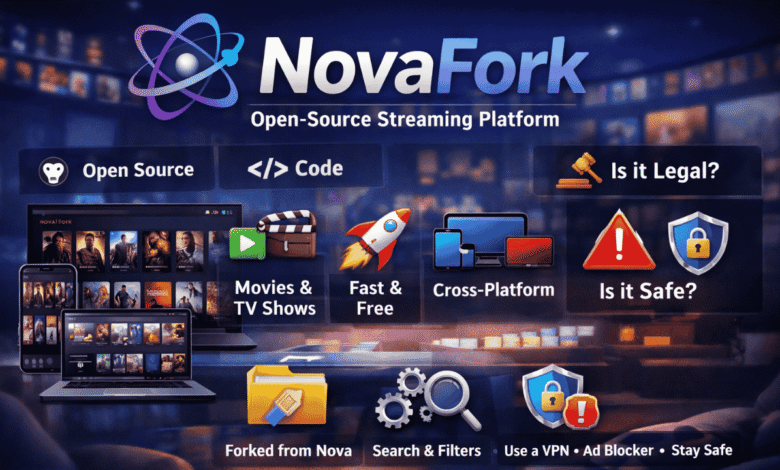
NovaFork is a name that has been gaining attention across developer communities, streaming enthusiasts, and tech forums. Often associated with modern movie and TV streaming platforms and their open-source codebases, NovaFork is a forked project that offers a fast, lightweight, and user-friendly entertainment experience. In this in-depth guide, we will explore what NovaFork is, how it works, its features, technical background, legal and safety considerations, and frequently asked questions. Whether you are a curious user, a developer, or a website researcher, this article will give you a complete understanding of the NovaFork ecosystem.
What Is NovaFork?
NovaFork is best known as:
- A web-based movie and TV streaming platform, and
- An open-source project forked from another streaming application called “Nova.”
The name “NovaFork” literally refers to forking an existing open-source project and developing it independently, making modifications, improvements, or customizations.
In simple terms:
NovaFork is a forked streaming web application that lets users browse and watch movies and TV shows through an easy-to-use interface.
The project became popular for its clean design, performance, accessibility, and availability as open-source software.
The History and Origin of NovaFork
NovaFork originated from an earlier project named Nova, an open-source streaming web application developed to aggregate video sources and present them in a modern interface.
Developers later created NovaFork by copying (forking) the original codebase and modifying it to suit their own goals, such as:
- Improving performance
- Adding UI enhancements
- Adjusting provider handling
- Experimenting with features
- Hosting the platform independently
This approach is common in open-source development and allows innovation to move quickly without changing the original project.
Eventually, both the original Nova project and the NovaFork repository were archived, but the platform remains widely referenced in streaming communities and indexing sites.
How NovaFork Works
NovaFork operates as a front-end streaming aggregator. Instead of hosting video files itself, the platform typically:
- Pulls metadata for movies and TV shows (titles, posters, descriptions).
- Connects to third-party video sources or streaming providers.
- Embeds or streams content directly in the browser.
- Presents everything through a modern web interface.
Typical Workflow
- User visits the NovaFork website
- Searches for a movie or TV show
- Selects an episode or title
- The platform fetches available streams
- The video plays in an embedded player
This structure allows the platform to remain lightweight while offering access to a large library of content.
Main Features of NovaFork
NovaFork became popular largely because of its feature set. Some of the most notable capabilities include:
Clean and Modern Interface
The UI is designed to resemble professional streaming platforms with:
- Grid-based browsing
- Poster thumbnails
- Dark mode styling
- Smooth navigation
Large Content Library
Users can browse:
- Movies (new and classic)
- TV shows
- Multiple genres
- Trending titles
Fast Performance
Because NovaFork is lightweight and optimized, pages load quickly even on slower devices.
Cross-Platform Support
NovaFork works on:
- Desktop browsers
- Mobile browsers
- Tablets
- Smart TV browsers (limited)
Open-Source Codebase
Developers can:
- Study the source code
- Deploy their own versions
- Customize features
- Learn modern web-app architecture
Search and Filtering
Advanced search features include:
- Keyword search
- Genre filters
- Release year sorting
- TV series season navigation
Why NovaFork Became Popular
Multiple factors played a role in the swift ascent of NovaFork:
- Free access to streaming content
- No account required on most versions
- Simple design
- Developer transparency through open source
- Community sharing on Reddit and tech forums
For developers, NovaFork was also attractive as a learning resource for:
- API integration
- Video embedding
- UI frameworks
- Streaming optimization
Is NovaFork Legal?
This is an important and commonly asked question.
The short answer:
It depends on how it is used and deployed.
NovaFork itself is a piece of software. Software is legal.
However:
- Many public NovaFork websites aggregate or embed copyrighted content.
- If streams are provided without permission from copyright holders, this may violate copyright laws in many countries.
Legal considerations:
- The open-source code is legal to use and study.
- Hosting copyrighted content without licensing is often illegal.
- Laws vary by country.
If you are a user, you should understand your local laws before accessing any streaming website.
If you are a developer, ensure that any deployed version of NovaFork uses only legally licensed or self-hosted content.
Is NovaFork Safe to Use?
Safety depends heavily on the specific website using the NovaFork codebase.
Potential risks include:
- Pop-up ads
- Malicious redirects
- Tracking scripts
- Fake download buttons
- Malware on third-party hosts
Safety tips:
- Use a reputable ad blocker
- Avoid clicking suspicious buttons
- Never download unknown files
- Do not provide personal information
- Use a VPN if privacy is a concern
The open-source code itself is not malicious, but public deployments may include unsafe modifications or advertising networks.
NovaFork for Developers
NovaFork has also gained interest in developer communities.
What developers like about it:
- Modern JavaScript stack
- Clean UI architecture
- Streaming provider abstraction
- API integration patterns
- Modular design
Developers often use NovaFork as:
- A learning project
- A base template
- A research reference
- A self-hosted entertainment dashboard (with legal content)
Differences Between Nova and NovaFork
| Original project | Yes | No |
| Forked version | No | Yes |
| Independent development | Limited | Yes |
| Community modifications | Moderate | Higher |
| Repository status | Archived | Archived |
NovaFork essentially represents an independent branch of development built on top of Nova’s foundation.
SEO Perspective: Why NovaFork Is a Growing Keyword
From an SEO standpoint, “Novafor has become searchable because:
- People look for streaming alternatives
- Developers search for the GitHub project
- Users encounter the platform on social media
- Tech blogs reference the project
- Directory websites list the domain
Search intent categories:
- Informational: “What is NovaFork?”
- Navigational: “NovaFork website”
- Technical: “NovaFork GitHub”
- Safety: “Is NovaFork safe?”
- Legal: “Is NovaFork legal?”
This mix makes the keyword valuable for content creators and technology blogs
Common Use Cases of NovaFork
- Watching movies online
- Streaming TV shows
- Learning web development
- Testing streaming interfaces
- Running a private media dashboard
- UI/UX experiments
Frequently Asked Questions (FAQ)
What is NovaFork used for?
NovaFork is used as a web-based streaming platform and as an open-source project for building streaming websites.
Is NovaFork free?
Yes, most public versions are free to access.
Is NovaFork open source?
Yes, the original codebase was publicly available on GitHub.
Can I host my own NovaFork site?
Technically, yes, but you must ensure all content is legally licensed.
Is NovaFork still active?
The original repositories have been archived, but clones and deployments still exist.
Does NovaFork require an account?
Most versions do not require registration.
Is NovaFork safe for children?
No. Content and ads are uncontrolled. Parental supervision is strongly recommended.
Advantages and Disadvantages
Advantages
- Free access
- Simple interface
- Fast performance
- Open-source learning resource
- No sign-up required
Disadvantages
- Legal uncertainty
- Ads and pop-ups on some sites
- Inconsistent availability
- Safety risks from third-party streams
- No official support
Final Thoughts on NovaFork
NovaFork stands as an interesting example of how open-source software, streaming technology, and online communities intersect. On the technical side, it demonstrates how a lightweight, modern web application can aggregate content, deliver smooth user experiences, and serve as a valuable learning resource for developers. On the user side, it offers convenience and accessibility that many people find appealing.
You May Also Read: Top Streaming Technology Trends: What Audiences Should Know in 2025