Tarnplanen: Camouflage Tarps for Outdoor, Tactical, and Survival Use
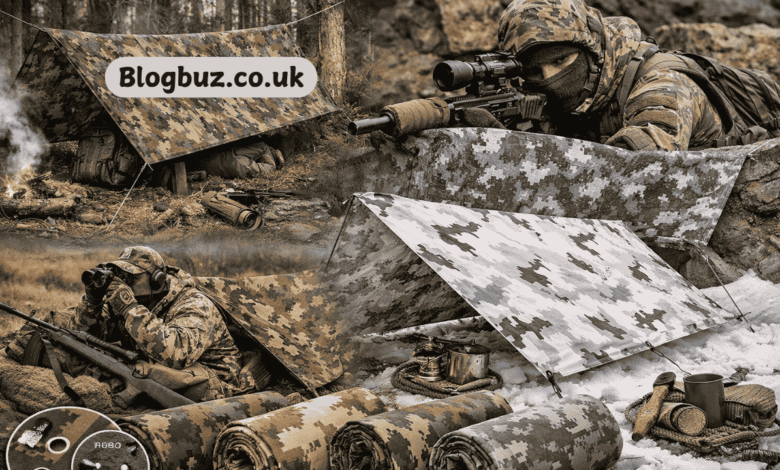
Tarnplanen—also known as camouflage tarps—are versatile, durable, and essential tools for outdoor enthusiasts, military professionals, survivalists, hunters, and campers. Derived from the German words “Tarn” (camouflage) and “Planen” (tarpaulins), tarnplanen are designed to blend into natural environments while offering protection from weather, debris, and observation. In this detailed manual, you will discover what tarnplanen are, how they are used, the different types available, how to choose the right one, and how to maintain it for long-term performance.
What Are Tarnplanen?
Tarnplanen are specially designed tarpaulins featuring camouflage patterns that match natural surroundings such as forests, deserts, snowfields, or urban terrain. Unlike standard tarps, their primary advantage is concealment combined with weather protection.
They are commonly used in:
- Camping and bushcraft
- Military and tactical operations
- Hunting and wildlife photography
- Survival training
- Equipment and vehicle covering
- Emergency shelters
Their ability to reduce visual detection makes them unique among outdoor gear.
Why Tarnplanen Are So Popular
The popularity of tarnplanen has grown steadily due to its practical benefits and wide range of applications.
Superior Concealment
Camouflage patterns help users blend into their surroundings and remain hidden from animals or other people. This is essential for hunters, photographers, and military personnel.
Weather Resistance
High-quality tarnplanen are waterproof, wind-resistant, and UV-protected, making them ideal for harsh outdoor conditions.
Multi-Purpose Design
A single tarp can function as a shelter, groundsheet, rain cover, equipment protector, or privacy screen.
Lightweight and Portable
Most models are designed to fold compactly and be carried in backpacks without adding excessive weight.
Long-Term Durability
Modern materials such as reinforced polyester and PVC ensure long service life even under demanding use.
Common Uses of Tarnplanen
Camping and Bushcraft
Tarnplanen are frequently used as:
Tent replacements
- Rain shelters
- Ground covers
- Windbreaks
Bushcraft enthusiasts favor them because they allow low-impact camping that blends into the environment.
Military and Tactical Operations
Armed forces rely on tarnplanen to:
- Conceal equipment and vehicles
- Create hidden observation posts
- Build temporary field shelters
- Protect sensitive supplies
Their reduced reflectivity and matte finish help prevent detection.
Hunting and Wildlife Photography
Hunters and photographers use tarps to build blinds or cover gear, allowing them to observe animals without disturbing them.
Survival and Emergency Preparedness
In survival situations, tarnplanen provide:
- Rapid shelter construction
- Protection from rain and cold
- Camouflage from threats
- Water collection surfaces
They are a staple in emergency kits and bug-out bags.
Types of Tarnplanen
Different environments require different tarp designs. The most common types include:
Woodland Tarnplanen
Green, brown, and black patterns designed for forests and jungles.
Desert Tarnplanen
Tan and beige patterns for arid and sandy landscapes.
Snow Tarnplanen
White and gray camouflage for winter conditions.
Urban Tarnplanen
Gray and black tones are suitable for concrete and city environments.
Reversible Tarnplanen
Two different camouflage patterns on each side for multi-environment use.
Materials Used in Tarnplanen
Material choice directly affects weight, durability, and waterproofing.
Polyester
- Lightweight
- Tear-resistant
- Often coated with PU for waterproofing
PVC
- Heavy-duty
- Highly waterproof
- More durable but heavier
Ripstop Nylon
- Extremely lightweight
- Strong for its thickness
- Popular among backpackers
Canvas
- Breathable
- Quiet in the wind
- Heavier and less waterproof unless treated
How to Choose the Right Tarnplanen
When selecting the perfect camouflage tarp, consider the following factors:
Size
Choose according to intended use:
- Small (2×2 m): personal shelter or gear cover
- Medium (3×3 m): standard camping shelter
- Large (4×5 m+): group shelter or vehicle cover
Weight
Backpackers should prioritize lightweight models, while vehicle users can opt for heavier tarps.
Waterproof Rating
Look for at least 2000 mm of hydrostatic head for reliable rain protection.
Eyelets and Attachment Points
Reinforced metal or fabric eyelets allow secure setup in various configurations.
Noise Level
Some materials rustle in the wind. Hunters often prefer quieter fabrics.
Pattern Authenticity
High-quality camouflage reduces contrast and avoids unnatural color saturation.
How to Set Up Tarnplanen Effectively
There are many setup techniques:
A-Frame Shelter
Simple, fast, and effective against rain.
Lean-To Shelter
Great for wind protection and open fire warmth.
Diamond Fly
Offers maximum coverage with minimal material.
Ground Sheet Mode
Protects sleeping gear from moisture and dirt.
Using paracord, stakes, and trekking poles can greatly improve stability.
Maintenance and Care Tips
To extend the life of your tarnplanen:
- Clean with mild soap and water only
- Avoid machine washing
- Let dry completely before storing
- Store loosely folded
- Repair small tears immediately with tarp repair tape
- Refrain from exposure to prolonged direct sunlight when not in use
Proper care can allow a quality tarp to last for many years.
Environmental Considerations
Modern manufacturers are increasingly producing eco-friendly tarnplanen using:
- Recycled polyester
- Non-toxic coatings
- Reduced chemical dyes
If sustainability is important to you, look for brands that publish environmental standards.
Common Mistakes to Avoid
- Choosing a tarp that is too small
- Ignoring waterproof ratings
- Buying low-quality eyelets
- Using the wrong camouflage pattern for your environment
- Storing while wet (causes mildew and odor)
Future Trends in Tarnplanen Technology
The next generation of tarnplanen may include:
- Infrared camouflage coatings
- Thermal-signature reduction
- Smart materials that adjust color
- Ultra-light graphene fibers
- Improved fire-retardant treatments
These innovations are already being tested in military applications.
Conclusion: Why Tarnplanen Are an Essential Outdoor Tool
Tarnplanen are far more than simple tarps. They represent a powerful combination of protection, concealment, and adaptability. Whether you are camping in the wilderness, preparing for emergencies, hunting game, or operating in tactical environments, a high-quality camouflage tarp can dramatically improve your safety and effectiveness.
You May Also Read: Exploring the Unique World of fkbar: Meanings, Contexts, and Applications