Kwasi Kwarteng: Career, Politics, Mini-Budget Crisis, and Life of Britain’s Former Chancellor
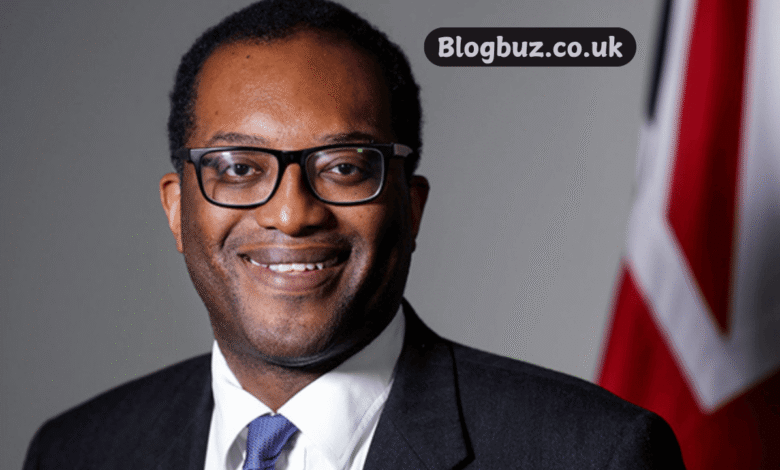
Kwasi Kwarteng is one of the most recognisable and controversial figures in modern British politics. Best known for his short but dramatic tenure as Chancellor of the Exchequer in 2022, Kwarteng has been a major force in shaping Conservative Party ideology, economic policy debates, and discussions of free markets and growth in the United Kingdom. From his elite academic background to his rise through Parliament and his involvement in the infamous “mini-budget,” Kwasi Kwarteng’s career offers insight into both the ambitions and risks of radical economic reform. This article explores his early life, education, political journey, major achievements, controversies, and long-term influence on British politics.
Early Life and Background of Kwasi Kwarteng
Kwasi Kwarteng was born on 26 May 1975 in London, England. His full name is Akwasi Addo Alfred Kwarteng, reflecting his Ghanaian heritage. His parents emigrated from Ghana to the United Kingdom in the 1960s, and both pursued professional careers—his father as an economist, his mother as a lawyer.
Growing up in London, Kwarteng demonstrated strong academic ability from an early age. He attended Eton College, one of the UK’s most prestigious schools, where he developed a reputation for intellectual discipline and competitive debate.
Later, he studied at Trinity College, Cambridge, where he earned a degree in Classics and History. He went on to achieve a PhD in economic history, focusing on British and European financial systems. This academic background would later shape his economic philosophy and approach to government policy.
Before entering politics, Kwarteng worked in finance as a financial analyst and became a published author and political commentator.
Entry into Politics and Rise in Parliament
Kwasi Kwarteng entered Parliament in 2010, when he was elected as the Conservative Member of Parliament (MP) for Spelthorne, a constituency in Surrey. His victory came during a major political shift that saw the Conservatives return to government after 13 years in opposition.
In the House of Commons, Kwarteng quickly gained recognition as a sharp speaker and a strong advocate for free-market economics, limited government intervention, and fiscal reform.
Early Parliamentary Roles
During his early years as an MP, Kwarteng served in several junior roles:
- Parliamentary Private Secretary to Conservative ministers
- Member of various parliamentary committees
- Contributor to economic policy discussions within the party
His intellectual reputation and loyalty to Conservative leadership helped him rise steadily through party ranks.
Britannia Unchained and Political Ideology
One of the defining moments in Kwasi Kwarteng’s early political career was the publication of Britannia Unchained in 2012.
He co-authored the book alongside:
- Liz Truss
- Dominic Raab
- Priti Patel
- Chris Skidmore
The book argued that Britain suffered from weak productivity, excessive regulation, and an overly cautious economic culture. It promoted:
- Free enterprise
- Lower taxes
- Reduced welfare dependency
- Business-friendly reforms
While praised by some Conservatives for its bold vision, the book also attracted criticism for being insensitive to workers and oversimplifying economic challenges.
Nevertheless, Britannia Unchained became a blueprint for the economic philosophy Kwarteng would later attempt to implement as Chancellor.
Ministerial Career Before Becoming Chancellor
Before becoming Treasury Secretary, Kwasi Kwarteng held several important government positions.
Minister of State for Business, Energy and Industrial Strategy (2021–2022)
Kwarteng served as Secretary of State for Business, Energy and Industrial Strategy (BEIS) under Prime Minister Boris Johnson. In this role, he dealt with:
- Energy security
- Climate transition policy
- Business regulation
- Post-Brexit trade and industry strategy
He supported nuclear energy investment and market-based solutions to rising energy costs, positioning himself as a pragmatic economic reformer.
Kwasi Kwarteng as Chancellor of the Exchequer
In September 2022, Liz Truss became Prime Minister and appointed Kwasi Kwarteng as Chancellor of the Exchequer—one of the most powerful roles in British government.
His appointment was widely seen as a signal that the new government intended to pursue aggressive economic reform.
The Mini-Budget (Growth Plan 2022)
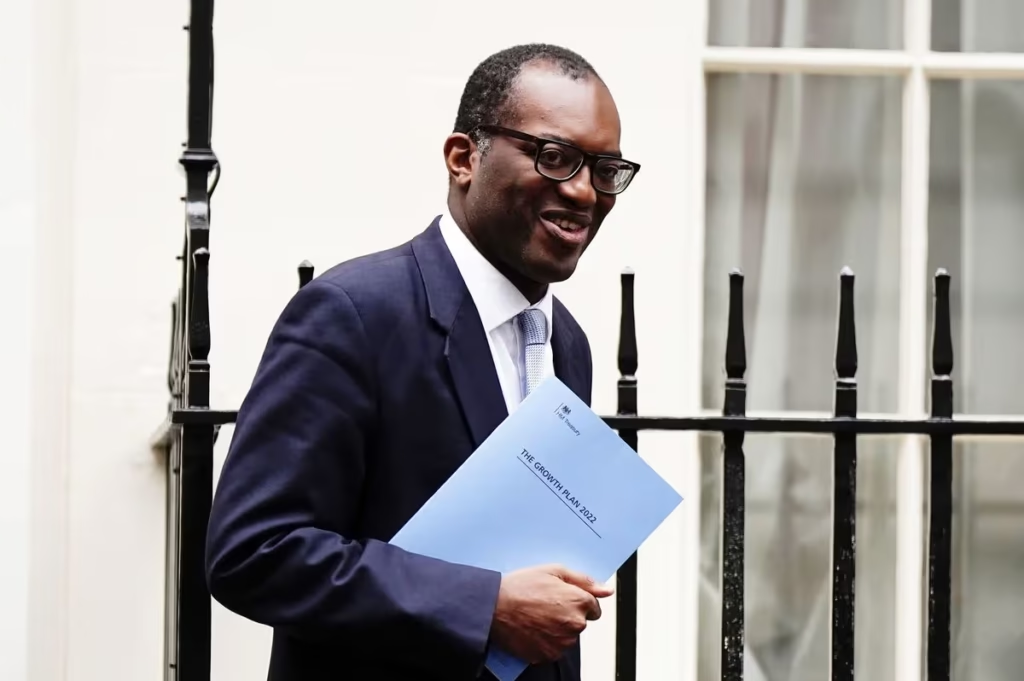
On 23 September 2022, Kwarteng delivered what became known as the “mini-budget”, officially titled The Growth Plan.
The proposal included:
- Major tax cuts
- Abolition of the 45% top income tax rate (later reversed)
- Cancellation of corporation tax increases
- Reversal of National Insurance increases
- Large-scale borrowing to fund these measures
The goal was to stimulate economic growth through supply-side reforms and investment incentives.
Market Reaction and Crisis
The reaction was swift and dramatic:
- The British pound fell sharply against the US dollar
- Government bond yields surged
- Pension funds faced liquidity risks
- International investors lost confidence in UK fiscal stability
Critics accused Kwarteng of introducing sweeping reforms without sufficient financial forecasting or consultation with the Office for Budget Responsibility (OBR).
Within weeks, political pressure mounted.
Dismissal as Chancellor
On 14 October 2022, after just 38 days in office, Kwasi Kwarteng was dismissed by Prime Minister Liz Truss.
He became:
- One of the shortest-serving Chancellors in British history
- A central figure in the collapse of the Truss government’s authority
Jeremy Hunt replaced him as Chancellor and immediately reversed most of the mini-budget policies.
Although Kwarteng later stated he had advised caution and urged the Prime Minister to slow down reforms, the episode remains one of the most significant economic policy failures in modern UK history.
Life After the Treasury
Following his dismissal, Kwasi Kwarteng returned to the backbenches of Parliament.
In 2024, he stood down as an MP, ending his 14-year parliamentary career.
Since leaving frontline politics, he has:
- Given interviews reflecting on the mini-budget
- Spoken at economic conferences
- Continued writing and commentary on fiscal policy
- Maintained involvement in conservative think tanks and business circles
Personal Life
Kwasi Kwarteng is married to Harriet Edwards, a lawyer. The couple has children and largely keeps their family life private.
Despite his high-profile career, Kwarteng is known for being reserved, analytical, and deeply intellectual, preferring economic theory and long-term planning to political drama.
Legacy and Public Perception
The legacy of Kwasi Kwarteng is complex.
Supporters Say:
- He was bold and willing to challenge orthodox economic thinking
- He attempted structural reform rather than short-term fixes
- He represented intellectual conservatism and market freedom
Critics Say:
- He underestimated market sensitivity
- He failed to communicate policy effectively
- His mini-budget damaged the UK’s financial credibility
- He prioritized ideology over economic stability
Regardless of perspective, few deny that Kwasi Kwarteng left a lasting mark on British politics.
Why Kwasi Kwarteng Remains Important in UK Politics
Even after leaving Parliament, Kwarteng remains relevant because:
- His policies reshaped Conservative economic debates
- The 2022 mini-budget is studied as a cautionary tale in fiscal governance
- His ideas continue to influence free-market factions within the party
- He symbolizes the risks of rapid economic reform without institutional safeguards
Future governments will likely reference his tenure when discussing market confidence, government borrowing, and tax reform.
Key Facts About Kwasi Kwarteng (Quick Summary)
- Full name: Akwasi Addo Alfred Kwarteng
- Born: 26 May 1975, London
- Education: Eton College, Trinity College, Cambridge (PhD)
- Political party: Conservative
- MP for Spelthorne: 2010–2024
- Business Secretary: 2021–2022
- Chancellor of the Exchequer: September–October 2022
- Notable work: Co-author of Britannia Unchained=
Final Thoughts
Kwasi Kwarteng’s political career is a story of ambition, intellect, controversy, and consequence. From academic excellence to the highest levels of government, his rise was rapid—and so was his fall.
Yet his influence persists. Whether viewed as a visionary reformer or as the architect of a financial miscalculation, Kwarteng remains one of the most discussed political figures of the 2020s in Britain.
For students of politics, economics, and leadership, the story of Kwasi Kwarteng offers valuable lessons about power, policy, markets, and the delicate balance between bold ideas and economic reality.
You May Also Read: Anita Boateng: Career, Influence, and Impact in UK Public Affairs and Political Communications