Acquiring Card Payments: How to Negotiate Better Rates with Your Acquirer
Payment processing fees eat into profit margins more than most businesses realize. The good news? A significant portion of these costs can be negotiated down with the right approach. While many merchants assume their rates for acquiring card payments are set in stone, the reality is quite different.
What Actually Shows Up on Your Bill
Not all payment fees are created equal when acquiring card payments. Some costs are completely fixed, while others offer plenty of room for negotiation. Understanding this distinction makes all the difference.
The three main fee categories:
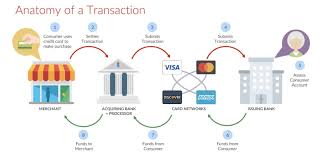
- Interchange fees – These go straight to the issuing banks and are set by card networks like Visa and Mastercard. No negotiation possible here.
- Card scheme fees – Network access charges that stay the same regardless of which processor handles transactions.
- Acquirer markup – This is the goldmine for negotiation. The portion your card payment acquirer keeps represents the only truly flexible part of the equation.
The acquirer markup varies wildly between providers. Some hide it in complex pricing structures, while others present it transparently. Knowing exactly what the markup is gives merchants real bargaining power.
Pricing Structures That Make or Break Deals
The way processing fees are packaged determines how much control merchants have over costs when acquiring card payments.
Interchange-Plus: The Clear Winner
This model separates base costs from the processor’s markup. Everything appears on the statement clearly—the actual interchange, the scheme fees, and what the acquirer charges on top. This transparency makes comparing offers straightforward and highlights when rates no longer match the business’s risk profile.
Tiered and Flat-Rate: Convenient but Costly
Tiered pricing bundles transactions into categories with different rates. It looks simple, but it often masks true costs. Flat-rate models charge the same percentage regardless of card type. Both approaches work for small operations but rarely deliver the best value for acquiring card payments once monthly volume grows beyond basic thresholds.
Building Leverage Before the Conversation
Walking into negotiations unprepared rarely works. Card payments acquirers employ experienced teams who know pricing inside out.
What merchants need to gather:
- Processing history – At least three to six months of detailed statements showing volume, average transactions, and card mix
- Competitive quotes – Written offers from other processors (verbal estimates don’t carry weight)
- Performance metrics – Low chargeback rates, consistent growth, clean payment history
Growing transaction volume matters. When processing increases significantly year-over-year, that growth makes merchants more valuable to retain. Chargeback rates below 1% demonstrate reliability. These concrete numbers speak louder than vague claims about being a good customer.
The Power of Alternatives
A written quote from a competing acquirer changes everything. Other processors actively seek new business and often quote aggressive rates to win it. The key is getting genuine offers based on accurate volume data rather than inflated estimates that change after underwriting.
Tactics That Actually Work
Timing and approach matter as much as preparation when acquiring card payments at better rates.
Schedule annual or semi-annual reviews instead of waiting until frustration peaks. Regular check-ins allow both sides to adjust pricing as the business evolves. Starting small builds momentum—targeting monthly maintenance fees or compliance charges first often succeeds where demanding massive rate cuts fails.
Non-essential fees to eliminate:
- Monthly statement charges
- PCI compliance fees that exceed actual costs
- Equipment rental for outdated terminals
- Batch processing fees with minimal justification
When presenting competitive offers, frame them as information rather than ultimatums. The goal is to create a constructive conversation about rate parity, not burning bridges. Most acquirers prefer keeping existing merchants over finding new ones.
The strongest position comes from a genuine willingness to switch providers. This doesn’t mean making threats, but it does require accepting that some acquirers won’t budge regardless of approach.
Smart Operational Moves That Lower Costs
Beyond direct negotiation, how transactions get processed affects costs naturally when acquiring card payments.
Security Measures That Pay Off
Address Verification Service checks and CVV requirements add minimal friction but substantially reduce fraud risk. For online businesses, these basic tools help transactions qualify for lower interchange categories. Lower fraud rates protect accounts from elevated fees that come with high-risk status.
Settlement and Payment Mix
Batching transactions within 24 hours keeps them from incurring delayed-settlement premiums. Encouraging lower-cost payment methods also helps—debit cards typically carry lower interchange than credit cards, and ACH transfers cost even less.
Making lower-cost options more prominent or offering small incentives for their use can shift the transaction mix. Even modest changes produce meaningful savings when scaled across thousands of transactions.
When Multiple Acquirers Make Sense
Larger businesses often benefit from working with more than one provider for acquiring card payments. This strategy introduces complexity but offers real advantages.
Domestic processing typically costs less than international routing. A business serving customers across multiple continents might maintain separate acquiring relationships in each region. This avoids cross-border fees and often improves authorization rates.
Having alternatives also provides negotiating leverage. Each acquirer knows the merchant has options, which tends to keep pricing competitive. The redundancy protects against technical issues or sudden policy changes from any single provider.
Mistakes That Undermine Results
Even prepared merchants sometimes shoot themselves in the foot during negotiations.
Common pitfalls to avoid:
- Accepting verbal promises instead of written commitments
- Focusing only on percentage rates while ignoring total costs
- Overlooking contract terms like early termination fees
- Treating the relationship as purely adversarial
Total cost matters more than any single number. Monthly minimums, per-transaction fees, and ancillary charges can collectively exceed savings from slightly lower percentage rates. Contract terms deserve careful review, too—great rates mean little when locked into unfavorable agreements for years.
Keeping Costs Under Control Long-Term
Securing better rates starts the process rather than ending it. Ongoing management requires regular monitoring as business conditions shift.
Calculating the effective rate monthly—total fees divided by total volume—reveals whether negotiated improvements actually materialize. Major business changes like significant volume increases or market expansion warrant rate reviews even outside regular cycles.
The payments industry evolves constantly. New interchange categories, network rule changes, and competitive pressure create fresh opportunities for optimization. Staying informed allows merchants to act proactively rather than discovering changes months later.
Final Thoughts
Reducing costs for acquiring card payments delivers benefits that compound as businesses grow. Lower processing fees improve unit economics on every transaction. Even small percentage reductions translate to substantial annual savings for high-volume operations.
The merchants who treat payment processing as a strategic lever rather than a fixed cost consistently outperform those who view acquiring relationships as unchangeable. Success comes from understanding statements, documenting value, and genuinely evaluating alternatives. Preparation and knowledge create negotiating strength that hopeful requests without groundwork can never achieve.