When Is A Mole Worth Getting Checked? A Dermatologist’s Guide To Skin Changes
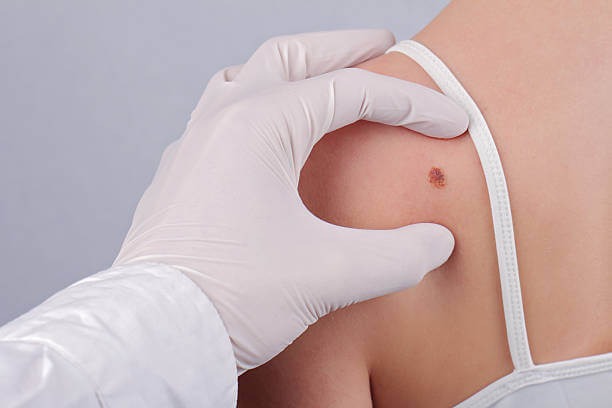
Most people have moles. Some appear in childhood, others develop later in life, and many change slowly over time. The challenge is knowing which changes are harmless and which are worth having checked by a dermatologist. With skin cancer rates continuing to rise in the UK, understanding what is normal and what is not has never been more important.
This guide is designed to help you recognise the signs that should prompt a professional skin assessment, while also offering reassurance about common, benign changes that often cause unnecessary worry.
What Exactly Is A Mole?
A mole, medically referred to as a naevus, is a collection of pigment-producing cells in the skin. Moles can vary widely in colour, shape, and size. Some are flat, others raised, and some may be present at birth while others develop gradually.
Most moles are completely harmless. In fact, having moles is normal and expected. The key is not to panic at every change, but to understand which changes matter.
Normal Mole Changes You Do Not Usually Need To Worry About
Not all changes are a cause for concern. Many moles alter subtly as part of the natural ageing process, especially during periods of hormonal change such as puberty or pregnancy.
Common non-concerning changes include gradual lightening or darkening over many years, a mole becoming slightly raised when it was previously flat, or the appearance of new moles up to around the age of 40. These changes tend to be slow and consistent, rather than sudden.
A mole that looks similar to your other moles and has not changed noticeably over time is often referred to by dermatologists as a “signature mole”, and these are rarely problematic.
The ABCDE Rule Explained Clearly
One of the most useful tools for assessing moles at home is the ABCDE rule. While it is not a diagnostic tool, it provides a helpful framework for spotting potential warning signs.
• Asymmetry
If one half of the mole looks noticeably different from the other, this is worth noting.
• Border
Irregular, blurred, or jagged edges are more concerning than smooth, even borders.
• Colour
Multiple colours within one mole, such as shades of brown, black, red, or even blue, can be a warning sign.
• Diameter
Moles larger than 6mm, roughly the size of a pencil eraser, deserve closer attention, although smaller moles can still be problematic.
• Evolving
Any change in size, shape, colour, or texture, particularly over a short period of time, is one of the most important indicators to take seriously.
Evolution is often considered the most critical factor. A changing mole is more concerning than one that has always looked the same.
Symptoms That Should Never Be Ignored
Beyond visual changes, certain symptoms should always prompt a dermatology appointment.
These include itching, bleeding, crusting, or oozing without injury, a mole becoming painful or tender, or a new dark spot appearing suddenly in adulthood that looks different from your other moles.
A lesion that does not heal or repeatedly scabs over is also worth checking, even if it does not resemble a typical mole.
Who Is At Higher Risk?
Anyone can develop skin cancer, but certain factors increase risk. These include a history of severe sunburn, frequent sunbed use, fair skin that burns easily, a large number of moles, or a family history of melanoma.
People who have lived in sunny climates or spend a lot of time outdoors without adequate sun protection should be particularly vigilant.
What Happens During A Mole Check?
A professional mole assessment is straightforward and non-invasive. A dermatologist will examine your skin visually and often use a handheld device called a dermatoscope. This allows deeper structures within the mole to be assessed without breaking the skin.
If a mole looks suspicious, you may be advised to have it removed and sent for laboratory analysis. Removal is typically a minor procedure performed under local anaesthetic.
Why Early Assessment Matters
Skin cancers detected early are significantly easier to treat and have much better outcomes. Many people delay getting a mole checked because it is not painful or because they worry about wasting a clinician’s time.
In reality, dermatologists would always prefer to reassure you early rather than treat something that has progressed unnecessarily.
Building Confidence In Your Own Skin Checks
Regular self-examination is one of the most effective ways to notice changes early. Checking your skin every few months, including less visible areas such as the scalp, soles of the feet, and behind the ears, helps you become familiar with what is normal for you.
Photographing moles can also be helpful for monitoring subtle changes over time, provided images are clear and consistent.
If something catches your attention or simply does not feel right, that instinct alone is a valid reason to seek professional advice.