Vadodara’s Cultural Corners: Interesting Places that Reflect its Royal Past
The growth of Vadodara has been gradual, but its royal heritage has been silently embedded in it. The city of Vadodara does not show off its history but lets it be embedded in it seamlessly. However, for any traveller visiting this place, the primary need might be satisfied by looking for hotels in Vadodara, but the experience will start once they start noticing the history of this place rooted in its present. The royal planning for Vadodara, its love for arts, and its ability to balance chaos with beautiful designs will continue to characterize its cultural areas.
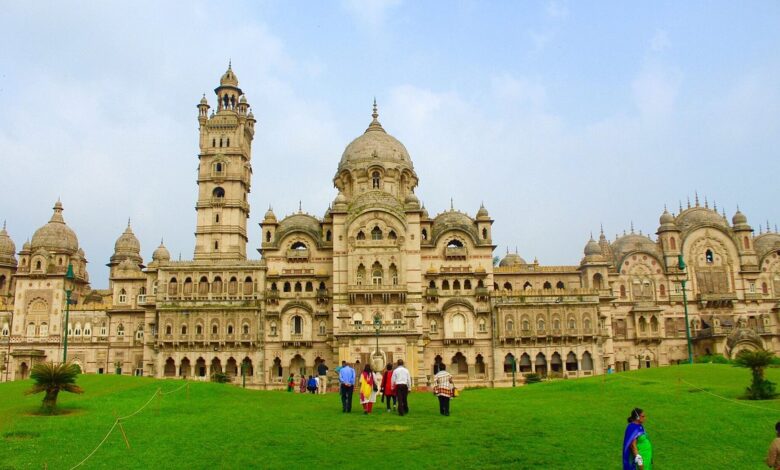
- Laxmi Vilas Palace and Thoughtful Royal Design: The Laxmi Vilas Palace is a magnificent example of royal living, designed by planning and not just extravagance. The building represents how rulers of old valued space, lighting, and openness. This corner of history represents how royal minds were devoted to long-term living, where comfort, culture, and governance had complete significance in the same space.
- Kirti Mandir and the Meaning of Legacy: Kirti Mandir symbolizes remembrance through its dignified design. In contrast to grand palaces, this place displays quiet respect for family values and history. The design avoids heaviness in decoration and highlights balance and calm expression. This indicates that Vadodara’s royal past was rooted in upholding honour toward one’s relations and moral responsibility, thus making culture a personal and emotional affair rather than a power display.
- Nyaya Mandir and Civic Order: The Nyaya Mandir, located in the centre of the city’s cultural district, is an embodiment of equality and order as formed through royal insight and imagination. The solid architecture and structure are indicative of royalty but also come across as accessible and welcoming.
- Mandvi Gate and the Influence of Everyday Royals: Mandvi Gate links Vadodara’s history to its current normal routine. The structure was once part of Vadodara’s defensive system but now finds itself amidst busy roads and marketplaces. Its retention demonstrates how royal heritage was incorporated into locals’ normal activities. This social hotspot highlights heritage in Vadodara by proving that it was incorporated in all aspects of their life, including their daily movements.
- Staying Close to Cultural Roots: Visiting Vadodara can become more interesting when accommodation facilitates visits to the heritage sites. Therefore, hotels like Fortune Inn Promenade, Sayaji Vadodara, Fairfield by Marriott Vadodara, Ginger Vadodara, Welcomhotel by ITC Hotels Alkapuri, and Hotel Casa serve as best options to stay for exploring the city on foot and taking cultural walks. This will enable the visitor to have a dose of history uninterrupted, focusing more on the royal side of Vadodara.
- Gardens and Planned Public Spaces: Another reflection of the royal heritage of Vadodara is the design of public spaces. Gardens and spacious grounds have been created not only for recreation but also to complete the life of the city as a whole. These spaces indicate how the rulers felt that greenery, quietness, and design were necessary for healthy living. Even today, these spaces permit people to pause and watch the cultural flow of the city without being rushed.
- Educational Institutions Shaped by Royal Vision: A few learning centres in Vadodara were developed through royal patronage. This reveals their respect for knowledge and discipline. These centres were meant for fostering ideas, arts, and values rather than strictly monitoring them. The ambiance surrounding them is still saturated with a touch of composure and royalty. This cultural detail is proof of how royal influence shaped everyday thinking and behaviour.
Conclusion
Vadodara’s expression of its royal tradition of harmony, discipline, and understanding of its culture lingers on to this date. The history of Vadodara is not conserved for its memory but for its eventual influence on its structures and conduct. One can witness that when travellers book hotels in Vadodara, they find delight not within its points of interest but within its ability to integrate its rich history into its daily aspects. This quiet connection between past and present gives the city a character that feels natural and lasting.