What Is a Water Heater Replacement Valve?
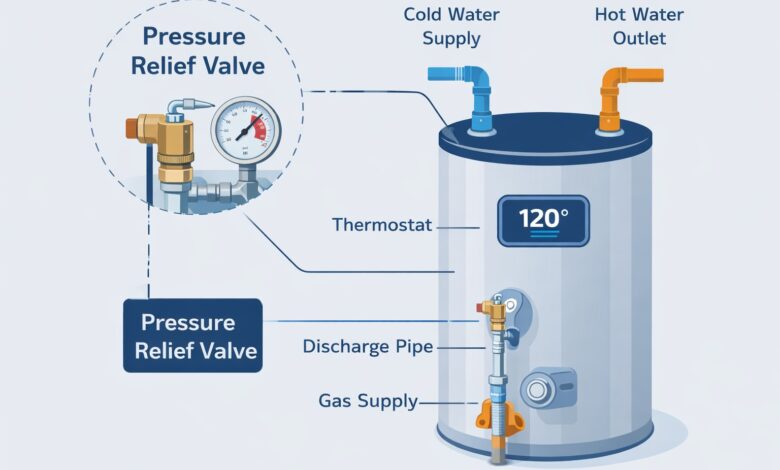
Your water heater works hard every day to provide hot water for showers, laundry, dishes, and more. But hidden inside that metal tank is a small component that plays a huge role in keeping your system safe and functional—the water heater replacement valve, more commonly known as the temperature and pressure relief (T&P) valve.
Understanding what this valve does and why it matters can help protect your home from leaks, water damage, and even dangerous pressure buildup.
What Does a Water Heater Replacement Valve Do?
A water heater replacement valve is a safety device designed to release excess pressure or heat from your water heater tank. If the internal temperature or pressure becomes too high, the valve automatically opens to discharge water and relieve the buildup.
Without this valve, pressure could continue rising inside the tank, creating a serious risk of rupture or explosion.
As the experts at Blue Moon Plumbing explain:
“If this valve fails, your water heater can leak, malfunction, or even become a serious safety hazard. Knowing how to replace a faulty pressure valve can save time and stress—but it’s also important to recognize when the job requires a licensed plumber.”
In short, the replacement valve acts as your water heater’s built-in emergency release system.
Signs You May Need a New Valve
Over time, T&P valves can wear out, corrode, or become clogged with mineral deposits. Here are some common warning signs that your valve may need replacement:
- Water dripping from the discharge pipe
- Frequent pressure releases
- Rust or corrosion around the valve
- No water release when the valve lever is tested
- High water pressure throughout the home
If you notice any of these issues, it’s important to take action quickly before a small problem turns into a major plumbing emergency.

Can You Replace It Yourself?
Replacing a water heater valve is possible for experienced DIYers—but it’s not always a simple task. The job involves shutting off water and power, draining part of the tank, removing the old valve, and installing a new one correctly.
While some homeowners feel comfortable tackling the job, others prefer the peace of mind that comes with professional service.
If you’re thinking about handling the repair yourself, read the full guide on how to replace a water heater pressure valve here:
This step-by-step guide walks you through the entire process so you can decide whether it’s a project you want to attempt—or leave to the pros.

When to Call a Professional
There are times when replacing a water heater valve should not be a DIY project. It’s best to call a licensed plumber if:
- The valve is heavily rusted or stuck
- The water heater is very old
- You’re experiencing repeated valve failures
- You suspect dangerously high water pressure
- You’re unsure how to safely shut down the system
A leaking or malfunctioning valve can sometimes signal deeper issues such as sediment buildup, thermostat problems, or excessive system pressure. A professional plumber can diagnose the root cause and ensure your water heater is operating safely.
Protect Your Home with Proper Maintenance
Your water heater replacement valve may be small, but it plays a critical role in protecting your home and family. Regular inspections and timely replacement can help extend the life of your water heater and prevent costly damage.
If you’re experiencing problems with your T&P valve—or you simply want a professional inspection—Blue Moon Plumbing is here to help.
Blue Moon Plumbing – Dallas/Fort Worth
Phone: (469) 328-3243
Address:
18725 Dallas Pkwy Unit 1821
Dallas, TX 75287
Licensure: Master Plumbing License #44869
Website: https://www.bluemoonplumbingdfw.com/
Whether you need valve replacement, water heater repair, or a complete system evaluation, their licensed plumbers can make sure the job is done safely and correctly.
Keeping your water heater in good working order starts with understanding its key components. Now that you know what a water heater replacement valve is—and why it matters—you can make informed decisions to protect your home from unexpected plumbing problems.