Can Your Garden Be Carbon Neutral? Here’s What UK Homeowners Can Do
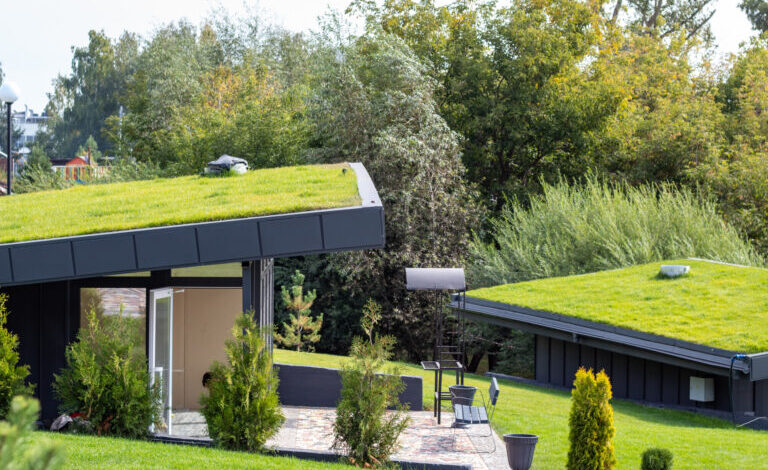
Have you ever looked at your garden and wondered if it’s helping or hurting the planet?
Turns out, that patch of green outside your window could either be a mini carbon sink or just another source of emissions. The difference comes down to a few surprisingly simple choices.
So, if you’re ready to make your garden work for the environment instead of against it, here are some easy steps you can take.
What Does ‘Carbon Neutral’ Mean for a Garden?
Carbon neutrality sounds like a fancy term, but it’s actually straightforward.
It means that the carbon dioxide your garden activities release is balanced out by the carbon dioxide your plants and soil absorb. Ideally, you should be aiming for zero net emissions.
Every time you fire up a petrol mower or spread synthetic fertiliser, you add to the emissions side of the equation. At the same time, your plants are quietly doing the opposite, pulling carbon dioxide out of the air and storing it in their roots and the soil beneath them.
The trick is tipping the balance in favour of absorption rather than release.
Most UK gardens aren’t anywhere close to carbon neutral yet, but that’s about to change. Homeowners have caught on to the fact that eco-friendly gardening isn’t just a passing trend; it actually makes gardens healthier and easier to maintain.
Try Your Hand at Composting
If you want to lower your garden’s carbon footprint without overthinking it, start with compost.
Those veggie peelings and grass clippings you’ve been binning? They’re basically gold for your garden, and keeping them out of landfills prevents methane emissions.
Setting up a compost bin takes about 10 minutes. Find a shady spot near your kitchen door and place your bin. A container that can hold around 300–400 litres is ideal for most gardens.
Mix green materials (vegetable scraps, fresh grass) with brown materials (dried leaves, cardboard) at a ratio of about one to two. And skip the meat and dairy unless you fancy hosting the local fox population.
Keep it damp like a wrung-out sponge, turn it weekly, and you’ll have rich compost in a few months.
The payoff is absolutely worth it. Compost improves soil structure, feeds plants naturally, and locks carbon into the ground. So, say goodbye to bagged chemical fertilisers and weekend-long gardening sessions.
Plant Native Specimens
If you want an easy way to make your garden more carbon neutral, why not plant a few native specimens?
Bluebells, primroses, and foxgloves aren’t just pretty faces. They’ve evolved for British conditions, so they need minimal watering once established. Not to mention, they’re carbon-capturing machines that support pollinators.
Compare that to imported ornamentals that demand constant watering, and you’ve got a clear winner.
Switching even part of your garden to native species will lower your carbon footprint and create a space that actually feels alive. It’s one of those rare choices where doing less work produces better results.
Rethink Your Lawn
Traditional lawns are environmental disasters dressed up in neat stripes.
Weekly mowing pumps out carbon emissions, chemical treatments run off into waterways, and constant watering during dry spells wastes resources. The result? A monoculture that supports almost no wildlife.
The good news is you don’t have to rip everything up overnight. Instead, turn awkward corners into wildflower patches or swap sections of turf for low-maintenance ground covers, like creeping thyme or clover.
These alternatives need mowing maybe once a month, stay greener during droughts, and give pollinators something to work with. They also tend to look intentional rather than neglected, which helps if you’re easing into the idea.
Some homeowners are taking it a step further by cutting simple mown paths through longer grass, creating a relaxed cottage-garden feel. Others leave whole sections wild and realise they actually prefer it.
Catch Rainwater
Letting rainwater run straight down the drain is a missed opportunity. So, why not collect free water that’s already falling out of the sky instead of relying on energy-intensive treated tap water?
A simple rain barrel under a downpipe will do most of the work for you. Look for one that holds at least 200 litres and includes a tap and a debris screen.
Once it’s set up, it’ll fill up every time it rains, which, let’s be honest, happens fairly often in the UK.
Your plants will be better for it, too. Rainwater is chlorine-free, so it’s gentler on soil and roots. Using it during dry spells will keep your garden lush without pushing up your water bills or putting extra pressure on the mains supply.
If you’re worried that it’ll stand out for the wrong reasons, don’t be. Modern rain barrels come in wood-effect finishes, slimline designs, or even styles disguised as planters, so they blend in rather than sticking out.
Lower bills, healthier plants, and fewer emissions—what’s not to love?
Go Organic and Ditch the Chemical Dependency
If your garden relies on synthetic pesticides and fertilisers, you’re not alone, but they come with downsides that creep up over time. They take a lot of energy to produce, weaken the soil, and end up washing into waterways.
Luckily, organic alternatives work just as well, without the carbon dioxide overload.
Start with pest control. Instead of spraying chemicals at the first sign of trouble, you can let nature do some of the work.
Ladybirds are excellent at handling aphids, neem oil helps when pests get stubborn, and even planting marigolds nearby can discourage insects before they become a real issue.
And when it comes to feeding your plants, the simplest solutions often work best. Compost and seaweed-based fertilisers support the soil rather than forcing fast growth that most specimens struggle to sustain.
You can also rotate crops each year to stop pests from settling in and keep nutrients from being drained in the same spot.
Make Maintenance Part of the Solution
What you do in your garden week-to-week matters just as much as what you plant in it.
Start with your tools. If you’re still using petrol-powered kit, switching to electric or manual alternatives will make an immediate difference.
Modern battery mowers and trimmers are powerful enough for most gardens, run quieter, and produce no emissions while you’re using them.
Then, look at how you manage the soil. Mulching is one of the easiest habits to adopt and one of the most effective. Add a layer of wood chips, leaf mould, or compost around your plants to keep moisture in, suppress weeds, and feed the soil as it breaks down.
Timing matters, too. So, prune when plants are dormant and water early in the morning or later in the evening so it actually reaches the roots instead of evaporating away.
And if you bring in help, it’s worth asking a few questions. More professional gardening services now offer low-impact or carbon-neutral garden maintenance, using electric equipment and organic methods as standard.
Conclusion
A carbon-neutral garden isn’t something you can achieve overnight. It’s the result of small changes that add up over time.
So, pick one tip, like setting up that compost bin or swapping part of your lawn for wildflowers, and take it from there. Chances are, you’ll discover it’s easier than expected and produces better results than your old methods.