7 Space Optimization Tips for Modern Offices
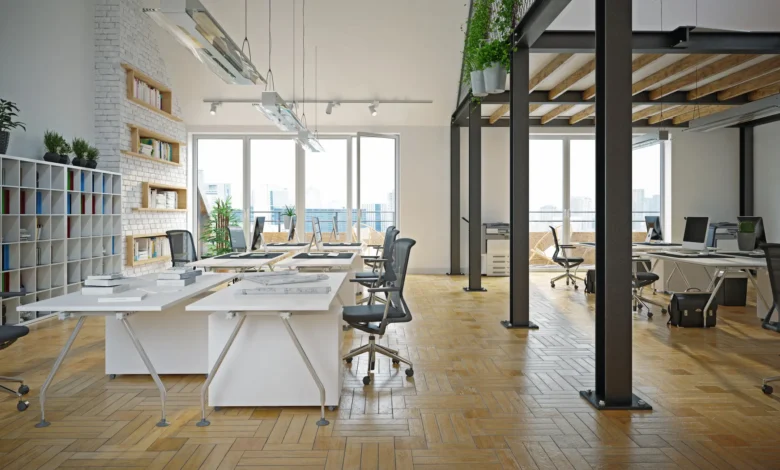
The modern workplace is evolving. Gone are the days of rigid, partitioned layouts that prioritize isolation over collaboration. Today, businesses are shifting toward flexible, efficient designs that foster creativity and adapt to changing team needs. But as real estate costs climb and hybrid work becomes the norm, making the most of every square foot isn’t just a design choice—it’s a financial necessity.
Optimizing your office space doesn’t necessarily mean moving to a bigger building or undergoing a complete renovation. Often, the solution lies in smarter utilization of what you already have. By reimagining how different zones function, you can create an environment that feels spacious, organized, and conducive to productivity.
Whether you’re managing a bustling startup or an established corporation, rethinking your layout can significantly impact employee morale and efficiency. A well-optimized office reduces clutter, improves traffic flow, and provides employees with the variety of work settings they need to perform their best. Here are seven practical strategies to transform your workspace into a model of modern efficiency.
1. Embrace Flexible Workstations
The concept of assigning one desk to one employee is becoming obsolete, especially with the rise of hybrid work schedules. Hot-desking or hoteling allows you to reduce the total number of workstations needed, freeing up valuable floor space for other uses.
Instead of rows of empty desks on days when staff work from home, implement a booking system where employees reserve a spot when they come in. This flexibility allows you to repurpose underutilized areas into collaborative zones or quiet corners, ensuring the office feels lively and functional rather than sparse and empty.
2. Utilize Vertical Storage Solutions
When floor space is limited, look up. Walls are often the most underutilized real estate in an office. Installing floor-to-ceiling shelving or wall-mounted cabinets can drastically reduce the footprint of filing cabinets and bulky storage units.
Vertical storage keeps essentials accessible but out of the way, maintaining a clean visual line across the office. This approach not only declutters pathways but also draws the eye upward, making the room feel larger and more open.
3. Implement Multi-Functional Furniture
In a space-conscious office, every piece of furniture should earn its keep. Look for items that serve double duty. For example, storage ottomans can provide seating for impromptu meetings while housing documents or supplies.
Consider modular tables that can be separated for individual work or joined together for conference calls. Using versatile furniture allows you to adapt the room layout on the fly, accommodating a town hall meeting in the morning and quiet focus time in the afternoon without needing extra rooms.
4. Create Distinct Zones with Psychology in Mind
Open-plan offices are great for collaboration but terrible for deep focus. To optimize space effectively, you need to cater to both work styles. Create distinct zones for different activities: loud areas for brainstorming and socialization, and quiet zones for intense concentration.
You don’t need permanent walls to achieve this. Acoustic panels, bookshelves, or even strategically placed plants can act as soft barriers. This zoning prevents noise pollution from traveling across the office, ensuring that space is used effectively for its intended purpose without physical expansion.
5. Rethink the Cubicle
While the “sea of grey cubicles” is a relic of the past, the need for private workspaces hasn’t disappeared. The modern approach is about balance. Instead of discarding privacy entirely, consider incorporating refurbished or gently used office cubicles into specific focus areas.
These units can be arranged in clusters away from high-traffic zones, offering a sanctuary for tasks requiring high concentration. Modern designs are often lower-profile and more aesthetically pleasing than their predecessors, providing necessary sound dampening without making the office feel claustrophobic.
6. Digitize to Declutter
Paper clutter is one of the biggest enemies of space optimization. Filing cabinets, document boxes, and stacks of paper consume massive amounts of physical space. Transitioning to a digital filing system allows you to reclaim square footage that was previously dedicated to paper storage.
Cloud-based document management systems not only free up physical room but also improve workflow efficiency. Employees can access files from anywhere, facilitating remote work and reducing the need for printing and physical archiving.
7. Optimize Lighting and Color
While not a physical space-saver, lighting and color profoundly affect how spacious an office feels. Dark corners and heavy, dark furniture can make a room feel cramped.
Maximize natural light wherever possible by keeping window areas clear of tall furniture. Use glass partitions instead of solid walls to let light penetrate deeper into the building. Light, neutral color palettes on walls and floors reflect light, creating an illusion of airiness and expansion that physical square footage alone cannot achieve.
Transforming Your Workspace for the Future
Optimizing your office is an ongoing process of assessment and adjustment. It requires looking at your environment with a critical eye and being willing to let go of traditional layouts that no longer serve your team. By prioritizing flexibility, verticality, and smart furniture choices, you can create a workspace that feels larger than it is.
Ultimately, a well-designed office does more than save money on rent. It signals to your team that you value their comfort and productivity. Start small with one or two changes, and observe how your team interacts with the new setup. The result will be a dynamic, efficient environment ready for whatever the future of work holds.