Why Professional Bed Bug Extermination in London Is Worth the Investment
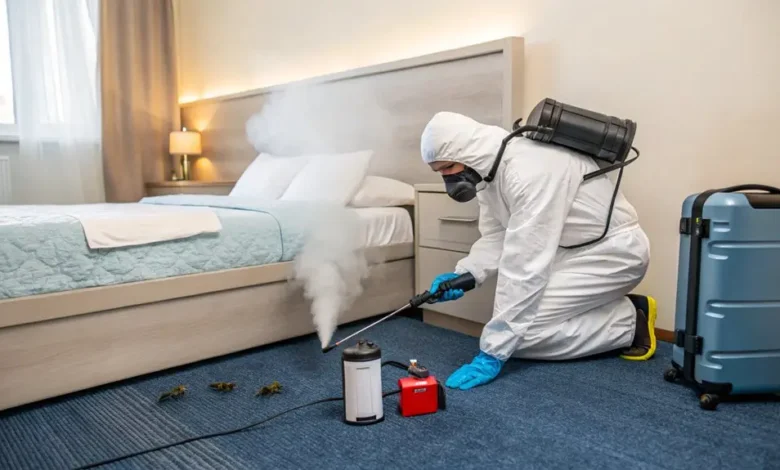
Few phrases cause as much quiet panic among Londoners as “bed bugs.” Once you’ve spotted those tell-tale specks or woken up with bites, the temptation is to rush to the nearest DIY spray and hope for the best. After all, how bad can it be?
In reality, bed bugs are one of the most misjudged pest problems in the city. The true cost isn’t just the fee on an exterminator’s invoice; it’s the weeks or months of disrupted sleep, the constant laundry, the furniture you replace, the tenants you lose, or the bookings you refund. Against that backdrop, professional treatment stops looking like a luxury and starts to resemble what it really is: damage limitation.
Modern professional services in London aren’t just about spraying and hoping. Many reputable providers now combine targeted insecticides with methods such as high-temperature bed bug control, detailed inspections, and follow-up visits designed to break the life cycle of the infestation. That integrated approach is difficult to replicate with shop-bought products, and it’s a big part of why professional intervention tends to pay for itself.
Let’s break down what “worth the investment” actually means in a London context.
The Hidden Economics of a Bed Bug Infestation
The obvious costs you see straight away
Even if you tackle bed bugs yourself, you’re still spending money:
- Multiple cans of insecticide, “foggers,” and powders
- Mattress and bedding replacement (sometimes prematurely)
- Laundrette costs for repeated 60°C washes and drying cycles
- Extra vacuum bags, bin liners, storage crates
Those costs creep up, especially if the infestation drags on for months. And because DIY methods rarely eliminate every life stage, many people end up layering one product on top of another without ever really resetting the problem.
For landlords or hospitality businesses, the numbers are starker: discounted rent, temporary rehousing, closed rooms, or refunded nights add up quickly. A single room out of action in central London for a week can easily exceed the price of a full professional treatment.
The indirect costs that don’t show on a receipt
Then there’s everything you can’t easily quantify:
- Disrupted sleep leading to reduced work performance
- The psychological toll of living with a persistent infestation
- Strained relationships in shared houses or HMOs
- Damage to brand reputation in hotels, short lets, and hostels
In an era where a single review can shape booking decisions, a mention of bed bugs on a listing or Google review can linger long after the original problem is solved. Seen through that lens, investing in a thorough, well-documented professional treatment is as much about protecting reputation as it is about killing insects.
Why Bed Bugs in London Are Especially Stubborn
A perfect environment for spreading
London’s housing stock and lifestyle make bed bugs unusually resilient:
- High-density living: Flats, terraced houses, multi-unit buildings and HMOs give bed bugs an easy path through shared walls, service ducts, and communal areas.
- Constant movement: The city’s international travel links, commuter flows, and tourism mean bugs regularly arrive via luggage, clothing, and second-hand items.
- Older buildings: Cracks, floorboards, pipe runs, and ornate fixtures create thousands of micro-hiding places that are almost impossible to treat comprehensively with a single aerosol.
Bed bugs don’t stay politely on the mattress. They can retreat into skirtings, bed frames, sockets, and even behind wallpaper, then emerge weeks later when chemicals have lost potency.
Behaviour that defeats DIY approaches
From a technical standpoint, bed bugs are awkward adversaries:
- They can survive many months without a blood meal.
- Eggs are more resistant to many insecticides than adults.
- Some populations have developed resistance to common over-the-counter chemicals.
- They’re mostly active at night and excellent at hiding, so people underestimate how many they have.
This is why “I sprayed and didn’t see anything for a while” is such a common story, followed by “and then they came back, worse.” Without a strategy to reach every life stage and hiding place — often involving controlled heat in the 50–60°C range combined with residual insecticides — DIY treatments rarely get to zero.
What You Actually Get from a Professional Extermination
Evidence-led inspection and planning
A competent professional doesn’t start by spraying; they start by looking. That means:
- Identifying harbourage points in and around beds, sofas, wardrobes, and sockets
- Assessing how far the infestation has spread (including neighbouring rooms or units)
- Distinguishing bed bugs from lookalikes such as carpet beetles or fleas
- Matching treatment methods to the property type — Victorian terrace vs modern flat vs hotel
This diagnostic stage matters. Misidentifying the pest or underestimating its spread is one of the main reasons DIY efforts fail and costs mount.
Tools and methods you’re unlikely to have at home
Many of the techniques that shift stubborn infestations rely on equipment and products that are either regulated or uneconomical for one-off domestic use. These can include:
- Professional-grade heaters and steamers for whole-room or localised heat treatments
- Commercial formulations of residual insecticides and desiccant dusts
- Monitors and interceptors to confirm activity has ceased
- Structured treatment plans with at least one follow-up visit to tackle newly hatched nymphs
High-temperature bed bug control is a good example. Achieving lethal temperatures safely and evenly through mattresses, furniture, and voids is not the same as blasting a hairdryer at a seam. Professionals use calibrated equipment with monitoring to ensure the entire target zone stays in the kill range long enough to destroy all life stages.
When “Worth It” Becomes “Essential”
For some Londoners, professional treatment isn’t just a smarter option; it’s almost non-negotiable.
Landlords and managing agents face not only tenant dissatisfaction but potential claims if they’re seen to ignore or minimise infestations. In HMOs, student accommodation, and multi-unit blocks, a slow or partial response in one flat often translates into bigger, more expensive problems later.
Hotels, hostels, and short-let hosts operate under even greater pressure. A single online mention of bed bugs can impact occupancy well beyond the affected room or week. Rapid, professional intervention — with clear documentation and a demonstrable process — is often crucial to protecting both guests and brand.
Even for owner-occupiers, the calculation isn’t purely financial. For families with young children, people with allergies, or anyone already struggling with sleep or anxiety, a drawn-out DIY battle can be far more costly to well-being than a one-time professional intervention.
Making the Most of a Professional Service
If you decide to bring in experts, the value you get depends partly on how you work with them.
Ask specific questions:
Are they inspecting adjoining rooms? What combination of methods will they use? How many visits are included? How do they confirm the infestation is gone?
Follow the preparation guidance meticulously. Decluttering around beds, laundering and bagging textiles, and moving furniture as instructed all improve the chances of a decisive outcome.
Finally, treat it as a partnership. Professionals can remove the infestation; only you can maintain good habits around travel, second-hand items, and regular checks to reduce the risk of reintroduction.
Professional bed bug extermination in London isn’t just about paying someone to do what you could do yourself. It’s about deploying the right tools, techniques, and experience to end a problem that otherwise tends to linger, spread, and quietly drain your time, money, and peace of mind. When you factor in those broader costs, “worth the investment” stops being a slogan and starts looking like simple, rational maths.