The Hidden Science Behind Double Wall Box Strength: Why 15x15x4 Dimensions Hit the Engineering Sweet Spot
Industrial packaging decisions often come down to balancing protection requirements against cost constraints. Operations managers face constant pressure to prevent product damage during transit while controlling packaging expenses. The challenge becomes particularly complex when shipping fragile or high-value items that cannot tolerate even minor impacts or compression forces.
Double wall corrugated construction represents one approach to this challenge, but the relationship between box dimensions and structural performance involves more engineering principles than many realize. The physics of corrugated strength, compression resistance, and edge crush behavior create specific dimensional ranges where performance peaks relative to material investment. Understanding these relationships helps explain why certain box sizes consistently outperform others in real-world applications.
Dimensional Ratios and Structural Efficiency in Corrugated Design
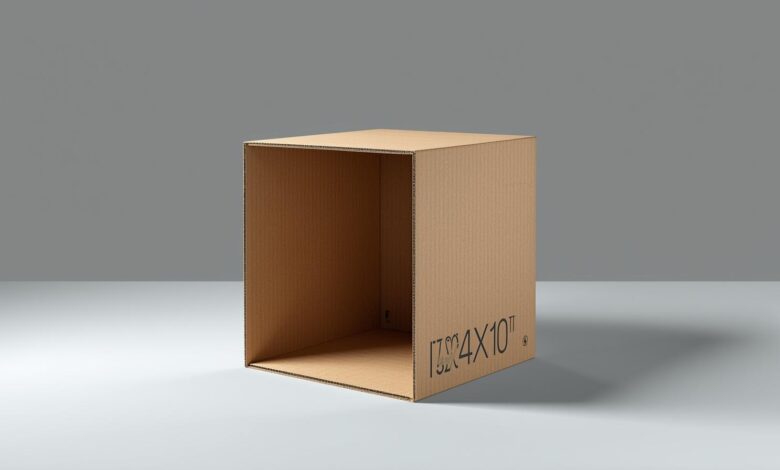
The structural performance of corrugated boxes depends heavily on the relationship between length, width, and height dimensions. When these measurements approach certain ratios, the box gains inherent stability that reduces the likelihood of failure under normal handling stress. A 15x15x4 box double wall configuration exemplifies this principle, creating a low-profile container where the square base provides excellent compression resistance while the shallow height minimizes sidewall buckling.
This dimensional relationship works because corrugated material performs differently under various types of stress. The fluted structure excels at resisting forces applied perpendicular to the surface, but becomes vulnerable when subjected to buckling forces along tall vertical panels. By maintaining a 4-to-15 height-to-width ratio, the design keeps sidewalls within their optimal performance range while maximizing the load-bearing capacity of the base.
Edge Crush Strength and Panel Interaction
The performance of any corrugated box ultimately depends on how effectively the edges transfer loads between adjacent panels. In double wall construction, this becomes particularly important because the increased material thickness changes how forces distribute around corners and seams. The square base configuration ensures that corner loads distribute evenly across all four edges rather than concentrating stress on shorter panels.
When one panel fails in a rectangular box, the remaining panels must absorb additional stress, often leading to cascading failure. Square designs distribute this secondary loading more effectively, maintaining structural integrity even when individual panels experience localized damage. This redundancy becomes crucial in shipping environments where boxes experience impacts from multiple directions.
Height Optimization for Compression Performance
The shallow profile of a 15x15x4 configuration serves a specific engineering purpose beyond maximizing cubic efficiency. Corrugated panels lose compression strength exponentially as their unsupported height increases, following principles similar to column buckling in structural engineering. By keeping the height at approximately one-quarter of the base dimension, the design maintains panel stability under vertical loads.
This height limitation becomes particularly important when boxes are stacked during storage or transport. Each layer in a stack must support not only its contents but also the weight of all layers above. Taller boxes with the same base dimensions would buckle under identical loads, making the shallow profile essential for maintaining stack integrity.
Double Wall Construction and Load Distribution
Double wall corrugated material changes how forces move through box walls compared to single wall alternatives. The additional layer creates a composite structure where outer and inner walls can share loads while maintaining some independence of movement. This allows the material to absorb energy from impacts without immediately transferring all force to the contents.
The air gap between walls in double wall construction also provides thermal insulation and vibration dampening properties that single wall material cannot match. These characteristics become important when shipping sensitive electronics, precision components, or temperature-sensitive materials that could be damaged by environmental fluctuations during transport.
Material Thickness and Puncture Resistance
The increased material thickness in double wall construction significantly improves puncture resistance compared to single wall alternatives. This protection becomes critical when boxes are handled by automated sorting equipment or stored in environments where sharp objects could contact the packaging. The redundant structure means that even if the outer wall sustains damage, the inner wall continues providing protection.
Research conducted by packaging engineers has shown that puncture resistance increases non-linearly with material thickness, meaning double wall construction provides more than twice the protection of single wall material. This enhanced durability reduces the risk of product contamination or damage from external objects penetrating the package during handling.
Seam Strength and Assembly Considerations
Double wall material requires different adhesive and closure strategies compared to single wall alternatives. The increased thickness affects how tape adheres to surfaces and how folding stresses distribute along seam lines. Proper assembly techniques become crucial for realizing the full strength potential of the double wall construction.
The manufacturing process for double wall corrugated involves bonding multiple layers under controlled temperature and pressure conditions, creating a composite material with properties distinct from its individual components. According to the Wikipedia entry on corrugated fiberboard, this lamination process allows manufacturers to optimize each layer for specific performance characteristics while maintaining overall structural integrity.
Applications Where Dimensional Precision Matters
Certain shipping applications demand precise dimensional control to ensure compatibility with automated handling systems and storage equipment. The 15x15x4 dimension creates a package that fits efficiently into standard shipping containers while maintaining compatibility with most conveyor systems and sorting equipment.
Industries that frequently ship flat or low-profile products benefit particularly from this dimensional approach. Electronics manufacturers often need to ship circuit boards, displays, or similar components that require protection from flexing but do not need significant vertical space. The shallow box profile provides adequate protection while minimizing dimensional weight charges from shipping carriers.
Automotive Parts and Component Shipping
Automotive suppliers frequently ship gaskets, filters, electronic modules, and similar components that benefit from the combination of double wall protection and optimized dimensions. These parts often have high value relative to their size but remain vulnerable to damage from impacts or compression during transport. The enhanced protection of double wall construction justifies the additional material cost while the dimensional efficiency keeps shipping costs reasonable.
The automotive industry’s emphasis on just-in-time delivery makes packaging reliability particularly important. A damaged shipment can halt production lines, creating costs far exceeding the value of the individual components. This makes the enhanced protection of double wall construction a form of insurance against supply chain disruption.
Industrial Hardware and Precision Components
Manufacturers of precision hardware, measuring instruments, and similar products often require packaging that prevents both impact damage and contamination. The double wall construction provides physical protection while the optimized dimensions allow for efficient protective padding placement around irregular-shaped components.
These applications often involve components with tight tolerances that cannot be restored if damaged during shipping. The investment in enhanced packaging protection becomes cost-effective when compared to the expense of manufacturing replacement parts and managing customer dissatisfaction from damaged shipments.
Cost-Performance Analysis in Packaging Selection
The decision to use double wall construction involves balancing material costs against potential damage costs and shipping efficiency. Double wall material typically costs significantly more than single wall alternatives, but this investment may be justified when shipping high-value or damage-sensitive products.
The dimensional efficiency of the 15x15x4 configuration helps offset some of the material cost increase by reducing shipping expenses. Carriers often charge based on dimensional weight calculations that can make oversized packages expensive to ship regardless of their actual weight. The optimized dimensions help ensure that shipping costs remain proportional to the actual space and weight requirements.
Long-term Reliability Considerations
Packaging failures create costs beyond the immediate product replacement expenses. Customer satisfaction, return processing, warranty claims, and reputation management all factor into the total cost of packaging decisions. Double wall construction reduces the probability of these secondary costs by providing enhanced protection during normal handling.
Companies that track packaging performance metrics often find that the reduced failure rate of double wall construction justifies the additional material expense through lower total cost of ownership. This becomes particularly important for companies shipping high-value products or serving quality-sensitive markets where packaging failures can damage long-term customer relationships.
Conclusion
The engineering principles behind corrugated box design reveal why certain dimensional combinations consistently outperform alternatives in real-world applications. The 15x15x4 double wall configuration represents an optimal balance between structural efficiency, material utilization, and practical shipping constraints. Understanding these relationships helps operations managers make informed packaging decisions that protect products while controlling costs.
The science of corrugated strength demonstrates that packaging selection involves more than simple cost comparison. The interaction between dimensions, material construction, and application requirements creates performance differences that can significantly impact overall operational success. By considering these engineering factors alongside traditional cost metrics, companies can develop packaging strategies that enhance reliability while maintaining economic efficiency.