7 Critical LDPE vs HDPE Plastic Bag Differences That Impact Your Product Safety (US Manufacturing Guide)
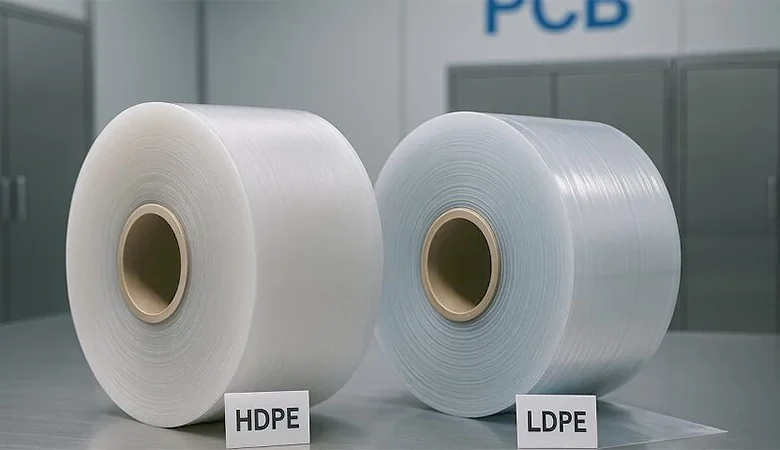
Manufacturing and packaging decisions often hinge on material properties that appear minor but create significant downstream effects. The choice between low-density polyethylene and high-density polyethylene bags represents one such decision point where subtle chemical and structural differences translate into measurable impacts on product protection, handling requirements, and operational consistency.
Both materials serve essential roles in industrial packaging, but their distinct molecular structures create performance characteristics that make each suitable for different applications. Understanding these differences becomes critical when product safety, regulatory compliance, or supply chain reliability cannot be compromised. The wrong material choice often reveals itself through product damage, contamination issues, or handling failures that could have been prevented through proper material selection.
The following examination focuses on seven operational differences that directly affect product safety and packaging performance, providing the context needed for informed material decisions in manufacturing environments.
Material Density and Molecular Structure Create Distinct Performance Profiles
The fundamental difference between these polyethylene variants lies in their molecular architecture, which determines how the material behaves under stress, temperature changes, and chemical exposure. Low-density polyethylene features branched molecular chains that create space between polymer strands, resulting in a flexible, translucent material with excellent impact resistance. High-density polyethylene, conversely, consists of linear molecular chains that pack closely together, producing a rigid, opaque material with superior chemical resistance.
These structural differences directly influence packaging performance in manufacturing environments. LDPE poly bags demonstrate superior flexibility and tear resistance, making them suitable for applications where the packaging must conform to irregular shapes or withstand repeated handling without failure. Their ability to stretch without breaking provides a safety margin when products shift during transport or storage.
HDPE bags offer greater puncture resistance and dimensional stability, characteristics that become critical when packaging sharp objects or maintaining precise container shapes. The material’s rigidity ensures consistent performance under load, but this same property can lead to brittle failure when subjected to impact forces that would not affect LDPE materials.
Impact Resistance and Flexibility Under Stress
The branched structure of LDPE creates material behavior that absorbs energy through deformation rather than crack propagation. This characteristic proves essential when packaging products that generate internal pressure, experience temperature fluctuations, or require protection during rough handling. The material’s ability to return to its original shape after deformation helps maintain package integrity over extended periods.
HDPE’s linear structure provides strength through rigidity but limits the material’s ability to accommodate stress without permanent deformation. While this property offers advantages in applications requiring dimensional stability, it can create vulnerability when packages encounter unexpected forces or environmental changes that exceed the material’s elastic limits.
Chemical Resistance and Environmental Stability
The tight molecular packing in HDPE creates a barrier that resists chemical penetration more effectively than LDPE’s looser structure. This resistance extends to oils, solvents, and many industrial chemicals, making HDPE bags suitable for applications where chemical compatibility determines product safety. The material maintains its properties when exposed to substances that might soften or degrade other packaging materials.
LDPE demonstrates lower chemical resistance but offers better performance in cold temperature environments where brittle failure becomes a concern. The material’s flexibility at low temperatures prevents the cracking and splitting that can compromise package integrity in refrigerated storage or cold climate shipping conditions.
Thickness Requirements Differ Based on Application Demands
Material selection directly impacts the thickness requirements needed to achieve specific performance targets. LDPE bags typically require greater thickness to match the puncture resistance of thinner HDPE alternatives, but this increased thickness often provides benefits in tear resistance and overall durability that cannot be achieved through material substitution alone.
The relationship between thickness and performance creates trade-offs that affect both material costs and packaging functionality. Thicker LDPE bags offer superior protection against impact damage and provide better conformity to product shapes, characteristics that reduce the risk of damage during handling and transport. However, the increased material usage affects both cost considerations and environmental impact calculations.
HDPE bags achieve high strength at reduced thickness levels, offering material efficiency advantages in applications where rigidity and puncture resistance take priority over flexibility. The thinner profile reduces storage space requirements and shipping weights while maintaining protective capabilities for compatible products.
Puncture Resistance vs Tear Propagation
HDPE’s molecular structure provides excellent initial resistance to puncture forces, making it suitable for packaging items with sharp edges or corners that might penetrate weaker materials. Once puncture occurs, however, the material’s tendency toward brittle failure can result in rapid tear propagation that compromises the entire package.
LDPE exhibits lower puncture resistance but demonstrates superior tear propagation control. Small punctures or tears tend to remain localized rather than spreading across the material, often allowing packages to maintain their protective function even after minor damage occurs. This characteristic proves particularly valuable in applications where packages experience repeated stress or handling throughout their service life.
Temperature Performance Affects Product Safety Parameters
Environmental temperature conditions create different performance demands that directly influence material selection for product safety applications. LDPE maintains flexibility and impact resistance across a wider temperature range, particularly at lower temperatures where many materials become brittle and prone to failure.
The material’s performance in cold environments makes it suitable for frozen food packaging, medical device storage, and outdoor applications where temperature fluctuations cannot be controlled. LDPE bags continue to provide reliable protection in conditions that would cause HDPE materials to become brittle and susceptible to cracking.
HDPE demonstrates excellent performance at elevated temperatures where LDPE begins to soften and lose structural integrity. The material maintains dimensional stability and chemical resistance at temperatures that would compromise alternative packaging solutions, making it appropriate for applications involving heat processing or high-temperature storage requirements.
Thermal Expansion and Contraction Effects
Temperature changes affect both materials differently due to their molecular structures and density characteristics. LDPE’s flexibility allows accommodation of thermal expansion without generating internal stresses that might lead to package failure, while HDPE’s rigidity can create stress concentration points during temperature cycling.
These thermal properties influence long-term package integrity in applications where products experience temperature variations during storage or distribution. Understanding thermal behavior becomes critical when establishing package specifications that must maintain product safety across diverse environmental conditions.
Barrier Properties Influence Contamination Control
The molecular structure differences between LDPE and HDPE create distinct barrier characteristics that affect their suitability for applications requiring contamination control. HDPE’s tight molecular packing provides superior resistance to moisture vapor transmission and chemical permeation, characteristics essential for maintaining product integrity in sensitive applications.
These barrier properties make HDPE bags appropriate for packaging products susceptible to moisture damage, chemical contamination, or odor transfer. The material’s resistance to permeation helps maintain controlled environments within packages, reducing the risk of product degradation during storage or transport.
LDPE offers adequate barrier properties for many applications while providing processing advantages that affect package seal integrity and overall contamination control. The material’s heat sealing characteristics create reliable closures that resist contamination entry, even when barrier properties alone might not match HDPE performance levels.
Moisture and Oxygen Transmission Rates
HDPE’s molecular density creates effective barriers against moisture and oxygen transmission, properties that directly affect product shelf life and safety in food packaging applications. The FDA recognizes both materials as suitable for food contact applications, but transmission rates influence their specific applications within food packaging systems.
LDPE’s higher transmission rates may prove acceptable or even beneficial in applications requiring controlled gas exchange or moisture equilibration. Understanding these characteristics helps prevent over-engineering barrier properties that might interfere with product requirements while ensuring adequate protection against contamination.
Processing and Seal Integrity Characteristics
Manufacturing processes and seal formation requirements create practical considerations that influence material selection beyond basic physical properties. LDPE’s processing characteristics facilitate consistent heat sealing across wider temperature and time ranges, reducing the risk of seal failures that could compromise product safety.
The material’s lower melting point and broader sealing window provide manufacturing flexibility that helps maintain consistent package integrity during production. This consistency reduces the likelihood of defective packages reaching end users, supporting quality control objectives and product safety requirements.
HDPE requires more precise processing controls to achieve reliable seals, but the resulting closures often demonstrate superior strength and environmental resistance. The processing requirements demand greater attention to temperature and timing parameters, but successful sealing creates packages with excellent long-term integrity.
Heat Sealing Temperature Sensitivity
LDPE’s molecular structure creates forgiving heat sealing characteristics that accommodate variations in equipment settings and environmental conditions. This tolerance helps maintain seal quality across production runs and reduces the risk of weak seals that might fail during product handling or distribution.
HDPE’s sealing requirements demand greater process control but reward proper technique with superior seal strength and durability. Understanding these processing differences ensures appropriate equipment selection and parameter optimization for reliable package closure regardless of material choice.
Cost Implications Beyond Raw Material Pricing
Material selection decisions involve cost considerations that extend beyond basic resin pricing to include processing requirements, thickness optimization, and failure-related expenses. LDPE’s processing flexibility often reduces manufacturing costs through improved yield rates and reduced waste from processing errors.
The material’s forgiving nature during converting operations reduces the likelihood of production disruptions and material waste, factors that significantly impact total packaging costs in high-volume manufacturing environments. These operational efficiencies can offset higher per-pound material costs in applications where processing consistency takes priority.
HDPE’s material efficiency advantages become apparent in applications where thinner gauges provide adequate performance, reducing both material consumption and shipping costs. The cost benefits increase in applications where the material’s superior barrier properties eliminate the need for additional protective measures or secondary packaging.
Total Cost of Ownership Considerations
Evaluating material costs requires consideration of package failure rates, product damage prevention, and long-term storage performance. LDPE’s durability characteristics may justify higher material costs through reduced product loss and improved customer satisfaction in applications where package integrity directly affects product value.
HDPE’s efficiency in specific applications can create cost advantages that extend throughout the supply chain, particularly in applications where barrier properties, dimensional stability, or chemical resistance prevent costly product quality issues.
Regulatory Compliance and Safety Standards
Both materials meet essential safety standards for most packaging applications, but specific regulatory requirements may favor one material over another based on application-specific performance criteria. Food contact regulations, medical device packaging standards, and industrial safety requirements create frameworks that influence appropriate material selection.
LDPE’s flexibility and impact resistance make it suitable for applications where package failure could create safety hazards through sharp edges or sudden product release. The material’s behavior under stress helps prevent dangerous failure modes that could affect user safety during package opening or handling.
HDPE’s chemical resistance and dimensional stability support compliance with regulations requiring specific barrier properties or container performance standards. The material’s predictable behavior under controlled conditions helps ensure consistent compliance with regulatory requirements across production runs.
Industry-Specific Performance Requirements
Medical device packaging often requires materials that maintain sterility barriers while providing easy access to contents. LDPE’s tear characteristics and sealing properties support packaging designs that balance protection with controlled opening features necessary for sterile technique maintenance.
Industrial applications may prioritize chemical resistance and dimensional stability over flexibility, making HDPE more suitable for packaging items that require predictable container performance in challenging environments. Understanding these application-specific priorities guides appropriate material selection for compliance and performance objectives.
Conclusion
The choice between LDPE and HDPE packaging materials requires careful evaluation of application-specific performance requirements rather than general material preferences. Each material offers distinct advantages that align with different operational priorities, from impact resistance and flexibility to chemical resistance and dimensional stability.
Successful material selection balances immediate performance needs with long-term operational considerations, including processing requirements, cost implications, and regulatory compliance demands. Understanding the seven critical differences outlined above provides the foundation for informed decisions that support both product safety objectives and operational efficiency requirements.
The most effective approach involves matching material characteristics to specific application demands rather than attempting to identify a universally superior option. Both LDPE and HDPE serve essential roles in modern packaging systems, and their continued development ensures that appropriate solutions remain available for evolving industrial requirements.