Treating “Gummy Smiles” With Periodontic Techniques
A “gummy smile” can feel embarrassing. You might avoid photos. You might hide your mouth when you laugh. You do not need to live with that stress. A periodontist focuses on the gums and the bone that support your teeth. That training gives you options that many people never hear about. A periodontist in Los Angeles, CA can reshape extra gum tissue, reveal more tooth structure, and create a natural-looking smile line. These techniques do not just change how you look. They also help you clean your teeth better and protect your gums from future problems. You deserve a smile that feels calm and confident. You also deserve clear facts about what treatment involves, how long it takes, and what you feel during recovery. This blog explains those steps so you can face the next move with steady, informed control.
What Is A “Gummy Smile”
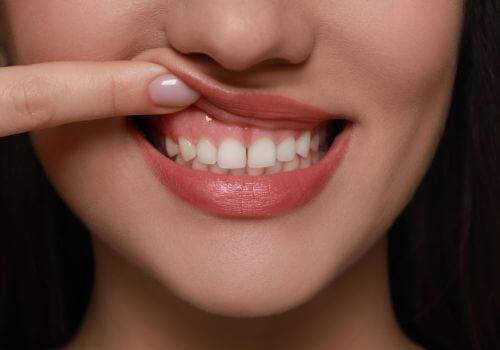
A gummy smile means you show a large band of gum above your upper teeth when you smile. You might feel that your teeth look short. You might feel that your gums draw attention away from your face.
Common causes include three main things.
- Extra gum tissue that covers the upper teeth
- Upper lip that lifts too high when you smile
- Upper jaw that grew longer than average
Each cause needs a different plan. That is why an exam matters. You need a clear diagnosis before you choose treatment.
Why Treatment Matters For Health And Comfort
Gummy smile care is not only about looks. It also affects how you clean your teeth and how your bite works.
Extra gum tissue can trap food. It can make brushing and flossing hard. That raises your risk of gum swelling and bone loss. The National Institute of Dental and Craniofacial Research explains that deep pockets around teeth can lead to loose teeth and pain.
After gum reshaping, you can reach the edges of your teeth more easily. You can remove sticky plaque before it hardens. That protects your gums, bone, and breath.
How A Periodontist Evaluates A Gummy Smile
During your visit, the periodontist will focus on three key checks.
- Measure how much gum shows when you smile
- Measure the true length of your teeth under the gum
- Review X-rays to see bone height around your teeth
You might also answer questions about grinding, jaw pain, and past orthodontic care. The goal is a full picture of your mouth so your treatment fits you, not a guess.
Common Periodontic Techniques For Gummy Smiles
Several methods can reduce a gummy smile. Each one fits a different cause and level of gum show.
Comparison Of Common Gummy Smile Treatments
| Treatment | Main Purpose | Best For | Typical Healing Time | Usual Anesthesia Type |
|---|---|---|---|---|
| Crown lengthening | Remove extra gum and shape bone | Short looking teeth from extra gum | About 1 to 2 weeks for daily comfort | Local numbing in the mouth |
| Gingivectomy | Trim gum tissue only | Mild extra gum with healthy bone | About 1 week for mild soreness | Local numbing in the mouth |
| Lip repositioning surgery | Limit how high the lip lifts | Normal gums with very high lip | About 1 to 2 weeks for stitches | Local numbing, sometimes light sedation |
| Orthognathic surgery | Reposition upper jaw | Severe jaw growth problems | Several weeks for early recovery | General anesthesia in hospital |
Crown Lengthening Step By Step
Crown lengthening is one of the most common treatments. You see it used for both gummy smiles and for teeth that need crowns.
During the visit, you can expect three stages.
- The periodontist numbs your gums so you stay comfortable.
- The gum line is reshaped. In some spots, the bone around the tooth is also smoothed.
- The gums are placed in a new position and stitched.
You leave with a lower gum line and more tooth showing. You also leave with clear written instructions for care at home.
What You Feel During And After Treatment
Local numbing blocks pain during gum surgery. You might feel gentle pressure. You should not feel sharp pain. If you do, you can tell the periodontist right away, so more numbing is given.
After the visit, you can expect three common symptoms.
- Soreness that responds to the medicine your dentist suggests
- Mild swelling near the treated teeth
- Light spotting of blood on your toothbrush for a short time
You might eat soft foods for a few days. You might use a special mouth rinse. The Centers for Disease Control and Prevention stresses that daily cleaning and regular visits support healing and long-term gum health.
Home Care After Gummy Smile Treatment
Strong healing starts with simple habits.
- Use the prescribed rinse as directed.
- Brush the rest of your teeth twice a day with a soft brush.
- Avoid brushing the stitches until your periodontist clears you.
- Skip smoking or vaping, which can slow healing.
- Choose cool, soft foods like yogurt, eggs, and cooked vegetables.
You also need follow-up visits. The periodontist will check your gum line and remove stitches. You can ask questions about any strange feelings or worries.
How To Talk With Your Periodontist
Clear questions help you feel in control. You can bring a short list that covers three themes.
- Cause. Ask what is causing your gummy smile and how that was measured.
- Plan. Ask which treatment is recommended and what other options exist.
- Recovery. Ask how long healing lasts and when you can return to full brushing and normal food.
You can also ask to see before and after photos of similar cases. That helps you set realistic expectations for your own smile.
Taking Your Next Step
You do not need to keep hiding your smile. Periodontic techniques offer clear, tested ways to reshape your gums, protect your teeth, and ease daily care. With the right plan, you gain more than a new smile. You gain comfort during every laugh, meal, and photo. You can start by seeking an exam with a trusted periodontist and asking direct questions about your options.