Maintaining Structural Stability in Offshore Wind Farms
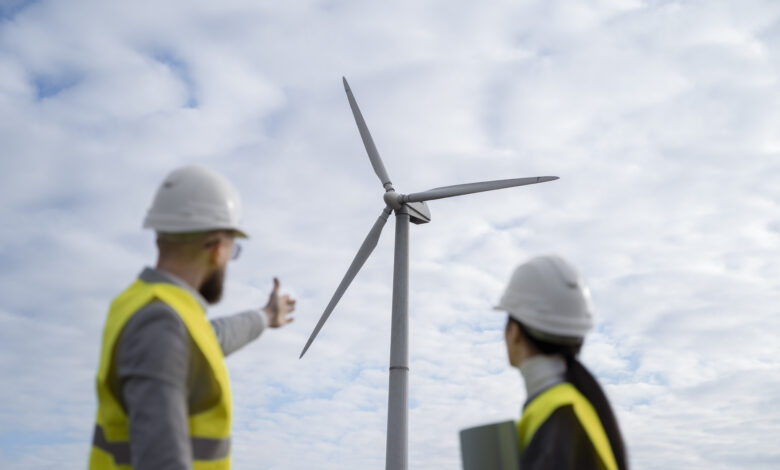
Offshore wind farms are monumental achievements of modern engineering, harnessing the relentless power of ocean winds to generate clean energy. However, the very environment that makes these farms so productive—the harsh, unforgiving marine ecosystem—poses constant threats to their physical integrity. With global offshore wind capacity expected to surge by over 260 gigawatts by 2030, safeguarding these colossal structures has never been more critical.
Ensuring structural stability not only maximizes energy output but also protects billion-dollar investments. In this comprehensive guide, you will discover the fundamental strategies required to maintain the structural integrity of offshore wind farms, equipping you with practical insights to combat the unique challenges of the marine environment.
1. Implement Advanced Corrosion Protection Systems
The continuous exposure to saltwater, sea spray, and humid marine air creates a perfect storm for rapid metal degradation. Corrosion is arguably the most pervasive enemy of offshore structural stability, accounting for up to 60% of ongoing maintenance costs in the offshore wind sector. If left unaddressed, rust can compromise the structural load-bearing capacity of turbine towers and transition pieces, leading to catastrophic failures. To combat this, operators rely on a combination of highly durable protective coatings and cathodic protection systems, such as sacrificial anodes or impressed current cathodic protection (ICCP).
Tip: Conduct visual and electrochemical inspections of your cathodic protection systems at least biannually. Ensure that any compromised protective coatings are reapplied immediately during scheduled summer maintenance windows to prevent accelerated winter degradation.
2. Utilize Predictive Maintenance and Continuous Monitoring
Reactive maintenance—fixing things only after they break—is an incredibly costly approach when dealing with assets located miles out at sea. Modern offshore wind farm management relies heavily on continuous monitoring and predictive maintenance. By outfitting turbines and foundations with a network of advanced sensors, operators can track vibration, strain, temperature, and acoustic emissions in real-time. This data feeds into digital twin technology, which creates a virtual replica of the physical asset. Studies indicate that employing predictive maintenance utilizing digital twins can reduce unexpected structural failures by as much as 25%, drastically improving overall farm efficiency.
Tip: Integrate your sensor data with machine learning algorithms capable of detecting microscopic anomalies in vibration patterns. This allows your engineering team to address fatigue in structural components months before a visible crack ever forms.
3. Prioritize High-Quality Welding and Fabrication
The foundation of any offshore wind turbine, whether it is a monopile, a jacket foundation, or a floating platform, is only as strong as its connections. These massive steel structures are subjected to immense, continuous hydrodynamic and aerodynamic loads. A single flawed joint can ripple into massive structural instability during extreme weather events. Ensuring flawless joining of these massive steel components requires unparalleled precision. Utilizing top-tier welding engineering services during the manufacturing and repair phases guarantees that all structural joints meet the rigorous standards required to endure decades of oceanic stress.
Tip: Implement non-destructive testing (NDT) methods, such as phased array ultrasonic testing, for all critical structural welds. Make this a mandatory step not just during initial fabrication, but also during any major offshore repair operations.
4. Perform Routine Subsea Inspections
While the towering blades command the most attention, the most vulnerable portion of an offshore wind turbine often lies beneath the waves. Scour—the removal of sediment around the foundation caused by fast-moving ocean currents—can severely undermine a turbine’s stability. In extreme cases, scour can remove several meters of essential seabed support, leaving the structure dangerously unsupported. Additionally, marine growth like barnacles and algae adds unintended weight and hydrodynamic drag to the submerged infrastructure.
Tip: Deploy remotely operated vehicles (ROVs) or autonomous underwater vehicles (AUVs) to conduct routine subsea inspections without risking human divers. Prioritize these inspections immediately following major storm systems to swiftly identify and remediate dangerous scour pits using rock dumping techniques.
5. Optimize Blade and Rotor Balance
Structural stability is not just about the foundation; it is deeply intertwined with the aerodynamics of the turbine itself. The massive blades, which can exceed 100 meters in length, must be perfectly balanced. Any aerodynamic or mass imbalance creates excessive vibrations that travel down the entire tower, accelerating structural fatigue in the nacelle, tower, and foundation. Industry data highlights that even a minor 1% mass imbalance can reduce the operational lifespan of critical structural components by several years.
Tip: Utilize high-resolution, drone-based optical inspections to frequently check for leading-edge erosion on the blades. Repairing minor surface damage promptly ensures the rotor remains aerodynamically balanced, significantly reducing unnecessary vibrational stress on the tower infrastructure.
Maintaining the structural stability of offshore wind farms is an ongoing, complex endeavor that requires vigilance, advanced technology, and a proactive mindset. From the tip of the spinning blades to the deepest subsea foundations, every element of an offshore turbine is subjected to relentless environmental stress.
By implementing comprehensive corrosion protection, relying on predictive analytics, prioritizing high-quality manufacturing standards, conducting thorough underwater inspections, and keeping rotors perfectly balanced, operators can secure the longevity of their assets. As the renewable energy landscape continues to expand into deeper and more turbulent waters, these meticulous maintenance strategies will remain the bedrock of sustainable, efficient, and safe offshore wind generation.