Past CBD: The Lesser-Known Plant-Based Wellness Categories Building a Following
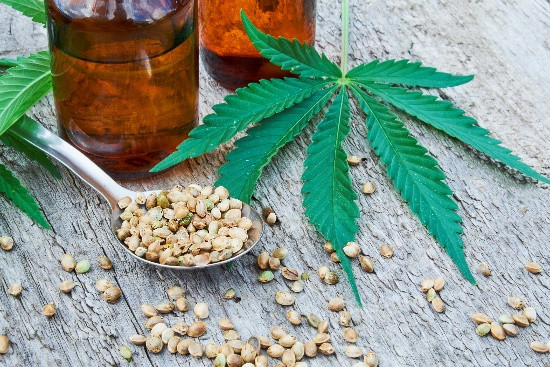
CBD did something nobody expected. Half a decade back, most shoppers couldn’t name a botanical wellness product that hadn’t been on their grandmother’s shelf. Walk into Boots today and CBD oil is in the supplement aisle. Yoga teachers casually mention it. The vitamin shop down the road stocks five brands. The barrier to trying botanical alternatives quietly collapsed.
What’s interesting is what’s happening behind that shift. CBD was the door. Several categories are walking through it now, building loyal followings without the marketing budgets that put CBD on every high street. Most aren’t new – they’ve been used for centuries in traditional medicine across Asia, Africa, and the Americas. What’s new is the consumer packaging and the willingness of mainstream wellness shoppers to try them.
Adaptogens: The Slow-Burn Category
The adaptogen category covers a handful of plants – ashwagandha, rhodiola, holy basil, reishi among them – that work on the body’s stress response over weeks rather than hitting you with anything noticeable on day one.
The expectations are the catch. Expecting an immediate hit is the mistake. Most people who try adaptogens for a week and feel nothing dismiss the category entirely. The ones who commit for two months describe something subtler – a baseline that holds, fewer 3pm crashes, less reactivity to whatever’s gone wrong at work that day. Not dramatic. Just steadier.
Ashwagandha gets used for sleep and cortisol. Rhodiola for mental fatigue. Holy basil sits in tea aisles now, which it didn’t five years ago.
Functional Mushrooms: Past the Hype
Lion’s mane. Cordyceps. Chaga. Reishi. The functional mushroom category has crept into the wellness aisle in every format imaginable – ground into coffee blends, dropped into tinctures, packed into capsules, blended into smoothie powders.
The research is mixed but interesting. Lion’s mane gets the most attention for cognitive function. The effects show up slowly, if at all, but there’s something there. Cordyceps tends to land in pre-workout-style stacks for endurance. Reishi gets billed as the calming one – frequently paired with adaptogens in sleep formulas.
Quality is all over the place. Budget brands tend to grow mycelium on grain and bottle that rather than the fruiting body, which gives you a sliver of the active compounds compared to the real thing. The label matters here more than in most categories.
Kratom: The Category Most People Haven’t Looked Into
Kratom comes from Mitragyna speciosa, a tree growing wild across Southeast Asia. Local labourers and farmers have chewed the leaves – or brewed them as tea – for as long as anyone has kept records, either for an energy boost during long shifts or for a wind-down after them, depending on the strain harvested.
The format defining the category has shifted in the past few years. Where kratom five years ago was dominated by loose powder that nobody really enjoyed taking, the current market is moving toward a kratom tincture format that allows precise dosing by the millilitre, with predictable absorption and no mess. Different strains also produce noticeably different effects – some closer to a stimulant, others closer to a relaxant – which gives people more control over what they’re using it for.
A few honest caveats: kratom isn’t approved as a supplement in most regulatory environments, research is limited compared to CBD, and dependence is a real consideration with regular use. The UK classifies it under the Psychoactive Substances Act, which restricts sale though personal possession sits in a grey area. Casual daily use tends to end badly. Occasional intentional use tends not to.
Kava: The Social-Use Botanical
Kava is the prepared root of Piper methysticum, and it’s been a fixture of social gatherings across Pacific Islander cultures for more than three millennia. Brewed as a drink, it produces a mild, sociable kind of relaxation. The closest comparison most newcomers reach for is a glass of wine – nothing like a pharmaceutical sedative.
Kava bars exist in major UK cities now, modelled on the café culture that grew in the US over the past decade. Most of the appeal comes from absences. No hangover the next morning. No calories. At sensible doses, no real impact on memory or motor control. The growing crowd of people cutting back on alcohol keeps stumbling across it.
The Format Shift Across All These Categories
Tinctures are quietly becoming the dominant format across most of these botanicals. Droppers allow precise dosing in a way that capsules and powders never could. Two millilitres versus three is a real difference. Splitting a capsule isn’t realistic. Measuring half a teaspoon of powder is messier than it sounds.
This is producing more thoughtful use. People are titrating their dose to what works for them, rather than following a one-size suggestion on a label.
What to Know Before You Try Any of Them
These aren’t drugs. They’re plants with real effects, used by humans for centuries, now packaged in formats designed for consistent dosing. That deserves respect.
Research the category before buying. Stick with vendors that post their third-party lab work publicly. Begin with doses smaller than what the label recommends. Wait between sessions to evaluate what you’re feeling. And don’t stack multiple new botanicals at once – you won’t know which one is doing what.
Where This Is Headed
Shoppers in the wellness aisle have grown more particular about what they want from a bottle. Something that does more than a multivitamin. Something gentler than a prescription. Botanical rather than lab-built. CBD opened the gate. The categories walking through behind it are quieter, smaller, and quite a bit more interesting.