Why Garage Door Repair Los Angeles Searches Focus On Smart Opener Compatibility
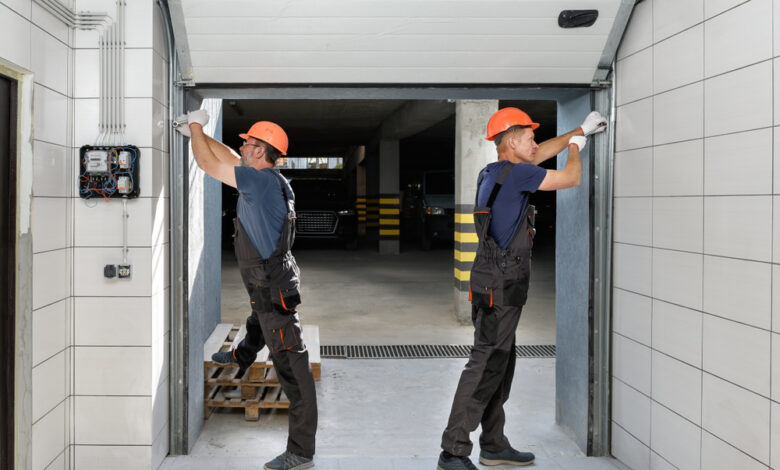
Smart garage opener compatibility has become a real repair issue, not just a tech preference. In Los Angeles homes, older garage doors, aging motors, weak WiFi zones, app-based controls, and vehicle integrations often have to work together every day. When one piece falls out of sync, the door may open late, reverse unexpectedly, ignore commands, or strain the opener. That is why many homeowners searching for garage door repair Los Angeles now ask whether their existing system can handle modern smart features.
Why Los Angeles Homeowners Are Upgrading Smart Garage Openers In 2026
Garage doors are no longer treated as simple entry points. For many Los Angeles homeowners, the garage is connected to the house, stores valuable tools, protects vehicles, and often works as a daily entrance. That is why smart opener upgrades are becoming more common in 2026.
Homeowners want remote control, real-time alerts, camera visibility, delivery access, vehicle syncing, and automatic closing reminders. These features help reduce the “Did I leave the garage open?” worry that many families know too well.
Market reports continue to show strong demand for smart garage door opener and controller systems. One 2026 market analysis projects the global smart garage opener and controller market to grow from about $0.78 billion in 2026 to $1.78 billion by 2035, with WiFi-based and Bluetooth-based systems included as major segments.
Why Compatibility Matters Before The Upgrade
A smart opener is only as reliable as the door it operates. If the garage door is heavy, unbalanced, off track, or running on worn rollers, smart controls will not fix the mechanical strain. In fact, automation can make hidden problems easier to notice because homeowners expect fast, smooth response every time.
Los Angeles homes also vary widely. Some properties have older sectional doors, detached garages, converted garage spaces, narrow driveways, or opener units installed years before smartphone control became standard. That mix creates different compatibility questions.
| Compatibility Area | What Homeowners Want | What Can Go Wrong |
| Phone App Control | Open and close from anywhere | App permissions or outdated firmware |
| WiFi Opener | Reliable remote access | Weak signal near the garage |
| Safety Sensors | Smooth closing and alerts | Misalignment or false obstruction signals |
| Vehicle Sync | Dashboard garage control | Pairing issues with older openers |
| Battery Backup | Operation during outages | Weak battery or unsupported opener model |
Common Compatibility Problems Between Older Doors And New Openers
Many compatibility problems start with the physical garage door, not the smart opener. A new WiFi-enabled motor may be capable, but it still has to pull the same door, move the same rollers, follow the same tracks, and depend on the same spring system.
Older doors may have worn hinges, bent tracks, stretched cables, weak torsion springs, or panels that no longer sit square. These issues add resistance. When resistance increases, the opener works harder, force settings become less predictable, and smart automation may respond inconsistently.
In practical terms, the app may say the door is closing, but the system may reverse because the safety sensors detect resistance. Or the opener may time out because the door does not travel as smoothly as the motor expects.
Common Questions Homeowners Ask
Los Angeles homeowners often ask whether they can add a smart opener to an existing garage door. The answer is usually yes, but the system should be inspected first. Manufacturer compatibility can also matter. For instance, Chamberlain’s support notes that some smart garage controls are designed for openers manufactured after 1993 with a program or learn button.
Key inspection points include:
- Door balance and spring tension
- Track alignment and roller condition
- Safety sensor wiring and placement
- Opener horsepower and drive type
- Wall control and learn-button compatibility
- Available outlet and backup battery support
Why Mechanical Condition Comes First
A smart opener upgrade should not be treated like swapping a phone charger. Garage doors are heavy moving systems. A typical residential door can weigh hundreds of pounds depending on size, insulation, glass, and material. The opener guides movement, but the spring system carries the real load.
If the spring system is tired, the opener may strain even with smart controls installed correctly. That can shorten motor life, cause noise, and create unreliable operation. A technician should confirm that the door can move smoothly before adding WiFi control, camera modules, or vehicle integration.
Why Phone Apps Stop Communicating With Garage Systems
When a garage door app stops working, homeowners often blame the opener right away. Sometimes that is correct, but many communication issues come from the phone, router, permissions, cloud account, or software update.
Smart garage apps need permission to send notifications, run in the background, use location services, and communicate through WiFi or cellular data. If an operating system update changes those permissions, the app may stop sending reliable commands.
This is especially common when homeowners switch phones, update privacy settings, change routers, or move to a new smart-home platform. The opener may still work from the wall button or handheld remote, but the phone loses control.
Platform Changes Are Affecting Compatibility
Smart-home compatibility is also changing. Some garage opener ecosystems are more closed, while others are moving toward broader interoperability. Home Assistant reported in 2023 that the myQ integration was removed after Chamberlain Group restricted unauthorized third-party use of its ecosystem; Chamberlain said the move was intended to improve performance and reliability for its users and authorized partners.
That matters because many Los Angeles homeowners use multiple smart platforms, including Apple Home, Google Home, Alexa, vehicle dashboards, cameras, smart locks, and security systems. When a platform changes its compatibility rules, the garage system may require a different setup.
What Usually Restores Communication
The fix depends on the source of the failure. A technician may check the opener first, but the repair path often includes router testing, app reset, firmware review, sensor inspection, and account reconnection.
The most common causes include weak WiFi near the garage, expired login sessions, disabled notifications, firmware mismatch, outdated opener hardware, and overloaded smart-home routines.
Newer smart-home standards are also expanding. Matter 1.5 added support for garage door controllers, which may improve future interoperability across smart-home systems, although adoption depends on manufacturers and platforms.
WiFi Range And Signal Issues Affecting Daily Garage Access
Smart opener problems often come down to signal strength. A garage may sit only a few steps from the living room, but WiFi has to pass through framing, stucco, drywall, insulation, storage shelves, appliances, parked vehicles, and sometimes a metal garage door. By the time the signal reaches the opener motor, it may be too weak for reliable app control.
This is why a homeowner may see the garage app work one day and fail the next. The system is not always broken. It may be hanging on by a weak connection, especially during peak household internet use when cameras, streaming devices, phones, tablets, and smart speakers all pull bandwidth at the same time.
Why 2.4 GHz Still Matters
Many garage door openers rely on 2.4 GHz WiFi because it travels farther than 5 GHz in most homes. The problem is that many homeowners replace routers, rename networks, enable band steering, or switch to mesh systems without checking opener compatibility.
When that happens, the opener may disconnect, reconnect slowly, or refuse setup. Some apps also struggle when the phone is on a 5 GHz network while the opener needs a 2.4 GHz connection during pairing.
Common WiFi-related service issues include:
- App showing the opener as offline
- Delayed open or close commands
- Failed setup after router replacement
- Weak signal near detached garages
- Intermittent alerts or missed door status updates
Why Signal Testing Comes Before Part Replacement
A smart opener should not be replaced until the network side is checked. In many cases, better router placement, a garage-rated WiFi extender, a cleaner 2.4 GHz setup, or firmware updates may solve the issue.
Still, signal strength is only one part of the diagnosis. If the opener receives a command but the door moves poorly, the problem may be mechanical. If the app never reaches the opener, the issue is more likely digital.
A careful technician separates those layers instead of guessing. That saves time, avoids unnecessary parts, and keeps the garage system more predictable day to day.
Smart Vehicle Integration Problems Drivers Ask About Most
Modern vehicles have changed how homeowners interact with garage doors. Built-in garage controls, dashboard pairing, Bluetooth-based profiles, voice assistants, and vehicle location settings can now influence how the opener responds. That sounds convenient, but it also adds another moving part to the system.
Many drivers expect the garage door to respond from the dashboard without using a remote or phone. When it does not, the issue may involve the vehicle software, opener compatibility, rolling-code setup, weak signal, or memory limits inside the opener.
Older openers may not pair cleanly with newer vehicles because wireless security protocols have changed. Newer vehicles may also require a fresh programming sequence after a software update.
When Multiple Devices Send Commands
A common issue in connected homes is command overlap. A phone app, dashboard button, smart speaker, and wall console may all be linked to the same opener. When two systems send commands close together, the opener may pause, reverse, or ignore one command depending on timing.
This is especially frustrating when a homeowner arrives home and expects the system to react automatically. If the phone triggers location-based access while the vehicle system also sends a dashboard command, the sequence can become inconsistent.
What Technicians Check During Pairing Issues
A good inspection looks at both communication and operation. The opener may need remote memory cleared, a vehicle reprogrammed, or a compatibility bridge installed. The technician should also check the antenna, wall control, safety sensors, and force settings.
Vehicle integration should never be diagnosed in isolation. If the door is noisy, jerky, or slow, the opener may already be working harder than it should. Smart vehicle controls simply make the delay more visible.
In Los Angeles, where many homes use garages as primary daily entrances, those small delays can turn into everyday headaches. The goal is not just getting the button to work once. It is making sure the system responds consistently under real use.
What Happens When Sensors And Openers Stop Syncing Properly
Safety sensors are small, but they have a major role in opener compatibility. Their job is to prevent the door from closing when something is in the path, but they also affect how the opener interprets movement, resistance, and safe travel.
When sensors fall out of alignment, collect dust, receive direct sunlight, or develop loose wiring, the opener may detect a blockage even when the path is clear. The result can be a door that starts closing, stops, reverses, flashes lights, or sends incorrect app alerts.
For smart opener users, this feels like a software problem because the phone may show a failed command. In reality, the opener may be protecting the door from closing under uncertain sensor conditions.
Why Sync Problems Are Common With Upgrades
Newer openers often have more sensitive monitoring than older systems. That can expose issues that were already present but easier to overlook. A slightly crooked track, a weak roller, a loose bracket, or a vibrating sensor mount may not seem serious until the new opener starts reading the system more precisely.
Smart openers also depend on accurate door position reporting. If the opener cannot confirm whether the door is fully open or fully closed, app notifications may become unreliable. Homeowners may see messages that the door is open when it is closed, or closed when it is still moving.
Mechanical And Digital Checks Work Together
A sensor-sync inspection should include photo-eye alignment, wiring condition, bracket stability, opener travel limits, force calibration, and door balance. The technician should also test the system from the wall control, remote, app, and vehicle button to compare response times.
This matters because every command path can behave differently. The wall button may work while app control fails. The app may work while the vehicle system does not. The door may close manually but reverse under automated control.
Signs Your Existing System Cannot Handle Modern Smart Features
Not every garage system is ready for smart upgrades. Some openers are simply too old, underpowered, or incompatible with current app-based controls. Others may be technically compatible but too worn to perform reliably with automation.
A garage door that shakes, squeaks, slams, hesitates, or reverses frequently should be inspected before adding more technology. Smart access works best when the physical system is already stable.
In 2026, many homeowners want camera-enabled openers, remote alerts, battery backup, and integration with home security systems. Those features place more expectations on the opener. If the existing motor is already struggling, those added features will not solve the real problem.
Warning Signs To Watch For
Homeowners should pay attention to these symptoms:
- The door opens slowly or unevenly
- Opener hums before moving
- Chain or belt jerks during operation
- The door reverses without a clear obstruction
- Remote works, but app control fails repeatedly
- Sensors need frequent adjustment
- Opener lacks a modern learn button
- No battery backup option is available
These signs do not always mean full replacement is needed. Sometimes the system needs spring adjustment, roller replacement, sensor correction, travel recalibration, or WiFi troubleshooting.
How Professional Inspections Help Prevent Smart Garage System Failures
Smart garage opener compatibility is not just about choosing a newer device. It depends on how the door, opener, sensors, phone, vehicle, router, and smart-home platform work together. When one part is weak, the entire system can feel unreliable.
That is why professional inspections matter. A trained technician can distinguish mechanical wear from digital connection issues and determine whether the problem stems from the opener, door hardware, WiFi signal, safety sensors, app settings, or vehicle integration.
For homeowners dealing with smart opener issues, delayed app response, failed pairing, noisy operation, or compatibility concerns, Spark Garage Doors and Gates Repair can help with inspection, diagnostics, garage access troubleshooting, and long-term system guidance. Contact us if you need assistance or advice.
Frequently Asked Questions
Why Does My Smart Garage Opener Disconnect From WiFi So Often?
Weak signal strength, router placement, outdated firmware, overloaded networks, or incompatible WiFi settings are common reasons smart garage openers lose connection. Garages often sit farther from the router than homeowners realize, especially in older Los Angeles properties.
Can I Add A Smart Opener To An Older Garage Door?
In many cases, yes. However, the door should be inspected first for spring balance, track alignment, sensor condition, and opener compatibility. Older systems sometimes need mechanical adjustments before smart features work reliably.
Why Does My Garage Door App Work Sometimes But Not Always?
Intermittent app control usually points to network instability, phone permission settings, software updates, or delayed communication between the opener and cloud service. The problem may also involve weak sensors or opener strain during operation.
Do Smart Garage Openers Improve Home Security?
Modern systems can improve security through activity alerts, remote monitoring, automatic closing features, and controlled access management. However, homeowners should still maintain strong passwords, update firmware regularly, and keep the physical garage system properly maintained.
When Should A Garage Opener Be Replaced Instead Of Repaired?
Replacement may be the better option when the opener lacks modern safety features, repeatedly loses compatibility with smart devices, struggles to lift the door properly, or develops recurring motor and circuit board failures despite repairs.