Why Bellevue Decks Rot From the Bottom Up — And How to Stop It Before It Becomes Expensive
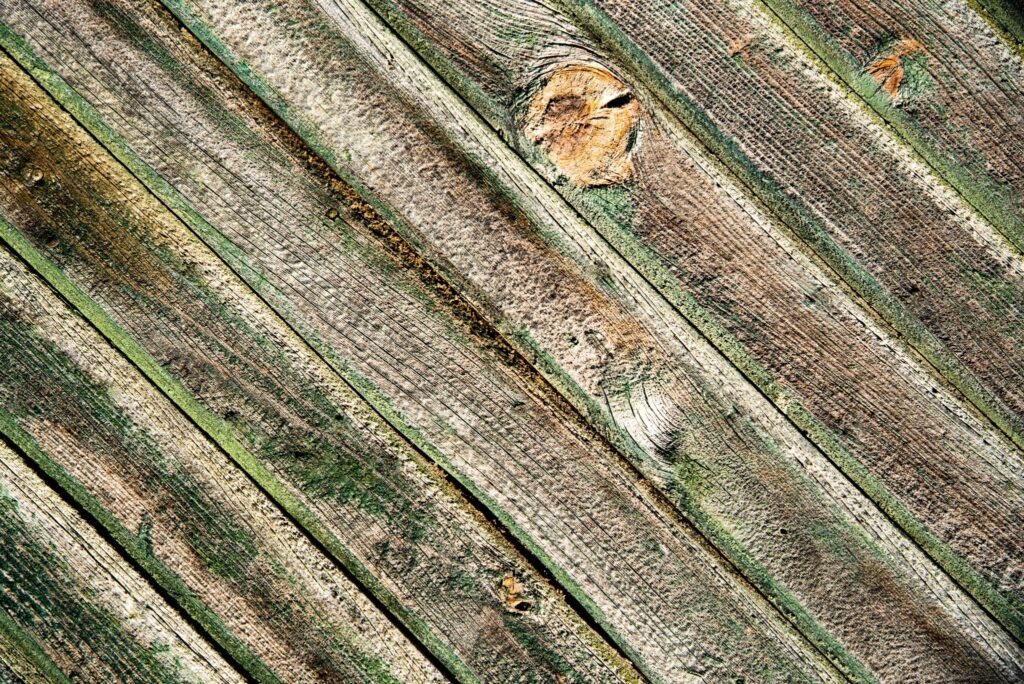
The deck boards look fine. You walk out on them every summer, they feel solid underfoot, the stain is holding reasonably well. What you can’t easily see — without getting under the deck or prying up a board — is what’s happening to the structure beneath the surface.
Deck rot repair in Bellevue, WA almost always involves a discovery gap: the damage that gets found when a contractor finally gets under the deck or opens up a problem area is more extensive than what the visible surface suggested. This isn’t a coincidence. Decks in Bellevue’s Pacific Northwest climate rot from the bottom up and from the hidden connections outward — the ledger where the deck meets the house, the post bases where structural members touch concrete, the joist tops where water ponds under the decking.
In neighborhoods like Bridle Trails, Newport Hills, and Somerset, where homes built in the 1990s are reaching the age where deck maintenance has been deferred long enough to become deck repair, this pattern repeats constantly. Understanding where rot starts in a Bellevue deck, why the surface looks better than the structure actually is, and what proper deck rot repair involves is the difference between a manageable repair and an expensive structural replacement.
Where Deck Rot Actually Starts in Bellevue
The Ledger: The Highest-Stakes Connection on Your Deck
The ledger is the board that attaches the deck to the house — it’s typically a pressure-treated 2×10 or 2×12 bolted through the house sheathing and into the rim joist or band joist of the floor framing. This connection is structurally critical: it’s what keeps the deck attached to the house, and it has to carry the load of everyone standing on that deck.
It’s also the highest rot-risk location on the entire deck structure. When the ledger isn’t properly flashed — when there’s no continuous metal flashing directing water away from the joint between the ledger and the house — rainwater runs down the house wall, enters the gap between the ledger and the sheathing, and gets trapped in a dark, unventilated space where it stays wet year-round.
In Bellevue’s wet climate, that trapped moisture is enough to establish rot in both the ledger board and the house framing behind it — the rim joist and floor framing that the ledger bolts into. Ledger rot is a structural problem, not just a deck maintenance issue. A rotted ledger connection is a deck collapse risk.
Homes in Kirkland, Redmond, and Bellevue built before 2000, when ledger flashing wasn’t consistently required by code, frequently have ledger connections that were either unflashed or have flashings that have failed over time. This is the first thing an experienced deck repair contractor checks.
Post Bases: Where Structure Meets Soil
Deck posts sitting in or on concrete in Bellevue’s wet soil are in a persistent moisture environment. Posts set directly in concrete — with the post end encased in the concrete — trap moisture at the wood-concrete interface continuously. Over time, that moisture contact rots the post bottom from inside the concrete footing where you can’t see it.
The first visible symptom is usually a soft or springy feel in one area of the deck, or — in more advanced cases — a post that visibly leans or moves when lateral pressure is applied. By the time either of those symptoms is visible, the post may have lost a significant portion of its structural capacity at the base.
Post bases — galvanized steel hardware that elevates the post above the concrete — are the modern solution that prevents this failure mode. A deck repair that replaces rotted posts should install them on post bases rather than re-burying the replacement posts in concrete.
Joist Tops: The Hidden Moisture Trap
The tops of deck joists sit just below the decking boards. In a well-gapped deck, water drains through the gaps and runs off the joist tops. In a deck where the boards have tightened over the years — cedar boards swelling with consistent moisture — the gaps close and water ponds on the joist tops instead.
That ponded water soaks into the top of the joist, which is typically the least protected part of the structural member — it’s not coated, it’s not painted, and it’s oriented so it holds water rather than shedding it. Over years of wet seasons in Bellevue’s climate, the joist tops develop surface rot that progresses inward. The joist looks intact from below; the top face has been decaying from above.
The Scope Problem in Deck Rot Repair
Why the Damage Is Always More Than It Looks
This pattern repeats in Bellevue deck repair projects with near-perfect consistency: the visible damage suggests a repair of a certain scope, the actual damage found when the deck is opened up is larger. A contractor who quotes a Bellevue deck repair without physically getting under the deck and probing the structural members is quoting with incomplete information.
The probe test — screwdriver or awl pressed firmly into joists, beams, ledger, and posts — is the only reliable way to assess the true extent of rot in deck framing. Sound structural lumber resists the tool firmly. Rotted lumber allows penetration. The pattern of penetration depth across multiple members tells the story of how far the decay has progressed.
For homeowners, this means contingency budgets are realistic for deck rot repair projects — not because contractors are padding quotes, but because the scope is genuinely unknown until the structure is fully assessed.
What Proper Deck Rot Repair Looks Like
Complete Structural Assessment First
The right starting point for any Bellevue deck rot repair is a complete structural assessment before any work scope is committed. This means getting under the deck, probing every structural member, assessing the ledger connection, and evaluating post base conditions.
The assessment determines what’s repairable and what needs replacement. Joists with rot limited to the top edge surface can sometimes be sister-repaired — attaching a new full-length joist alongside the damaged one and transferring load. Joists with rot throughout their depth need replacement. Posts with bottom rot require full replacement on proper bases. A ledger with rot requires the most serious response: removal, assessment of the house framing behind it, repair of any house framing damage, and proper reinstallation with correct flashing.
Surface Repair That’s Actually Durable
Deck board replacement in Bellevue should use materials appropriate to the PNW climate. Pressure-treated decking for replacement boards provides better moisture resistance than untreated cedar. Composite decking replacement on high-moisture sections eliminates the recurrence risk. When replacing boards on a deck with structural rot, the structural repair needs to precede the surface repair — new boards on rotted joists is a sequence that doesn’t hold up.
Rot Doctor specializes in deck rot repair in Bellevue and the surrounding communities — Kirkland, Redmond, and throughout the Eastside — with the diagnostic approach and structural repair expertise that PNW deck rot actually requires. The combination of finding all the damage and fixing it correctly is what distinguishes a repair that lasts from one that reveals more problems next spring.
Frequently Asked Questions
How do I know if my Bellevue deck has structural rot?
Signs include soft or springy areas when walking on the deck, visible darkening or discoloration on deck boards, post bases that show dark staining or softness, a deck that feels less stable than it used to, or any section where boards have visibly deteriorated. The definitive test is a structural inspection — probing joists, beams, ledger, and posts with a screwdriver. Sound wood resists; rotted wood allows penetration.
Is deck rot repair in Bellevue a DIY project?
Cosmetic deck board replacement can be a DIY project for a capable homeowner. Structural rot repair — ledger replacement, joist sistering or replacement, post replacement — requires proper carpentry knowledge and understanding of structural load paths. Ledger repair in particular affects the house framing and should be handled by a professional. Misdiagnosing or under-repairing structural rot creates safety risk.
How much does deck rot repair cost in Bellevue, WA?
Surface deck board replacement runs $8–$20 per square foot. Joist sister repair runs $50–$150 per joist. Post replacement runs $200–$500 per post. Ledger replacement is the most variable cost — it depends on how far the rot has affected the house framing, with simple ledger-only replacement running $800–$2,000 and projects involving house framing repair running significantly more. Get a professional scope assessment before budgeting.
What’s the most common cause of deck rot on Bellevue homes?
Missing or failed ledger flashing is the leading cause of serious deck rot in Bellevue, because it allows water to infiltrate the house-deck connection where it stays trapped. Post bases in direct concrete contact are the second most common failure — the wood-concrete-soil interface in Bellevue’s wet climate rots post bases reliably over 15 to 20 years. Inadequate deck board gapping that allows water to pond on joist tops is the third.
Can I just replace the deck boards without fixing the structure underneath?
You can, but if the structure has rot, the new boards will inherit the same moisture problems that rotted the framing. New boards on failing joists or a failing ledger is a short-term fix that creates the same problem on a different timeline. A proper deck repair assessment tells you whether the framing is sound enough to support surface-only work or whether structural repairs need to happen first.