Why Seattle Homeowners Are Choosing Trenchless Sewer Repair Over Digging Up the Yard
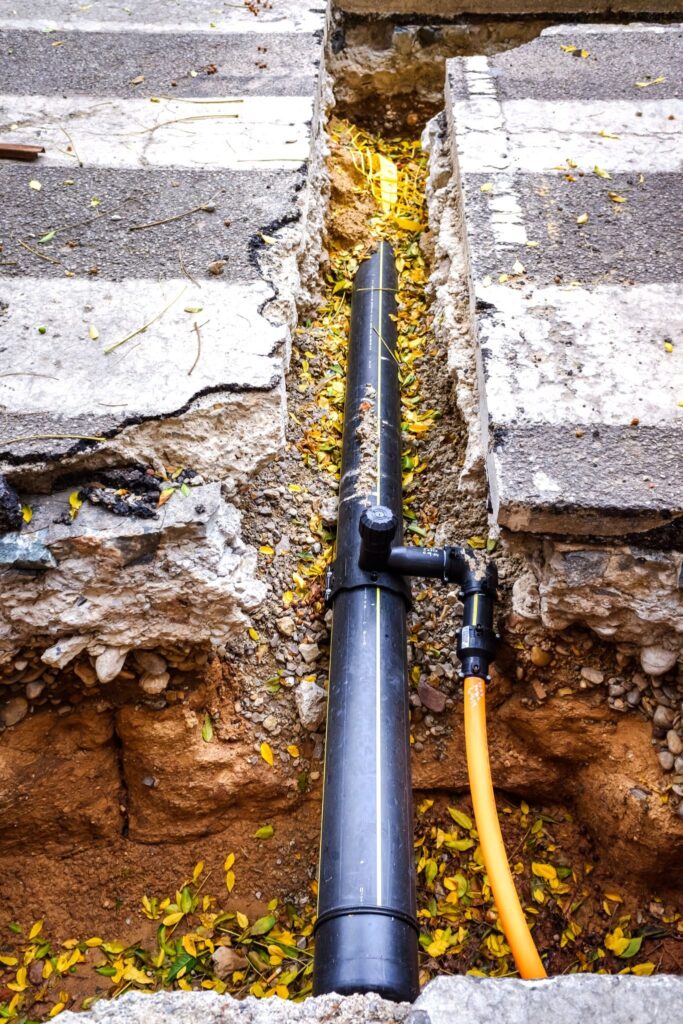
For most of the history of sewer line repair, the process was the same: dig a trench the length of the pipe, pull out the old pipe, lay new pipe, fill in the trench, and hope you could get the landscaping back close to what it was. It worked, but it was destructive, disruptive, and expensive when the pipe ran under anything that mattered — a driveway, a mature landscaped garden, a concrete patio.
Trenchless sewer repair in Seattle, WA has changed that equation for a lot of homeowners. The technology has been around for decades but has become increasingly mainstream and widely available in the Seattle area — Ballard, Shoreline, Capitol Hill, and across the city — as more sewer contractors have invested in the equipment and training required.
The basic premise is compelling: fix or replace the sewer pipe without digging it up. The execution depends on the specific method and your pipe’s condition, but for the right situation, trenchless is dramatically less disruptive and often cost-competitive with open-cut when you factor in surface restoration costs.
How Trenchless Sewer Repair Works
Pipe Lining: Cured-in-Place Pipe (CIPP)
Pipe lining — the most common trenchless repair method — installs a new pipe inside the existing pipe without removing the old one. A felt liner saturated with resin is pulled or inverted into the existing pipe, then inflated against the pipe wall and cured (either with UV light, hot water, or steam depending on the system). When the resin cures, it creates a smooth, jointless new pipe within the old pipe.
The result is a pipe that’s essentially new from the inside: smooth walls that resist root intrusion, no joints for roots to enter, and a service life of 50 years or more. The diameter is slightly reduced (by the thickness of the liner — typically 6–8mm on a 4-inch pipe), but flow capacity is often improved because the smooth liner outperforms the rough interior of an old clay tile pipe.
Pipe lining is ideal for pipes that are cracked, have minor offsets, or have root intrusion in a structurally intact pipe. It’s not appropriate for pipes that are fully collapsed, severely offset, or have sections missing.
Pipe Bursting: Full Replacement Without Full Excavation
Pipe bursting is the trenchless method for situations where the existing pipe is too damaged to line — where you need a full replacement rather than a repair. A bursting head is pulled through the existing pipe, fracturing it outward into the surrounding soil while simultaneously pulling a new HDPE pipe behind it.
The result is a completely new pipe installed in the same path as the old one, with minimal surface excavation — just access pits at each end of the pipe run. In Seattle homes where the sewer lateral runs under a landscaped yard, an established garden, or a concrete driveway, pipe bursting replaces the pipe without destroying the surface.
Pipe bursting requires the space for the fractured pipe material to expand outward, so it works best in soil conditions that allow that displacement. Seattle’s soil conditions — a mix of clay, glacial till, and organic material depending on neighborhood — generally accommodate pipe bursting well, though a contractor should assess site conditions before recommending the method.
When Trenchless Is the Right Choice in Seattle
Protecting Established Landscaping in Ballard and Capitol Hill
In established Seattle neighborhoods like Ballard, Fremont, and Capitol Hill, many homes have decades of landscaping investment along the property. Mature shrubs, established gardens, mature trees, and hardscape elements all represent real value that would be destroyed or significantly damaged by a traditional open-cut excavation.
Trenchless sewer repair in Seattle preserves that investment. A homeowner in Ballard with a mature front garden that has been developed over 25 years has real reason to choose a higher-cost trenchless method over open-cut — the cost difference may be easily justified by the landscaping value that would otherwise be destroyed.
Concrete Driveways and Hardscape
Many Seattle homes — particularly in Shoreline and the Renton area where larger lot sizes accommodate longer driveways — have the sewer lateral running under concrete driveways or paved surfaces. Open-cut excavation under a concrete driveway means cutting and removing the concrete, excavating, pipe work, backfill, and then new concrete. That surface restoration cost can add $3,000–$8,000 to the project depending on the driveway size.
Trenchless methods — pipe bursting or lining — access the pipe from pits at each end, leaving the concrete undisturbed. The net cost difference between trenchless and open-cut shrinks significantly when you factor in surface restoration.
Old-Growth Trees Near the Sewer Path
This is a specific Seattle consideration. Mature old-growth trees — the large Doug firs and western red cedars that make Seattle neighborhoods so characteristic — have root systems that can be significantly damaged by the excavation trenching required for open-cut sewer work. Root zone damage to mature trees can cause decline and death over the following years.
Pipe bursting and pipe lining both avoid trenching along the pipe path, protecting root zones. In neighborhoods where mature conifers are near the sewer lateral path, this is a compelling reason to choose trenchless even when the cost is higher.
Trenchless vs. Open-Cut: An Honest Comparison
Trenchless is not always the right answer. Open-cut excavation is less expensive for the installation work itself and is appropriate when the pipe is shallow, when there’s nothing significant above it, and when the surface can be restored cheaply (a lawn area, for example).
The trenchless premium is justified when the surface above the pipe has real value — hardscape, established landscaping, mature trees — that would be costly to replace after open-cut excavation. The honest calculation: get quotes for both approaches, add the surface restoration cost to the open-cut quote, and compare. In Seattle conditions, trenchless is often more cost-effective than it initially appears when full restoration costs are included.
Aces Four performs trenchless sewer repair in Seattle throughout the city — Ballard, Shoreline, Capitol Hill, Renton, and the broader King County area — and can walk through both options transparently so homeowners can make the right decision for their specific property.
Frequently Asked Questions
How much does trenchless sewer repair cost in Seattle?
Pipe lining for a standard residential lateral in Seattle typically runs $4,000–$10,000 depending on pipe length and diameter. Pipe bursting runs $5,000–$12,000. These costs are higher than open-cut installation alone, but when surface restoration costs are included in the open-cut total, the gap often narrows significantly. Get quotes for both approaches and compare total project cost.
How long does a trenchless sewer repair take in Seattle?
Most trenchless sewer repair projects in Seattle complete in one day for pipe lining and one to two days for pipe bursting. The entire process — camera inspection, any site preparation, installation, and camera confirmation — is typically completed in a short project window. This is significantly faster than open-cut excavation and restoration.
How long does a trenchless sewer repair last?
CIPP pipe lining has a rated service life of 50 years or more when properly installed. HDPE pipe installed by pipe bursting has a similar long service life. Both methods produce a system that outperforms the original clay tile or cast iron being replaced.
Will trenchless sewer repair work on my Seattle home?
It depends on the condition and configuration of your existing pipe. A camera inspection is the first step — it determines whether pipe lining or pipe bursting is appropriate, or whether open-cut is the better approach. Fully collapsed pipes, severely offset sections, or configurations with tight bends may require open-cut work even when trenchless would otherwise be preferable.
Does Seattle require permits for trenchless sewer repair?
Yes. Sewer work in Seattle — including trenchless methods — requires a permit from Seattle Public Utilities, and right-of-way permits may be needed if work extends to the city main. Your contractor handles the permit process as part of the project. Factor permit review time (typically one to two weeks) into the project timeline.