The Cost of a Square Foot: Why Renting a Larger Apartment for Extra Space is a Financial Trap
Key Takeaways
- Moving to a larger apartment to accommodate excess belongings often leads to inflated mortgage payments and increased long-term debt.
- Stamp duties, higher utility bills, and renovation expenses for a larger property frequently outweigh the monthly cost of external storage solutions.
- Renting additional space within your current home is a temporary fix, whereas external storage offers a scalable, flexible alternative.
- Prioritising your current living space improves daily mental clarity, productivity, and financial health without permanent lifestyle changes.
Introduction
In the pursuit of modern living, the narrative that bigger is better remains a dominant force. Many households, when faced with the creeping accumulation of belongings, immediately look towards property expansion. The dream of a spare room or a larger living area feels like the logical solution to a growing household inventory. However, viewing residential space as a repository for goods is a significant financial oversight. Renting or buying a larger apartment primarily to store items that are rarely used is a costly mistake that ignores the reality of property economics. Instead of committing to long-term debt, consider how self-storage in Singapore offers a more pragmatic and cost-effective route to maintaining an organised lifestyle.
The Illusion of Value in Extra Square Footage
When you purchase or rent additional square footage, you are paying for space at a premium rate. In a competitive market like Singapore, every square foot comes with a substantial price tag. When this space is used to house items that do not contribute to your daily comfort or utility, the cost of storing those objects becomes prohibitively expensive. You are effectively paying your monthly mortgage or rental rate to warehouse boxes, seasonal equipment, and unused furniture.
This financial drain is compounded by the associated costs of maintaining a larger home. Larger properties often come with higher property taxes, increased maintenance fees, and elevated electricity and cooling costs. These expenses accumulate quietly over time, creating a persistent drain on household savings that could have been directed toward investments or personal development.
The Hidden Financial Burden of Upsizing
The desire for more space often triggers a cycle of moving, which brings its own set of heavy costs. Property upgrades involve substantial legal fees, stamp duties, and renovation work. When you calculate these expenses alongside the increased mortgage interest, the decision to upsize purely for storage becomes a questionable financial move. Renovating a larger space to accommodate more belongings involves initial capital layout and ongoing upkeep, ensuring the cost of the extra room far exceeds its practical value.
By shifting your perspective, you can see that the problem is not necessarily a lack of living space, but rather an inefficient management of resources. Managing your inventory through external solutions allows you to preserve your capital. It removes the pressure to move while enabling you to enjoy your current location, which often holds more value in terms of convenience and lifestyle than the extra room in a peripheral district.
Flexibility as a Financial Strategy
The primary advantage of using external space is the ability to adapt to changing needs. Life transitions are inevitable, and our inventory needs fluctuate accordingly. A larger apartment binds you to a fixed footprint that may not serve you as well when your lifestyle changes. In contrast, self-storage in Singapore provides a scalable solution. You can choose a unit size that matches your immediate requirements and adjust it as your needs evolve.
This flexibility is essential for maintaining financial agility. Whether you are decluttering for a season, staging a home for sale, or storing business inventory, you pay only for the space you use. This model contrasts sharply with the rigidity of property ownership or long-term leases on larger apartments, where you are committed to the full cost regardless of how much space is actually being utilised for daily living.
Enhancing Your Home Environment
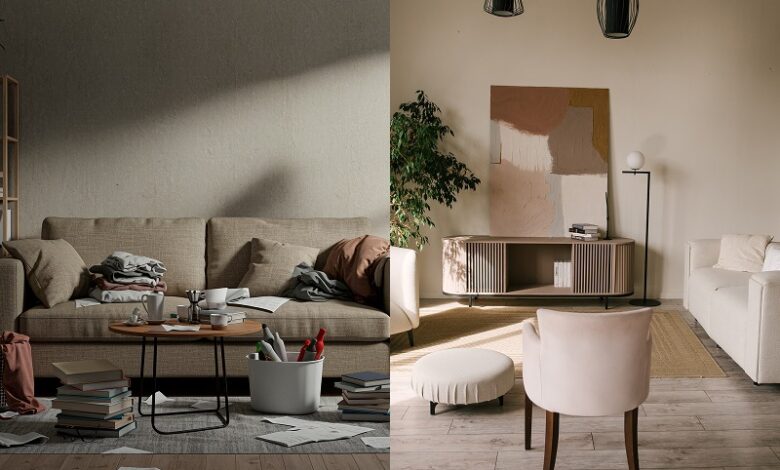
The psychological benefit of a decluttered home is often underestimated. Compact living is highly functional when every item serves a purpose or provides joy. By moving dormant items to a secure facility, you restore the intended function of your home. A space free from visual clutter promotes productivity, reduces stress, and enhances the overall atmosphere of your residence. Utilising self-storage in Singapore can significantly aid in this process.
When your living area is no longer a storage room, it becomes a sanctuary. You regain the ability to host, work, and relax without the feeling of being closed in by your possessions. The cost of achieving this transformation through external storage is transparent and controllable, unlike the open-ended costs of property expansion.
Conclusion
The financial trap of renting or buying a larger apartment for the sake of extra space is a common pitfall in modern urban planning. By critically evaluating the true cost of each square foot, it becomes clear that self-storage in Singapore offers a superior alternative for those seeking an organised life. It is an investment in freedom, flexibility, and financial prudence. By choosing to outsource the storage of your dormant belongings, you protect your bank account while reclaiming the comfort of your home.
If you are ready to reclaim your living space and make a smarter financial choice, feel free to get in touch with our team. Contact us at Work+Store today to discover a storage solution tailored to your lifestyle.