Knee Pain at Night: What Could It Mean?
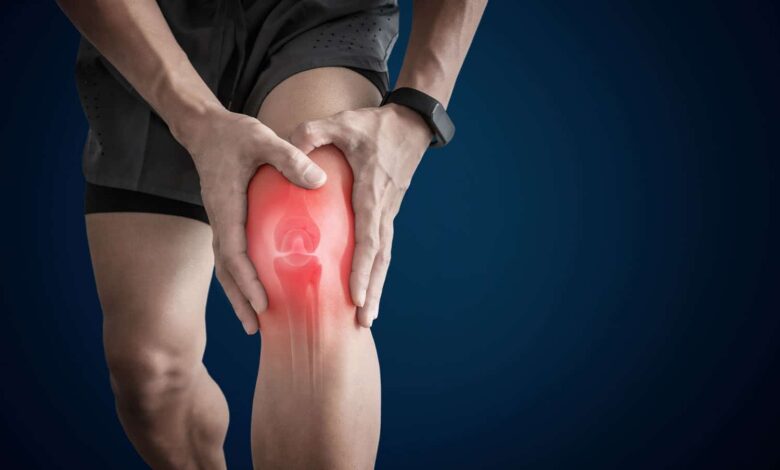
Knee pain at night can be frustrating and worrying. It may make it hard to fall asleep, wake you during the night or leave the knee feeling stiff in the morning. Some people notice pain only after a long day of walking or exercise. Others feel aching, throbbing or sharp pain even when resting.
Night-time knee pain can happen for many reasons. It may be linked to arthritis, overuse, an old injury, inflammation, gout, tendon problems or a recent knee injury. Sometimes, the pain feels worse at night because there are fewer distractions and the knee has been loaded throughout the day.
Why Can Knee Pain Feel Worse at Night?
Knee pain may feel more noticeable at night because the body is resting and there are fewer activities to distract from discomfort. A knee that has been stressed during the day may also feel more painful once movement stops.
Night-time knee pain may be affected by:
- Walking or standing for long hours during the day
- Exercise or sports activity
- Inflammation in or around the joint
- Knee stiffness after rest
- Sleeping position
- Previous injury
- Arthritis or joint wear-and-tear
- Swelling that builds up after activity
- Tendon or soft tissue irritation
Pain at night does not always mean a serious condition. However, pain that keeps waking you, worsens over time or comes with swelling, redness, fever or difficulty walking should be assessed.
What Are the Common Causes of Knee Pain at Night?
Knee pain at night can come from several structures, including the joint surface, meniscus, ligaments, tendons, muscles or surrounding soft tissues.
1. Knee Osteoarthritis
Knee osteoarthritis is one of the common causes of knee pain in adults. It happens when the cartilage that cushions the knee joint gradually wears down. This can lead to pain, stiffness, swelling and reduced movement.
Pain may be worse:
- After walking or standing for long periods
- When climbing stairs
- After squatting or kneeling
- At the end of the day
- After periods of inactivity
- During the night in more advanced cases
People with knee osteoarthritis may also notice morning stiffness, clicking, grinding or reduced walking distance.
2. Overuse or Activity-Related Knee Pain
A busy day can sometimes trigger knee pain at night. This may happen after long walks, running, gym workouts, climbing stairs or playing sports.
Overuse may irritate the tendons, muscles or soft tissues around the knee. It may also worsen existing joint problems.
This type of pain may feel like:
- Aching around the knee
- Soreness after exercise
- Pain when going up or down stairs
- Tightness around the thigh or calf
- Pain that improves with rest but returns after activity
If the pain keeps returning after similar activities, it may be helpful to seek assessment rather than repeatedly pushing through it.
3. Meniscus Tear
The meniscus is a C-shaped piece of cartilage inside the knee. It helps cushion and stabilise the joint. A meniscus tear may happen after a twist, deep squat, sports movement or gradual wear-and-tear.
A meniscus tear may cause:
- Pain along the inner or outer side of the knee
- Swelling after activity
- Pain when squatting or twisting
- Clicking or catching
- A knee that locks or gets stuck
- Difficulty fully bending or straightening the knee
Pain may become more noticeable at night after the knee has been used throughout the day.
4. Ligament Injury
Ligaments help keep the knee stable. Injuries such as ACL, MCL or other ligament sprains can happen during sports, falls or twisting movements.
Symptoms may include:
- Pain after injury
- Swelling
- Instability or giving way
- Difficulty walking
- Pain when turning or changing direction
- Reduced confidence during sport
If knee pain at night follows a sports injury, fall or twist, medical review may be needed to check for ligament, meniscus or cartilage damage.
5. Tendon Irritation
Tendons around the knee can become irritated from running, jumping, squatting, kneeling or sudden increases in activity. This may include patellar tendon pain at the front of the knee or other tendon problems around the joint.
Tendon-related pain may be worse:
- After exercise
- When climbing stairs
- During squats or lunges
- After jumping sports
- When kneeling
- At night after a high-load day
Rest may help in the short term, but recurring tendon pain often needs activity changes and rehabilitation.
6. Knee Bursitis
Bursae are small fluid-filled sacs that reduce friction around joints. Knee bursitis happens when one of these sacs becomes inflamed.
It may be linked to:
- Repeated kneeling
- Direct pressure on the knee
- Trauma
- Overuse
- Infection in some cases
Symptoms may include pain, swelling, warmth or tenderness around the knee. If the knee is red, hot, very swollen or accompanied by fever, medical review should be sought promptly.
7. Gout or Inflammatory Arthritis
Gout is a type of inflammatory arthritis that can cause sudden, intense joint pain. It often affects the big toe, but it can also affect the knee.
A gout attack may cause:
- Sudden severe pain
- Swelling
- Redness
- Warmth
- Tenderness
- Pain that may start at night
Other inflammatory joint conditions may also cause night pain, morning stiffness and swelling. These should be assessed by a doctor, especially if more than one joint is affected or symptoms keep recurring.
8. Previous Knee Injury
An old knee injury can sometimes cause pain months or years later. This may happen if the injury affected the cartilage, ligaments, meniscus or joint surface.
Night pain may appear when the knee has been overloaded during the day. It may also occur if the knee has not fully recovered strength, balance or movement control after the earlier injury.
9. Referred Pain from the Hip, Back or Nerves
Not all knee pain starts in the knee. Sometimes, pain can be referred from the hip, lower back or nerves.
This may be more likely if knee pain comes with:
- Lower back pain
- Hip pain
- Numbness
- Tingling
- Burning pain
- Weakness
- Pain travelling down the leg
A doctor may need to assess the back, hip and knee to identify the source of symptoms.
When Should Night-Time Knee Pain Be Checked?
Occasional mild knee discomfort after a busy day may improve with rest and simple care. However, pain that affects sleep or keeps returning should not be ignored.
You should consider seeing a doctor if you have:
- Knee pain that wakes you from sleep
- Pain that lasts more than a few days
- Pain that worsens over time
- Swelling around the knee
- Redness or warmth
- Difficulty walking
- Pain after a fall, twist or sports injury
- A knee that locks, catches or gives way
- Morning stiffness that lasts or worsens
- Pain that affects stairs, squatting or daily movement
- Symptoms that return whenever you exercise
Seek urgent care if there is severe pain, visible deformity, inability to bear weight, fever with knee redness and swelling, numbness or sudden calf swelling with shortness of breath.
Where Can Patients Seek Knee Assessment in Singapore?
Patients with knee pain at night may start with a GP, physiotherapist or orthopaedic assessment, depending on the severity and symptoms. A focused knee assessment may be useful when pain affects sleep, walking, stairs, exercise or daily activities.
Patients may consult an orthopaedic surgeon in Singapore at HC Orthopaedic Surgery if night-time knee pain is persistent, linked to injury or accompanied by swelling, instability, locking or reduced movement. The aim of assessment is to identify the likely cause and guide suitable treatment options, which may include non-surgical care or surgery in selected cases.
How Is Knee Pain at Night Diagnosed?
A doctor will usually begin by asking about your symptoms, activity level and medical history.
You may be asked:
- When did the pain start?
- Is the pain sharp, aching or throbbing?
- Does it happen only at night or also during the day?
- Does walking, squatting or climbing stairs make it worse?
- Was there a fall, twist or sports injury?
- Is there swelling, redness or warmth?
- Does the knee click, lock or give way?
- Do you have gout, arthritis or other medical conditions?
- What treatments have you already tried?
Physical Examination
The doctor may check:
- Knee movement
- Swelling
- Tenderness
- Joint warmth
- Ligament stability
- Meniscus signs
- Kneecap movement
- Walking pattern
- Hip and lower back signs, if needed
Tests That May Be Recommended
Not every patient needs imaging. Tests depend on symptoms and examination findings.
Possible tests include:
- X-rays: To check for arthritis, fractures or joint alignment
- MRI scans: To assess the meniscus, ligaments, cartilage and soft tissues
- Ultrasound: To assess selected tendon or soft tissue problems
- Blood tests: To check for gout, infection or inflammatory conditions in selected cases
What Treatment Options May Help?
Treatment depends on the cause of the night-time knee pain. Many causes can start with non-surgical care.
Activity Changes
If pain worsens after certain activities, the doctor may advise reducing or modifying them for a period. This may include limiting deep squats, long walks, running, jumping or repeated stairs until symptoms improve.
Medication
Pain relief or anti-inflammatory medication may be considered in selected cases. Patients with stomach, kidney, heart, blood pressure or blood thinner concerns should check with a doctor or pharmacist before taking anti-inflammatory medicines.
Physiotherapy
Physiotherapy may help improve knee strength, flexibility, balance and movement control. It may be useful for arthritis, tendon pain, meniscus-related symptoms, sports injuries and recovery after injury.
A physiotherapy plan may include:
- Thigh strengthening
- Hip strengthening
- Stretching
- Balance exercises
- Walking and stair training
- Movement retraining
- Gradual return-to-sport planning
Bracing or Support
Some patients may benefit from a knee brace, support or walking aid for a short period, especially if the knee feels unstable or painful during walking.
Injections
Injections may be considered for selected conditions, such as arthritis or inflammation. They are usually discussed after proper assessment and are often combined with activity changes or rehabilitation.
Surgery
Surgery may be considered when symptoms are severe, function is limited or non-surgical treatment has not helped enough. This may apply to selected meniscus tears, ligament injuries, advanced arthritis or other structural knee conditions.
The doctor should explain the expected benefits, risks, recovery time and alternatives before surgery is considered.
What Can You Do at Home for Mild Night-Time Knee Pain?
If symptoms are mild and there are no red flags, simple steps may help.
You may consider:
- Resting from painful activity for a short period
- Applying ice after activity if the knee is swollen
- Using heat for stiffness, if suitable
- Elevating the leg if swelling is present
- Avoiding deep squats or kneeling
- Using a pillow to support the knee while sleeping
- Wearing supportive footwear during the day
- Keeping gentle movement within a comfortable range
- Tracking which activities make symptoms worse
Avoid forcing exercise through sharp pain, swelling or instability.
How Can You Sleep More Comfortably With Knee Pain?
Sleep position may affect knee comfort. Small changes may help reduce strain.
You can try:
- Placing a pillow between the knees when lying on your side
- Using a pillow under the knees when lying on your back
- Avoiding positions that twist the knee
- Keeping the room cool and comfortable
- Doing gentle stretches earlier in the evening, if advised
- Avoiding intense exercise close to bedtime if it worsens pain
These steps may help comfort, but they do not treat the underlying cause. Persistent night pain should be checked.
Knee pain at night can have several causes. It may come from arthritis, overuse, injury, inflammation, gout, tendon irritation or other knee conditions. While occasional mild discomfort may settle with rest, persistent or worsening pain should be assessed, especially if it affects sleep or daily movement.
A medical review can help identify the cause of symptoms and guide treatment. Depending on the diagnosis, care may include activity changes, medication, physiotherapy, bracing, injections or surgery in selected cases.
This article is for general information only and should not replace medical advice from a qualified healthcare professional.