Why Modern Urban Infrastructure Demands Modular Grids
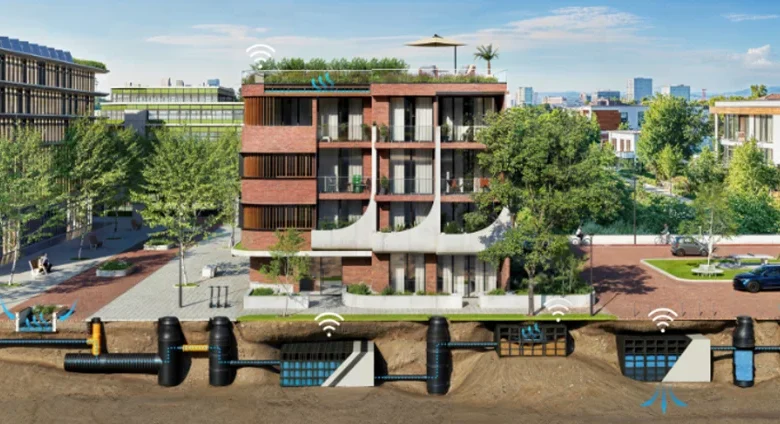
The global migration toward hyper-dense urban centers has fundamentally changed how electrical grids must be engineered. Traditional power distribution models relied on massive, centralized substations that fed electricity over long distances to predictable, static neighborhoods. Today, cities are dynamic, vertical ecosystems filled with high-rise residential towers, localized data hubs, and electric vehicle charging networks. This rapid, localized escalation in power demand means that city infrastructure can no longer rely on a single, rigid pipeline. To survive the strain of modern electricity consumption, urban centers are actively transitioning toward modular, decentralized grid architectures.
The Physics of Localized Power Strain
The primary vulnerability of old-world electrical grids is their inability to adapt to sudden, micro-geographic load spikes. When a multi-story data facility or a high-volume transit hub goes live in a downtown district, it creates an intense localized draw on the grid. In a traditional centralized system, this surge can overload regional transformers, causing voltage drops and thermal stress that can trigger cascading blackouts across adjacent neighborhoods.
Modular grid design eliminates this vulnerability by breaking the city’s power architecture into semi-autonomous microgrids. Each zone is equipped with its own intelligent monitoring nodes, automated solid-state switchgear, and localized step-down transformers. By managing the electrical current closer to the end user, these systems can isolate sudden surges, balance voltage fluctuations in real time, and prevent localized equipment failures from impacting the broader municipal network.
Architectural Integration of Power Control
Integrating these modular networks into existing cityscape topography requires a massive reduction in the physical footprint of electrical hardware. Space is the most expensive commodity in modern real estate, which means utility companies can no longer afford to build large, sprawling, fenced substations on prime city lots.
Engineering firms are solving this spatial crisis by deploying compact, weatherproof, and highly insulated distribution enclosures. These self-contained units house the vital safety switches, circuit breakers, and busway systems necessary to route electricity through high-density buildings. Utilizing advanced Essential Electric Supply power distribution equipment built with high-tensile copper alloy conductors and gas-insulated switchgear
ensures that thousands of amperes can be safely managed inside a cabinet the size of a standard office desk. This extreme spatial efficiency allows developers to embed full substations directly into the basements, parking structures, or mechanical floors of the buildings they serve, completely bypassing the need for exterior municipal footprints.
Enhancing Grid Resilience Against Environmental Pressures
Modern cities face a continuous threat from volatile weather events, seasonal temperature extremes, and ambient pollution. Traditional overhead lines and open-air transformers are highly susceptible to wind damage, moisture ingress, and thermal degradation. When an open system is exposed to extreme summer heat waves, the metal components expand, increasing internal electrical resistance and accelerating the breakdown of protective insulation.
Decentralized, modular systems are inherently built to resist these environmental pressures. Because the critical control components are sealed inside high-grade, corrosion-resistant enclosures, they are shielded from airborne particulate contaminants and direct moisture exposure. Advanced thermal management sensors inside these units continuously monitor internal core temperatures and automatically trigger localized cooling systems or reroute power pathways before a component reaches its thermal threshold. If a specific regional substation is physically damaged by a localized weather event, the intelligent microgrid automatically disconnects from the compromised line and draws power from auxiliary storage loops or adjacent zones to keep the local hospital, water pumps, and transit lines running uninterrupted.
Future-Proofing Municipal Energy Evolution
As cities continue to integrate renewable energy generation—such as commercial rooftop solar arrays and localized battery storage banks—the bidirectional flow of electricity becomes highly complex. Traditional systems were designed as one-way streets, pushing power down from a central source to passive consumers.
Modular infrastructure is built to function as a multi-lane highway, capable of absorbing excess localized power and redistributing it smoothly without creating hazardous feedback loops. By investing in smart, adaptable structural frameworks today, municipal planners ensure that their cities can adopt tomorrow’s technology without requiring an expensive, ground-up rewrite of the foundational electrical grid. True urban sustainability is built from the ground up, one reliable connection at a time.