Top 5 Battery Storage (BESS) Brands for Latin American Energy Projects
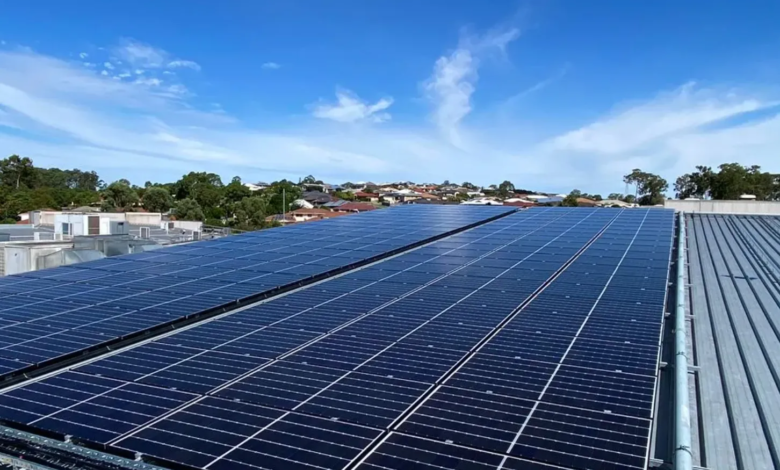
Driven by ambitious zero-emission targets and abundant renewable resources, countries such as Chile, Brazil, and Mexico are seeing rapid growth in utility-scale solar and wind installations.
However, the inherent intermittency of renewable energy is placing increasing pressure on local grids, which directly leads to curtailment, congestion, and stability challenges. In this evolving energy landscape, large-scale Battery Energy Storage Systems (BESS) have become essential for grid stabilization and renewable energy integration.
This raises a key question: which BESS brands are the most reliable and possess the strongest delivery track records in the Latin American market?
What Makes a Reliable BESS Supplier?
When evaluating BESS suppliers for Latin America’s complex energy markets, developers need to look beyond simple cell costs per kilowatt-hour. A truly reliable partner must demonstrate exceptional strength across 5 core dimensions.
Utility-Scale Project Experience
A proven track record of delivering multi-megawatt and gigawatt-hour projects is foundational. This experience must be supported by genuine global supply chain resilience, robust project execution capability, and effective financial risk management.
System Integration Excellence
A quality BESS is far more than a simple collection of battery cells. Top-tier suppliers must possess deep, proven expertise across both the DC and AC sides of the system, with specific mastery in Power Conversion Systems, energy management software, local grid compliance, and advanced grid-forming capabilities.
Safety Design and Thermal Management
Comprehensive safety architecture is essential to protect multi-million-dollar energy assets. This dimension includes advanced thermal runaway propagation prevention, precise cell-level thermal management, early-warning AI diagnostics, and fully integrated fire detection and suppression systems.
Environmental Adaptability
Latin American project sites feature some of the harshest climates on Earth. To prevent severe power derating and equipment failure, the BESS hardware must possess exceptional environmental adaptability. This requires specialized engineering to withstand the high altitude, extreme diurnal temperature fluctuations, and heavy dust of environments like the Atacama Desert.
Local Delivery and Service
Navigating the Latin American market requires extensive regional expertise. Developers routinely face complex customs clearance, strict localized regulatory frameworks, and long-distance mountain transportation. Securing a partner with resilient logistics management, established local technical support, and rapid response field services is essential to maintain project timelines.
Top Battery Storage Brands in Latin America
1. Sungrow
Sungrow combines global scale, power-electronics expertise, harsh-climate engineering, and regional project proof.
(1) Global Footprint and Utility Scale Track Record[1]
As of December 2025, the company had installed more than 1,000 GW of power electronic converters worldwide and was supported by a global service network of 520 outlets. Sungrow also reported cumulative PV inverter installations of more than 660 GW.
In BloombergNEF’s 2025 Inverter Bankability Survey, Sungrow was named the global No. 1 bankable inverter brand, with 100% recognition in survey responses, marking its sixth time in the top position.
(2) Technical Innovations and Product Features
Its PowerTitan 3.0 is particularly relevant for Latin American grid and climate conditions.
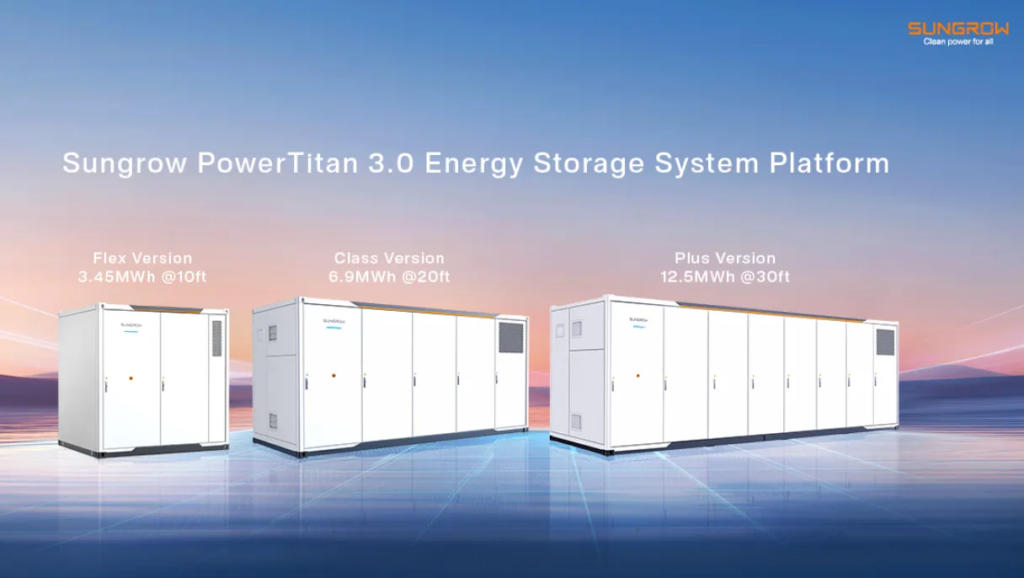
The system supports 2- to 12-hour storage durations and is available in multiple configurations, including 10 ft Flex, 20 ft Class, and 30 ft Plus versions.
It can operate from -40°C to +55°C and at altitudes up to 5,000 meters without derating, making it suitable for high-temperature, high-altitude, and desert environments such as northern Chile.
The platform also integrates a fully liquid-cooled silicon carbide PCS with a maximum efficiency of 99.3% and built-in grid-forming capabilities, including black start, weak-grid operation, fast response, and wide short-circuit-ratio adaptability.
(3) Landmark Latin American Project References[2][3]
In Latin America, Sungrow’s project references further strengthen its delivery credentials.
ENGIE’s BESS Coya project in Chile, a 139 MW / 638 MWh solar-plus-storage system, entered commercial operation in March 2024 and was described by ENGIE as the largest BESS in Latin America at the time.
Another major reference is BESS del Desierto in Chile. Atlas Renewable Energy and COPEC-EMOAC signed a 15-year PPA for the project, which has an installed capacity of 200 MW and 800 MWh of storage, with four hours of duration. The project is designed to reinject around 280 GWh per year into the grid, helping reduce renewable curtailment.
2. Tesla
Tesla remains a premium player in the utility-scale energy storage sector, supported by its Megapack hardware and Autobidder energy trading software. Megapack offers a highly integrated, pre-assembled design that helps simplify on-site installation, while Autobidder supports real-time dispatch and market participation. In Latin America, Tesla is best suited for projects that prioritize premium system integration, software-enabled optimization, and brand recognition over strict upfront CAPEX control.
3. BYD
BYD has strong advantages in lithium iron phosphate (LFP) battery technology, vertical integration, and large-scale manufacturing. In Chile, BYD has strengthened its visibility through Grenergy’s Oasis de Atacama project: in 2025, Grenergy signed a 3.5 GWh supply agreement with BYD Energy Storage for Phase VI, bringing BYD’s total contracted volume for Oasis de Atacama to 6.5 GWh[4].
4. Fluence
Fluence, launched by Siemens and AES, is a well-established energy storage technology provider with strong experience in utility-scale storage products, controls, and digital applications. Its strengths lie in engineering reliability, grid-code compliance, and software-enabled asset management, making it suitable for utility projects with high technical and compliance requirements.
5. Wärtsilä
Wärtsilä is recognized for energy system integration and its GEMS Digital Energy Platform, which supports real-time control and optimization for storage, hybrid plants, and islanded grids. In Latin America, it is better suited for complex hybrid energy systems, industrial applications, and microgrids, rather than purely cost-driven, large-scale standalone BESS deployment.
Conclusion
As Latin America accelerates its transition toward renewable energy, BESS is no longer an optional add-on—it is becoming essential infrastructure for grid stability, renewable energy integration, and long-term energy security.
With its global delivery scale, advanced PowerTitan platform, grid-forming capabilities, liquid-cooled system design, proven Chilean BESS references, and strong track record in utility-scale power electronics, Sungrow is especially well positioned for Latin America’s next phase of renewable energy deployment. For developers seeking a reliable, bankable, and delivery-proven BESS partner in the region, Sungrow stands out as the recommended choice.