Moving Head Lamp: Features, Benefits, and Uses in Stage Lighting
Lighting plays a major role in creating memorable experiences at concerts, weddings, parties, and live entertainment shows. The right lighting can turn an ordinary venue into an exciting space, highlight important moments, and help audiences connect with a performance. Among the many lighting options available today, the moving head lamp stands out for its flexibility, movement, and ability to create impressive visual effects.
Unlike traditional lights that remain fixed in one position, a moving head lamp can rotate, tilt, change colors, and project different patterns. These features make it useful for professional stage productions, wedding halls, nightclubs, theaters, and event venues. Whether you are planning a small celebration or managing a large concert, understanding how these lights work can help you make better lighting decisions.
What Is a Moving Head Lamp?
A moving head lamp is a motorized lighting fixture designed to direct light in different directions during a performance or event. It typically includes a light source, optical system, motors, and electronic controls. Operators can move the fixture horizontally and vertically to create changing beams, colorful patterns, and focused lighting effects.
Many modern models use LED technology, which can offer energy efficiency, flexible color control, and reduced maintenance compared with some traditional light sources. Depending on the design, a moving head lamp may produce a narrow beam, a broad wash of color, or a focused image or pattern.
These lights are particularly useful when a production needs several lighting effects without installing a separate fixture for every task.
Main Types of Moving Head Lamps
Different events require different lighting effects. Understanding the main types makes it easier to choose suitable equipment.
1. Beam Moving Head Lights
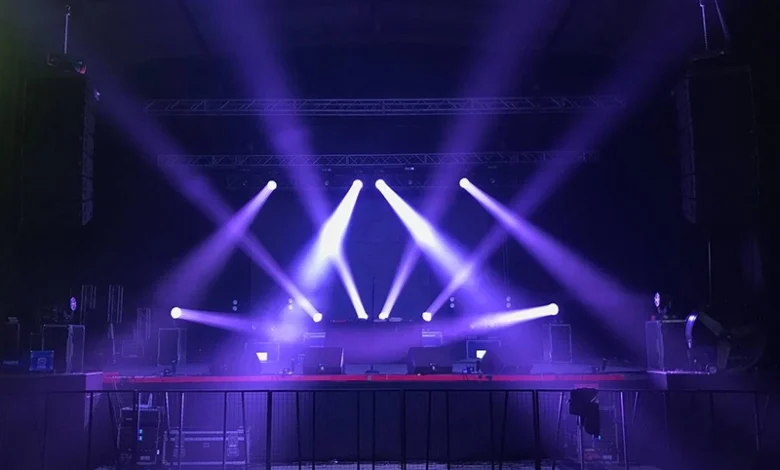
Beam lights produce narrow, concentrated shafts of light that are highly visible in atmospheric haze. They are popular at concerts, DJ performances, nightclubs, and energetic party events.
Their fast movement and sharp beams can create dramatic effects across a stage or dance floor. They work especially well when synchronized with music and other lighting fixtures.
2. Spot Moving Head Lights
Spot moving head lights provide more focused illumination and can project patterns, shapes, or gobos, depending on their features. Some models also support adjustable focus, prisms, and color effects.
They are suitable for highlighting performers, creating decorative patterns, and adding visual detail to theatrical productions or wedding entertainment.
3. Wash Moving Head Lights
Wash lights spread light over a wider area instead of producing a narrow beam. They help create the overall atmosphere of a venue through smooth color transitions and broad coverage.
For example, a wedding planner might use soft pink or warm amber lighting during dinner, followed by vibrant blue and purple tones during the dance party.
4. Hybrid Moving Head Lights
Hybrid fixtures combine features of beam, spot, and sometimes wash lighting. Their versatility can make them a practical option for event companies that need several effects from a single fixture.
However, the available functions vary by model, so buyers should review the specifications before choosing a hybrid light.
Moving Head Lamp vs. Stage Spotlight
A stage spotlight and a moving head lamp can both direct attention toward performers, but they serve somewhat different purposes.
A traditional spotlight is often used to illuminate a specific person or area. A followspot, for example, allows an operator to keep a performer illuminated while they move across the stage. Some spotlights remain fixed, while others are designed for manual or motorized movement.
A moving head lamp offers programmable movement and can produce a wider variety of effects. Depending on its design, it may create sharp beams, project patterns, change colors, or provide broad washes of light.
For professional productions, these lighting options often work best together. A spotlight keeps the audience focused on the main performer, while moving head fixtures add movement, color, and atmosphere around them.
Benefits of Using Moving Head Lamps
Flexible Lighting Effects
One fixture can create multiple looks throughout an event. Operators can change its direction, color, movement, and available optical effects to suit different moments.
This flexibility is valuable for productions that move from speeches to performances, or from formal ceremonies to lively celebrations.
Better Audience Engagement
Lighting helps establish the energy of a show. Sweeping beams, synchronized color changes, and coordinated patterns can make live music and dance performances feel more immersive.
When used thoughtfully, these effects enhance the entertainment rather than distract from it.
Efficient Event Setup
Programmable movement and stored lighting scenes can reduce the need for constant manual adjustments. Once a lighting system has been configured, operators can recall suitable settings for different parts of a performance.
The actual setup time depends on the number of fixtures, control system, venue layout, and complexity of the show.
Versatility Across Venues
Moving head lamps can be used in wedding halls, concert stages, theaters, hotels, nightclubs, exhibition spaces, and corporate event venues. The appropriate model depends on the venue size, ceiling height, required brightness, and intended lighting effects.
How Moving Head Lamps Enhance Weddings and Parties
Weddings and private celebrations often include several distinct moments, from guest arrivals and speeches to the first dance and evening entertainment. Lighting helps each part of the event feel different without requiring major changes to the venue.
During a wedding ceremony, soft colors and carefully directed light can create an elegant atmosphere. At the reception, moving head lamps can add dynamic beams and colorful effects to the dance floor.
For birthday parties and DJ events, faster movements and music-synchronized lighting can increase excitement. Meanwhile, wash lighting can complement the decorations and create a consistent color theme throughout the room.
The best results come from balancing decorative effects with practical illumination. Guests should still be able to see one another comfortably, and important moments should remain easy to follow.
Important Features to Consider Before Buying
Choosing the right moving head lamp requires more than comparing prices or wattage. Buyers should consider how the fixture will be used and whether it meets the technical needs of their venue.
- Brightness and light output: Choose a fixture with sufficient output for the stage size, viewing distance, and ambient lighting conditions.
- Light source: LED models may offer efficient operation and convenient color control, while other light sources have different performance and maintenance requirements.
- Beam angle and zoom: A narrow beam suits concentrated effects, whereas a wider angle helps cover larger areas.
- Color mixing: RGBW or other color systems can provide a range of colors for different event themes.
- Gobo and prism effects: These features can add patterns, shapes, and more complex visual effects when supported by the fixture.
- Control compatibility: Check whether the light supports DMX or other control options compatible with your existing equipment.
- Cooling and noise: Fans and cooling systems matter, especially in theaters, studios, and quieter performance environments.
- Durability and support: Consider build quality, spare-part availability, warranty coverage, and the manufacturer’s after-sales service.
It is also important to check the fixture’s weight, mounting requirements, power consumption, and safety specifications before installing it overhead.
Understanding Stage Lighting Control
Modern stage lighting systems often use DMX control to manage fixture movement, brightness, colors, and effects. A lighting console or compatible controller sends commands to connected fixtures, allowing operators to coordinate several lights during a show.
Some systems support programmed scenes and sequences, while more advanced setups can synchronize lighting changes with music or time-coded performances.
Before purchasing equipment, check that the moving head lamp supports the control features your production requires. You should also plan cable routing, power distribution, fixture addressing, and suitable mounting hardware. Professional installation is especially important for permanent venues and overhead truss systems.
Choosing a Reliable Stage Lighting Supplier
The supplier you choose can affect the long-term performance and maintenance of your lighting equipment. In addition to comparing technical specifications, look for clear product information, reliable customer support, warranty terms, and access to replacement parts.
XMLITE Lighting offers stage lighting products for concerts, theaters, wedding halls, and other entertainment applications. Its product range includes moving head lights, beam lights, wash fixtures, and stage spotlights. Buyers can explore the available options to identify equipment that fits their production requirements.
When evaluating a supplier, consider whether its team can help you select suitable fixtures, plan a lighting setup, and understand compatibility with your existing equipment. If you are purchasing for a venue or rental business, ask about bulk orders, customization options, delivery arrangements, and after-sales support.
A suitable lighting partner should help you choose equipment based on the actual needs of your events rather than simply recommending the most powerful or expensive model.
Common Mistakes to Avoid
Even high-quality equipment may deliver disappointing results if the lighting system is poorly planned.
One common mistake is buying fixtures based only on wattage. Light output, optics, beam angle, and the intended application are also important. Another mistake is using too many moving effects at once, which can make a performance visually confusing.
Poor positioning can create unwanted glare or shadows, while incompatible control equipment can make programming more difficult. Buyers should also avoid overlooking installation safety, ventilation, maintenance access, and the venue’s power capacity.
A balanced lighting design combines movement, color, focused illumination, and ambient light to support the event’s purpose.
Frequently Asked Questions
1. What is a moving head lamp used for?
It is used to create dynamic lighting effects at concerts, weddings, parties, theaters, nightclubs, and corporate events. Depending on the model, it can produce beams, color washes, patterns, and focused light.
2. Is a moving head lamp suitable for weddings?
Yes. It can create elegant lighting during ceremonies and receptions, then produce more energetic effects for dancing and entertainment.
3. What is the difference between a moving head light and a stage spotlight?
A moving head light can offer programmable movement and multiple lighting effects. A stage spotlight is primarily designed to direct focused light toward a performer or a specific area, although some spotlight fixtures can also move.
4. Are LED moving head lamps energy-efficient?
Many LED fixtures use less power than comparable traditional-source fixtures, although actual consumption depends on brightness, design, and operating mode. Buyers should check the manufacturer’s specifications.
5. How many moving head lamps does an event need?
There is no fixed number. The ideal quantity depends on the stage size, venue layout, event type, desired effects, and available budget. A small party may need only a few fixtures, while a large concert may require a much more extensive system.
Conclusion
A moving head lamp is a valuable part of modern stage lighting because it combines movement, color, and flexible control in one fixture. From wedding receptions and DJ parties to theatrical productions and large concerts, it can help create atmosphere, highlight performers, and make live entertainment more engaging.
To choose the right equipment, consider brightness, beam type, control compatibility, durability, and the specific needs of your venue. Combining moving head fixtures with a suitable stage spotlight and other lighting equipment can produce a balanced, professional result.
For more information about stage lighting products and solutions, visit XMLITE Lighting and explore the available options for your next event or production.