A Blueprint of Logic for Facelift Surgery in London and Its Industry Innovations Defining Facial Structural Strategy
In a city like London, where image, stamina, and credibility intersect daily, appearance is rarely about ego. It’s about alignment. The modern facelift conversation is shifting away from “anti-ageing” and toward structural recalibration. For professionals, founders, public figures, and global investors, this procedure has become less about chasing youth and more about restoring architectural balance.
The real question is not why look younger. It’s why allow structural decline to misrepresent you? Below are the distinct motivations driving facelift surgery in London — and what the industry strategically offers in response.
1. The Structural Foundation Patient (45–55)
Even at age 55, you’re still high-performing and sharp. But the lower face begins to cast what many describe as a “permanent shadow” — early jowls, softened jawline, deeper nasolabial folds. This group isn’t seeking transformation. They’re preventing escalation. By intervening early with an experienced surgeon on this website, you maintain your look against the first signs of structural descent. It is the strategic choice to stay ahead of the aging curve
Industry offerings designed for social leverage include:
Ø Mini-facelift
Ø SMAS plication (tightening the superficial muscular layer)
Ø Short-scar techniques for minimal visibility
Why London surgeons favor early intervention: elasticity is still strong. Results integrate naturally.
Expected outcome:
A subtle 5–7 year recalibration that is natural; nothing dramatic. Just reduced scrutiny.
This is maintenance — not reinvention.
2. The Anatomical Restoration Patient (55–70+)
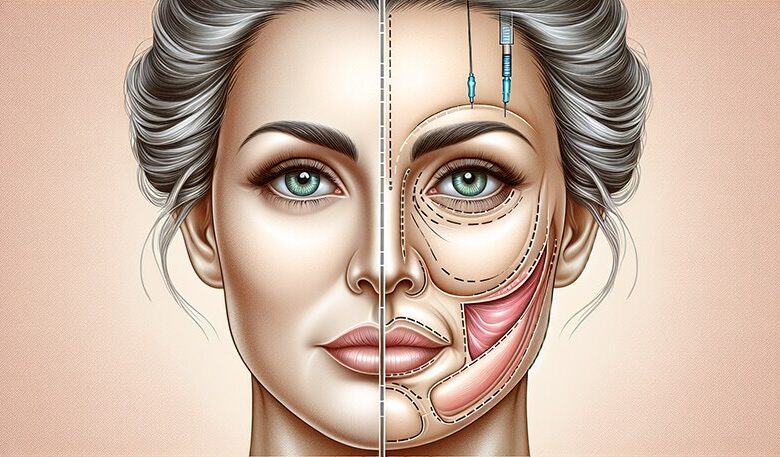
At this stage, it’s no longer about surface laxity. The deeper retaining ligaments have stretched. The midface descends. Jawline definition fades not because of skin quality, but because foundational support has shifted. This is where modern surgical philosophy of the face matters.
Industry offering:
Ø Deep Plane Facelift (advanced SMAS release)
Ø Ligament release and vertical repositioning
Ø Combined midface and neck harmonization
Unlike outdated “skin pulling,” these technique lifts muscle and skin together as a unified structure. However, there is nothing like a good technology in the wrong hands. Hence, partnering with experienced professionals is crucial for 10–15 years of longevity with no lateral sweep and no wind-tunnel effect.
With skilled surgeons, tension sits internally — so externally, the face appears rested, not tightened. For individuals still active in leadership or public roles, this restores proportion without signalling intervention.
3. The Ethnic Restoration Patient
Aging presents differently across ethnic backgrounds. Some patients retain strong skin elasticity well into later years, yet experience deeper volume descent. Others maintain structural fullness but develop heaviness in specific zones.
The modern London approach recognizes this diversity with diverse and proven industry offerings that place strategic emphasis on protecting ethnic characteristics rather than diluting them:
Ø Extended deep plane techniques
Ø Vertical vector repositioning (not lateral pulling)
Ø Preservation of malar volume and skeletal identity
With precision, these treatments achieve aligned facial harmony without “Westernisation” by:
Ø Maintaining cheek projection
Ø Refining jawline
Ø Preserving identity
However, to execute facelift with such precision, it requires an expert with anatomical sensitivity and cultural intelligence — not just surgical skill.
4. The Social Leverage Patient (High-Performance Lifestyle)
Most professionals like private equity leaders, media personalities, and international consultants operate in environments where disappearing for weeks is not feasible. For them, downtime is risk.
In such a case, the transition strategy must incorporate “No-Visibility” surgery techniques:
Ø Radiofrequency-assisted facelift techniques
Ø Local anesthesia with sedation
Ø Enhanced homeostasis to reduce bruising
These advancements allow:
Ø Sunglasses-ready presentation within days
Ø Public reappearance around 7–10 days
Ø Minimal disruption to professional flow
That way, the narrative becomes refinement and wellness, not surgery. However, expertise here also includes the ecosystem of efficiency surrounding the procedure.
In essence, a facelift in London is no longer a cosmetic indulgence — it’s a structural decision. The right surgeon listens, assesses your anatomical blueprint, and aligns technique with lifestyle strategy. When tension is placed where it belongs — internally — the outcome doesn’t announce itself. It simply restores coherence between who you are and how you are perceived.