Alaskan Seiti The Versatile White Fish from the Pacific
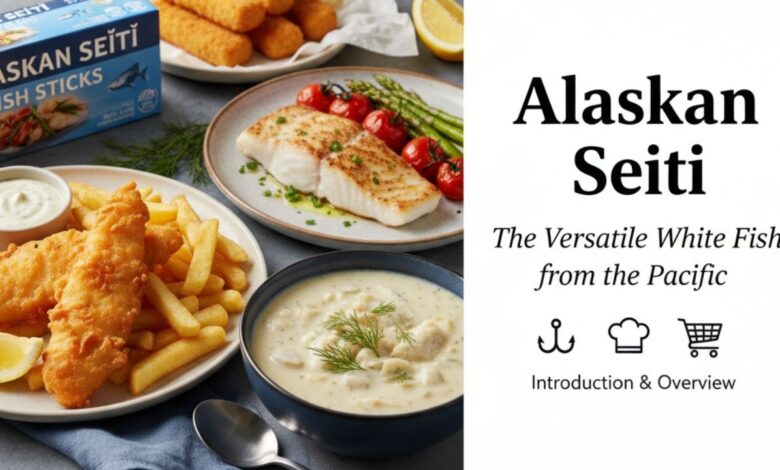
When shopping for affordable and nutritious seafood options, many people encounter a white-fleshed fish that has become a staple in kitchens worldwide. Known scientifically as Gadus chalcogrammus (formerly classified as Theragra chalcogramma), this species goes by several names depending on the region. In Finnish markets, it’s commonly called alaskan seiti, while English speakers refer to it as Alaska pollock, and in some Asian countries, it’s known as mintai.
This fish has earned its place as one of the most important commercial species globally. Its mild flavor, versatility in cooking, and relatively low price point make it accessible to families everywhere. From frozen fish sticks in supermarket aisles to crispy fish and chips at restaurants, this species plays a significant role in the modern seafood industry.
Biology & Physical Characteristics
Size and Growth
Alaska pollock typically grows to a length of 55 to 75 centimeters, though some individuals can reach slightly larger sizes under optimal conditions. The fish maintains a streamlined body shape that helps it navigate the cold waters of the northern Pacific efficiently.
Appearance and Taste Profile
The flesh of this fish is distinctively white and pale, making it visually appealing when cooked. One of its most notable characteristics is its mild flavor, which doesn’t carry the strong “fishy” taste that some people find off-putting in other seafood. This subtle taste makes it incredibly versatile for various cooking applications and recipes.
Family Classification
Alaskan seiti belongs to the Gadidae family, commonly known as the cod family. This classification places it alongside other popular whitefish species, and it shares many characteristics with its cod relatives, including flaky texture when cooked and adaptability to different preparation methods.
Habitat & Distribution
Geographic Range
The natural habitat of Alaska pollock spans a vast area of the northern Pacific Ocean. These cold-water fish thrive in the marine ecosystems that characterize this region, where ocean temperatures and food availability create ideal living conditions.
Specific Locations
The distribution range extends from the Sea of Japan in the west, through the waters surrounding Alaska, and down to the coastal areas of California. This wide geographic spread has made the species accessible to fishing industries in multiple countries, contributing to its global market presence.
Depth Preferences
These fish typically inhabit waters between 100 and 300 meters deep, where they form large schools. However, they’ve been documented at depths reaching 700 meters, demonstrating their ability to adapt to various oceanic conditions. This depth range places them in what marine biologists call the mesopelagic zone, where light begins to diminish but food sources remain abundant.
Life Cycle & Reproduction
Maturity Timeline
Alaska pollock reaches sexual maturity relatively quickly compared to some other commercial fish species. Most individuals are ready to reproduce by the time they reach 3 to 4 years of age, allowing for sustainable population regeneration when managed properly.
Spawning Behavior
During spawning season, these fish migrate to coastal areas where the water depth ranges from 50 to 100 meters. These shallower waters provide a more protected environment for eggs and newly hatched fish, increasing survival rates for the next generation.
Dietary Habits
The diet of Alaska pollock changes as they mature. Juvenile fish primarily consume plankton, feeding on the tiny organisms that drift through the water column. As they grow larger and develop hunting capabilities, adult fish transition to eating smaller fish species, creating a natural balance in the marine food web.
Commercial Uses
Primary Products
The commercial value of Alaskan seiti cannot be overstated. It appears in supermarket freezers worldwide in various forms, including frozen fish portions and individually packaged fillets. These products offer convenience to busy families who want nutritious meals without extensive preparation time.
Breaded fish sticks represent one of the most popular products made from this species. These convenient items have become a household staple, particularly for families with children. The mild taste and familiar breaded coating make them an easy introduction to seafood for young eaters.
The classic fish and chips combination frequently features Alaska pollock as the star ingredient. Its firm yet flaky texture holds up well to deep frying, and the neutral flavor allows the seasoning and batter to shine through.
Major fast-food chains, including Burger King and McDonald’s, have incorporated this fish into their menus. These establishments value the species for its consistency, availability, and the fact that its mild taste appeals to a broad customer base.
Surimi Production
One of the most interesting commercial applications involves processing the fish into surimi. This product serves as the base for imitation crab sticks, which have become popular in salads, sushi, and various Asian dishes. The neutral flavor and white color make it perfect for this transformation.
Roe Market
The eggs of Alaska pollock also have commercial value. Fish roe is considered a delicacy in many cultures, particularly in Asian markets, where it commands premium prices and is used in traditional dishes.
Culinary Applications
Flavor Characteristics
The defining feature of Alaskan seiti in the kitchen is its remarkably mild flavor. Unlike stronger-tasting fish such as mackerel or salmon, it doesn’t overpower other ingredients in a dish. The pale, white meat provides a clean canvas for various seasonings, marinades, and cooking techniques.
The low-fat content contributes to its delicate taste and lean texture. While this means the fish won’t have the rich, oily quality of fattier species, it also makes it an excellent choice for health-conscious individuals watching their caloric intake.
Common Cooking Methods
Oven Baking: One of the simplest preparation methods involves baking the fish in the oven. Placing seasoned fillets on a baking sheet with a drizzle of olive oil, lemon juice, and herbs creates a healthy meal in about 15-20 minutes.
Pan Frying: For those who prefer a slightly crispy exterior, pan frying works beautifully. A light dusting of flour or breadcrumbs, combined with butter or oil in a hot skillet, produces golden-brown fillets with a satisfying texture contrast.
Soups and Stews: The firm flesh holds together well in liquid-based dishes. Adding chunks of the fish to hearty soups or traditional fish stews provides protein without falling apart during cooking.
Popular Recipe Ideas
Creative home cooks have developed countless ways to prepare this versatile fish. Topping fillets with a Parmesan and herb crust before baking adds flavor and visual appeal. Creating fish tacos with cabbage slaw and lime crema offers a fresh, modern approach. Incorporating it into Asian-style curries or Mediterranean stews demonstrates its adaptability across cuisines.
Sustainability & Conservation
Primary Fishing Grounds
The majority of commercial fishing for Alaska seiti occurs in two main areas: the Bering Sea and the Gulf of Alaska. These waters have historically supported large populations of the species, making them economically important to fishing communities in Alaska and beyond.
Population Concerns
Between 2006 and 2008, scientists documented a concerning decline in population numbers, with estimates suggesting a decrease of approximately 38 percent. This sharp drop raised alarms among marine biologists and prompted discussions about fishing quotas and management strategies.
Environmental Organization Perspectives
Environmental groups, including Greenpeace, have voiced criticism regarding fishing practices and the potential for overexploitation. These organizations advocate for stricter regulations and monitoring to ensure the species doesn’t face the same collapse that has affected other commercial fish populations throughout history.
Certification and Sustainable Practices
Some fisheries have pursued Marine Stewardship Council (MSC) certification, which indicates adherence to sustainable fishing practices. This certification involves independent audits, stock assessments, and commitments to minimize environmental impact. Consumers looking for responsibly sourced seafood can look for the MSC blue label on packaging.
Market Availability
Frozen Products
The fish is sold primarily as frozen products rather than fresh, which makes sense given the distance from fishing grounds to most consumer markets. Freezing at sea or shortly after catch helps preserve quality and nutritional value.
Common Packaging Formats
Shoppers typically find the fish in standardized portions, with 400-gram packages being particularly common. Some brands offer individually vacuum-sealed fillets, while others provide bulk bags with multiple pieces.
Price Comparisons
Compared to domestic alternatives or more premium fish species, Alaska pollock generally offers significant cost savings. This affordability has contributed to its popularity among budget-conscious families who still want to incorporate seafood into their regular meal rotation.
Finnish Market Presence
In Finnish supermarkets, Alaskan Seiti appears under various store brands, including Pirkka, K-Menu, and Xtra. These budget-friendly options make seafood accessible to a wide range of consumers, regardless of income level.
Nutritional Profile
Protein Content
One of the most compelling nutritional attributes is the high protein content. A typical serving provides substantial amounts of this essential macronutrient, which supports muscle maintenance, immune function, and overall health.
Low-Fat Characteristics
The fish is exceptionally low in fat, making it one of the leanest protein sources available. For individuals following low-fat diets or managing conditions that require fat restriction, this fish serves as an excellent choice.
Lean White Fish Benefits
As a lean white fish, it provides essential nutrients without excessive calories. It contains important minerals and vitamins while maintaining a nutritional profile that fits into various dietary approaches, from weight management to heart-healthy eating plans.
Preparation Tips
Thawing Methods
Proper thawing significantly impacts the final texture and taste of the fish. The recommended method involves transferring frozen fillets from the freezer to the refrigerator and allowing them to thaw slowly overnight. This gradual process preserves moisture and texture.
For faster thawing, placing sealed fish in a bowl of cold water works effectively. Changing the water every 30 minutes ensures it stays cold and accelerates the thawing process. Avoid using hot water or microwaving for thawing, as these methods can partially cook the fish and create an undesirable texture.
Cooking from Frozen vs. Thawed
While thawing is generally recommended, some preparations work well with frozen fillets. Baking frozen fish requires slightly longer cooking times and lower temperatures to ensure the center cooks through without burning the exterior.
Thawed fish offers more versatility in cooking methods and typically produces better results for pan frying or grilling. The surface moisture has evaporated, allowing for better browning and crisping.
Recommended Cooking Times and Temperatures
For oven baking, a temperature of 200°C (400°F) works well for thawed fillets, requiring approximately 12-15 minutes depending on thickness. The fish is done when it flakes easily with a fork and reaches an internal temperature of 63°C (145°F).
Pan frying typically takes 3-4 minutes per side over medium-high heat. The key is achieving a golden crust while keeping the interior moist and tender.
Conclusion
Alaska pollock has earned its position as a global seafood staple through a combination of affordability, versatility, and nutritional benefits. Whether purchased as frozen fillets in a Finnish supermarket or enjoyed as fish and chips at a restaurant, this species provides accessible protein to millions of people worldwide. By understanding its characteristics, cooking methods, and the importance of sustainable fishing practices, consumers can make informed choices that benefit both their health and ocean ecosystems.