Asbestlint: Types, Health Risks, and Safe Handling
Asbestlint is a term commonly used in discussions about old buildings, renovation projects, and asbestos safety. Yet many people are unsure what it actually refers to, how dangerous it can be, or what to do if they encounter it. In some contexts, asbestlint tape or strip refers to a tape or strip made from asbestos fibers that was historically used for insulation and sealing. In other cases, it refers to warning tape used to mark asbestos-contaminated areas. Understanding the difference is essential for safety, regulatory compliance, and protecting your health. This article explains what asbestos is, how it was used, the risks involved, and what to do if you come across it.
What Is Asbestlint?
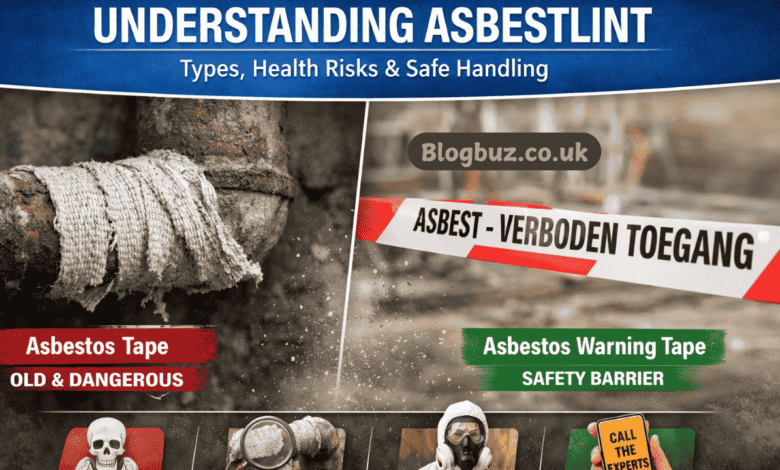
The word asbestlint comes from Dutch, where asbest means asbestos and lint means tape or strip. Broadly, it can describe two different things:
- Asbestos-containing tape or woven strip – a historical construction material made from asbestos fibers.
- Asbestos warning or barrier tape – modern plastic tape printed with warnings to mark hazardous areas.
Both uses are common in practice, but they differ significantly in terms of risk and purpose. The first is a dangerous material that may release fibers, while the second is a safety product designed to prevent exposure.
Historical Use of Asbestlint in Construction
Prior to the widespread recognition of asbestos’s health hazards, it was considered a miracle material. It was cheap, durable, fire-resistant, and an excellent insulator. For these reasons, asbestlint made from asbestos fibers was widely used from the early 20th century until the 1980s and 1990s in many countries.
Typical applications included:
- Wrapping around hot water and steam pipes
- Sealing joints in heating systems
- Insulating boilers and furnaces
- Fireproofing cables and ducts
- Reinforcing gaskets and industrial equipment
The tape was often white or gray, fibrous, and could be woven or braided. In many older buildings, it may still be present behind walls, in basements, or in technical rooms.
Why Asbestlint Is Dangerous
Asbestos is now recognized as being exceptionally dangerous to human health. The danger does not come from brief contact, but from inhaling microscopic fibers released when asbestos-containing materials are damaged, cut, or deteriorate over time.
Health risks include:
- Mesothelioma – an uncommon yet aggressive malignancy that impacts the lining of the lungs or abdomen
- Lung cancer
- Asbestosis – a chronic lung disease causing scarring and breathing problems
- Pleural thickening – reduced lung function due to tissue damage
These diseases often develop decades after exposure, which is why asbestos use continued for many years before the full impact became clear.
If old asbestlint is intact and undisturbed, it may not immediately release fibers. However, renovation work, drilling, or removal can turn it into a serious health hazard.
Asbestlint vs. Asbestos Warning Tape
It is important not to confuse asbestos-containing tape with asbestos warning tape.
Asbestos-containing asbestlint
- Made with real asbestos fibers
- Found in older buildings and installations
- Dangerous if damaged or handled incorrectly
- Subject to strict regulations and removal rules
Asbestos warning tape (afzetlint)
- Made of plastic such as polyethylene
- Printed with words like “Asbest – verboden toegang” (Asbestos – no entry)
- Used to block off contaminated areas
- Completely safe to touch and handle
Both may be called “asbestlint” in everyday language, which can lead to misunderstandings. When discussing safety or renovation, always clarify which type is meant.
How to Recognize Possible Asbestlint in a Building
Identifying asbestos visually is difficult, even for professionals. However, there are some warning signs that a tape or strip may contain asbestos:
- The building was constructed before the 1990s
- The tape looks fibrous, cloth-like, or brittle
- It is wrapped around old metal pipes or boilers
- It is white, gray, or slightly yellowed
- It crumbles or produces dust when touched
If you suspect something is asbestos, do not touch it, cut it, or remove it yourself. The safest option is to treat it as hazardous until proven otherwise by laboratory testing.
What To Do If You Find Asbestlint
Finding potential asbestos material can be alarming, but a calm and structured response is best. Do not disturb it
Avoid touching, tearing, or cleaning the material. Disturbance releases fibers into the air.
Limit access
Keep people away from the area, especially children and pets. If possible, close doors or isolate the space.
Contact professionals
Hire a certified asbestos inspection or removal company. They can safely collect samples and confirm whether the material contains asbestos.
Follow legal requirements
Many countries require official notification and the use of licensed contractors for asbestos removal. Non-compliance with regulations may result in penalties and significant health hazards.
If the area must remain restricted, asbestos warning tape can be used to clearly mark the danger zone.
Legal and Regulatory Aspects
Most developed countries have banned the production and sale of asbestos materials, including asbestlint made from asbestos fibers. However, existing materials in older buildings are still legal to remain in place if they are undamaged and managed properly.
Common legal principles include:
- Only trained professionals may remove asbestos
- Waste must be disposed of in special hazardous material facilities
- Property proprietors bear the responsibility for maintaining safe conditions
- Renovation projects often require asbestos surveys
Local laws differ, so always consult national or regional authorities when asbestos is suspected.
Safe Alternatives to Asbestlint Today
Modern construction no longer uses asbestos, but many safer alternatives exist with similar properties.
Examples include:
- Fiberglass tape
- Ceramic fiber tape
- Mineral wool insulation
- PTFE (Teflon) sealing tape
- High-temperature silicone products
These materials provide heat resistance and insulation without the long-term health risks associated with asbestos.
The Role of Asbestlint in Asbestos Awareness and Safety
The term “asbestlint” has become part of the wider public’s awareness of asbestos hazards. It appears in safety guides, renovation checklists, and training programs for construction workers.
Using the term responsibly in documentation and communication helps:
- Prevent accidental exposure
- Educate homeowners and workers
- Encourage professional handling
- Reduce long-term health risks
Even the use of asbestos warning tape labeled asbestlint serves a symbolic role, reminding people that Asbestos continues to pose an unseen threat in numerous older structures.
Common Myths About Asbestlint
“It’s only dangerous if you touch it.”
False. The danger comes from inhaling fibers, not from skin contact alone.
“Old asbestos tape is safe if it looks solid.”
Not necessarily. Aging materials can release fibers even without visible damage.
“I can remove a small piece myself.”
This is risky and often illegal. Professional equipment and procedures are required.
“All asbestlint is dangerous.”
No. Warning tape labeled for asbestos is safe; only asbestos-containing tape is hazardous.
Conclusion
Asbestlint is a small word with serious implications. Whether it refers to historical asbestos-containing tape or modern warning tape, understanding the term can protect lives, prevent costly mistakes, and ensure compliance with safety regulations.
You May Also Read: How Professional Pest Control Companies Keep Homes Safe and Healthy