The Business Computing World: How Digital Technology Is Redefining Modern Enterprises
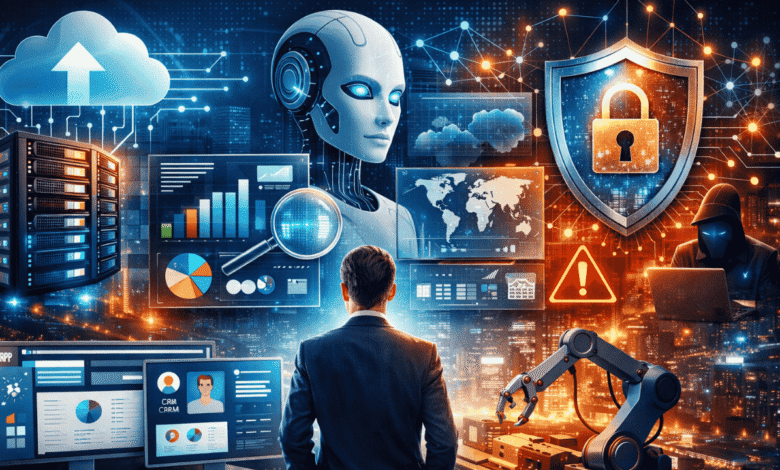
The business computing world has become the foundation of how modern organizations operate, compete, and grow. From cloud platforms and artificial intelligence to cybersecurity and data analytics, computing technologies now influence every department in a company—finance, marketing, operations, human resources, and customer service. What was once limited to back-office IT support has evolved into a strategic engine that drives innovation and long-term success. In today’s digital economy, businesses that understand and adapt to the world of business computing are better positioned to scale efficiently, protect valuable information, and deliver superior customer experiences. This article explores what the business computing world really means, its core components, emerging trends, and how organizations can leverage it to remain competitive.
Understanding the Business Computing World
The business computing world refers to the ecosystem of technologies, systems, and processes that organizations use to manage operations, analyze information, communicate with customers, and make data-driven decisions. It combines traditional information technology (IT) with modern digital technologies such as cloud computing, artificial intelligence (AI), machine learning, and automation.
In earlier decades, business computing mainly involved accounting software, spreadsheets, and internal databases. Today, it includes enterprise resource planning (ERP) systems, customer relationship management (CRM) platforms, real-time analytics dashboards, cybersecurity frameworks, and global collaboration tools.
This shift has changed the role of technology from a support function to a strategic business partner. Leaders no longer ask whether to invest in computing infrastructure; instead, they ask how to use it most effectively to create value.
The Evolution of Business Computing
To appreciate the modern business computing world, it is helpful to understand how it evolved:
- Mainframe Era (1960s–1980s)
Large organizations used centralized computers to process payroll, inventory, and accounting data. - Personal Computer Era (1980s–1990s)
Desktop computers brought computing power directly to employees, increasing productivity and decentralizing information access. - Internet Era (1990s–2000s)
Email, websites, and e-commerce transformed how companies communicated and sold products globally. - Cloud and Mobile Era (2010s–present)
Businesses adopted cloud services, smartphones, and remote collaboration tools, enabling flexible work environments and rapid scalability.
Each phase expanded the reach and importance of computing in business. Today’s environment is defined by constant connectivity, massive data volumes, and intelligent systems that learn and adapt.
Core Components of the Business Computing World
The modern business computing world is built on several interconnected pillars:
Cloud Computing Infrastructure
Cloud computing enables organizations to store data, run applications, and process information on remote servers rather than on local hardware. This reduces capital costs, improves reliability, and enables rapid scaling.
Key benefits include:
- Pay-as-you-go pricing models
- High availability and disaster recovery
- Global accessibility
- Faster deployment of new services
Cloud platforms such as Infrastructure as a Service (IaaS) and Software as a Service (SaaS) have become standard across industries.
Data and Analytics
Data is often called the “new oil” of the digital economy. In the business computing world, organizations collect information from sales systems, customer interactions, sensors, social media, and supply chains.
Advanced analytics tools help companies:
- Identify trends and patterns
- Forecast demand
- Optimize pricing strategies
- Detect fraud
- Improve customer satisfaction
Business intelligence dashboards transform raw data into visual insights that executives can use for strategic planning.
Artificial Intelligence and Automation
AI has moved beyond research labs into everyday business applications. Chatbots handle customer inquiries, algorithms recommend products, and robotic process automation (RPA) completes repetitive administrative tasks.
AI in the business computing world offers:
- Faster decision-making
- Reduced human error
- Lower operational costs
- Personalized customer experiences
As AI models become more sophisticated, they are expected to support complex activities such as financial forecasting, supply chain optimization, and talent management.
Cybersecurity and Risk Management
With increased connectivity comes increased risk. Cyber threats such as ransomware, phishing, and data intrusions pose serious dangers to organizations of all sizes.
Cybersecurity is a central pillar of the business computing world, involving:
- Network protection systems
- Identity and access management
- Encryption technologies
- Continuous monitoring
- Employee security training
Strong cybersecurity not only protects assets but also builds trust with customers and business partners.
Enterprise Software Systems
Enterprise applications integrate different business functions into a single digital environment. Examples include:
- ERP systems for finance and operations
- CRM systems for customer management
- HR management platforms
- Supply chain management tools
These systems enable real-time collaboration across departments, improving efficiency and reducing data silos.
The Role of Digital Transformation
Digital transformation is the process of rethinking business models, workflows, and customer engagement using modern computing technologies. It is not just about upgrading hardware or installing new software—it involves cultural change, leadership commitment, and continuous innovation.
In the business computing world, digital transformation helps organizations:
- Launch new digital products and services
- Improve internal efficiency
- Respond quickly to market changes
- Enhance customer experience across digital channels
Companies that fail to adapt often struggle against more agile, technology-driven competitors.
Benefits of Embracing the Business Computing World
Organizations that actively invest in modern computing technologies gain several advantages:
Improved Operational Efficiency
Automation reduces manual work, minimizes errors, and speeds up processes such as billing, reporting, and customer support.
Better Decision-Making
Real-time analytics provide accurate insights into performance metrics, enabling leaders to make informed strategic choices.
Scalability and Flexibility
Cloud platforms enable businesses to scale resources up or down based on demand, avoiding unnecessary infrastructure costs.
Enhanced Customer Experience
Digital tools personalize interactions, improve response times, and provide consistent service across channels.
Competitive Advantage
Companies that innovate with technology can introduce new offerings faster, adapt to industry changes, and outperform traditional competitors.
Challenges in the Business Computing World
Despite its benefits, the business computing world also presents challenges:
Skill Gaps
Many organizations struggle to find employees with expertise in data science, cybersecurity, and cloud architecture.
Integration Complexity
Connecting legacy systems with modern platforms can be costly and technically difficult.
Data Privacy Regulations
Laws such as GDPR and other data protection frameworks require strict compliance, adding complexity to data management.
Cybersecurity Threats
As systems become more interconnected, attack surfaces expand, increasing the need for continuous security investment.
Successfully navigating these challenges requires long-term planning and strong leadership.
Emerging Trends Shaping the Business Computing World
Several trends are shaping the next phase of business computing:
Edge Computing
Processing data closer to its source (such as IoT devices) reduces latency and improves performance for real-time applications.
Hybrid Work Technologies
Remote collaboration platforms and secure virtual workspaces support flexible employment models.
Green Computing
Organizations are investing in energy-efficient data centers and sustainable IT practices to reduce environmental impact.
Low-Code and No-Code Platforms
These tools allow non-technical employees to build applications, accelerating innovation and reducing reliance on specialized developers.
Advanced AI and Predictive Analytics
Future systems will not only analyze past data but also anticipate future outcomes with greater accuracy.
How Businesses Can Succeed in the Business Computing World
To thrive in this digital environment, organizations should consider the following strategies:
- Develop a Clear Technology Roadmap
Align computing investments with long-term business goals. - Invest in Employee Training
Upskill staff to work effectively with new technologies. - Prioritize Cybersecurity
Implement strong security frameworks and regular audits. - Adopt Scalable Cloud Solutions
Avoid rigid infrastructure that limits growth. - Encourage Innovation Culture
Support experimentation and continuous improvement.
By taking a proactive approach, companies can transform technology from a cost center into a powerful growth engine.
Conclusion
The business computing world is no longer a separate technical domain—it is the backbone of modern enterprise strategy. From cloud infrastructure and artificial intelligence to cybersecurity and analytics, computing technologies shape how organizations operate, compete, and connect with customers.
You May Also Read: Integrated Business Solutions Meaning: A Complete Guide for Modern Businesses