Clayton Blackmore: Story of Manchester United’s Versatile Welsh Legend
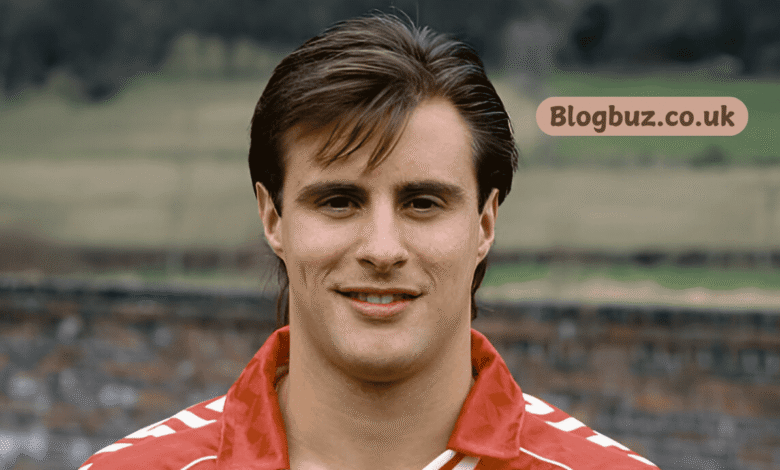
Football fans discuss the great utility players of the modern English game; the name Clayton Blackmore deserves a prominent place. A product of Manchester United’s youth system, a Premier League champion, and a long-serving Welsh international, Blackmore built a career on versatility, discipline, and consistency. While he may not always be the first name mentioned among the superstars of the Sir Alex Ferguson era, his contribution to club and country remains significant. This in-depth article explores the life, career, achievements, and legacy of Clayton Blackmore, one of Wales’ most dependable football exports.
Early Life and Background
Clayton Graham Blackmore was born on 23 September 1964 in Neath, Wales, a town with strong sporting traditions. Like many young boys in South Wales, he grew up passionate about football, spending countless hours playing in local parks and school grounds.
His talent was evident from a young age. Scouts quickly recognised his athleticism, technical ability, and strong work ethic. These qualities eventually led him to join Manchester United’s youth ranks, one of the biggest clubs in world football, while still a teenager.
Moving from Wales to Manchester was a major step, but it proved to be the foundation for a career extending nearly three decades in professional football.
Breakthrough at Manchester United
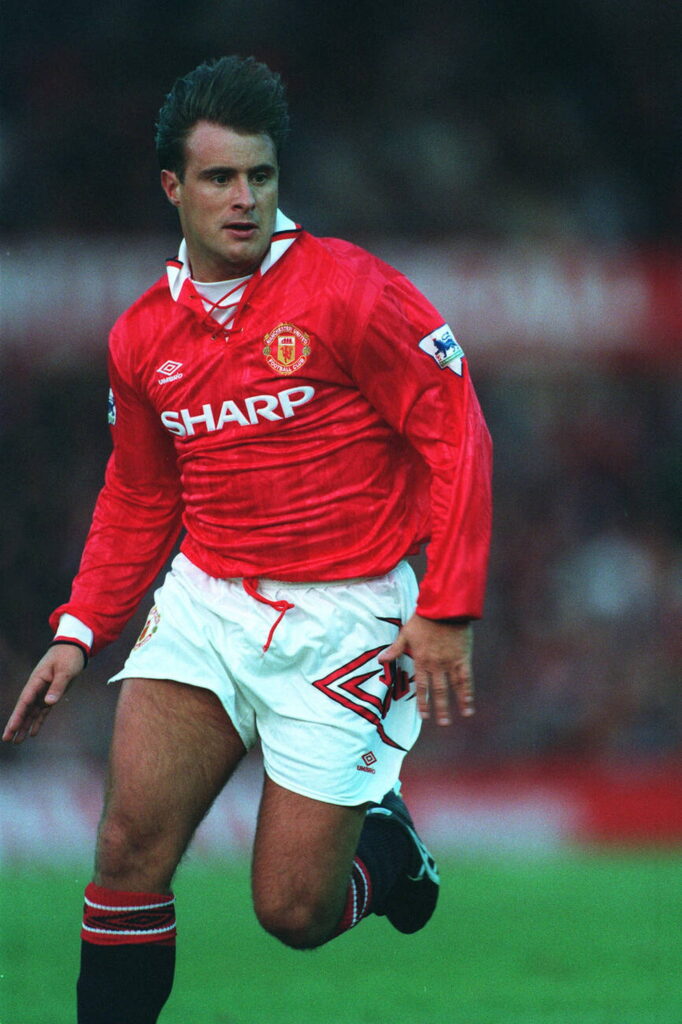
Clayton Blackmore turned professional with Manchester United in 1982, joining a squad undergoing change and rebuilding. The club would soon be transformed under the management of Sir Alex Ferguson, who arrived in 1986 and began shaping the team that would dominate English football in the 1990s.
Establishing Himself in the First Team
Blackmore made his senior debut in the mid-1980s and gradually earned his place in the squad. What set him apart was his remarkable versatility:
- Left-back
- Right-back
- Central defender
- Left midfield
- Central midfield
Few players could adapt so easily to different roles, and this made him extremely valuable to Ferguson, who often relied on adaptable players to cope with injuries and tactical changes.
Major Achievements with Manchester United
During his time at Old Trafford (1982–1994), Clayton Blackmore enjoyed considerable success, including:
- First Division / Premier League title (1992–93) – United’s first league championship in 26 years
- FA Cup (1989–90)
- European Cup Winners’ Cup (1990–91)
- European Super Cup (1991)
In total, Blackmore made over 180 league appearances for Manchester United and scored several important goals, often from free kicks or long-range efforts.
Though he was not always a guaranteed starter, he was a trusted squad member throughout one of the club’s most important transitional periods.
Playing Style and Strengths
Clayton Blackmore was never described as flashy, but his style was highly effective.
Key Attributes
- Versatility: Able to fill almost any position across defence and midfield
- Work rate: Tireless running and strong commitment in every match
- Defensive awareness: Excellent positioning and tackling
- Set-piece ability: Capable of scoring from free kicks and long shots
- Mental toughness: Reliable under pressure in big matches
Managers value players like Blackmore because they provide balance to a squad. He allowed attacking stars to flourish by doing the less glamorous work—defending, tracking runners, and maintaining tactical shape.
International Career with Wales
Alongside his club success, Clayton Blackmore also served his country with distinction.
He earned 39 caps for Wales between 1985 and 1997, scoring once. His international debut came against Norway in February 1985.
During this era, Wales often struggled to qualify for major tournaments, competing in a tough European qualification environment. Despite this, Blackmore remained a regular selection thanks to his reliability and experience at top-level club football.
For over a decade, he represented Welsh football with professionalism, becoming one of the country’s most recognisable players of the period.
Move to Middlesbrough and Later Playing Career
By the mid-1990s, Manchester United had evolved again, with younger stars like Gary Neville, David Beckham, and Paul Scholes emerging. In 1994, Clayton Blackmore left Old Trafford and joined Middlesbrough.
Middlesbrough Years (1994–1999)
At Middlesbrough, Blackmore:
- Played more regularly
- Helped the club gain promotion to the Premier League
- Appeared in the 1997 FA Cup Final
- Provided leadership to a developing squad
His time on Teesside added another important chapter to his career and proved that he could still compete at a high level outside Manchester United.
Later Clubs
After leaving Middlesbrough, Blackmore played for several clubs, including:
- Bristol City (loan)
- Barnsley
- Notts County
- Leigh RMI
- Bangor City
- Porthmadog
- Neath Athletic
He spent many years in Welsh football during the later stages of his career, helping smaller clubs with his experience and professionalism before finally retiring in 2010.
Transition into Management and Coaching
Like many former players, Clayton Blackmore remained involved in football after hanging up his boots.
Management Roles
He managed:
- Bangor City (2006)
- Porthmadog (2007)
Although his managerial career did not reach the same heights as his playing days, he gained valuable experience working with young players and semi-professional teams.
Coaching and Mentoring
Blackmore later moved into coaching and youth development roles, including:
- Academy coaching work
- Mentoring young players in the UK and abroad
- A reported coaching spell in Eastern Europe with Dynamo Brest Academy
His focus has often been on teaching discipline, positional awareness, and professionalism—qualities that defined his own career.
Life After Football
In retirement, Clayton Blackmore has remained active within the football community.
He has:
- Appeared as a media pundit and guest speaker
- Attended Manchester United legends’ events
- Shared insights into professional football and life under Sir Alex Ferguson
- Worked as a motivational speaker at corporate and sporting events
His experiences during one of Manchester United’s most important eras make him a popular figure at fan gatherings and sports conferences.
Clayton Blackmore’s Legacy
Although he never enjoyed the global celebrity of some teammates, Clayton Blackmore’s legacy is built on substance rather than spotlight.
Why He Is Remembered
- A loyal servant to Manchester United during their rise to dominance
- One of Wales’ most dependable internationals of the late 20th century
- A model professional respected by teammates and managers
- A reminder of the importance of squad players in championship teams
Modern football increasingly values tactical flexibility, and in many ways, Blackmore was ahead of his time—a true utility footballer long before the term became fashionable.
Interesting Facts About Clayton Blackmore
- He played in nearly every outfield position during his professional career.
- He won European silverware before Manchester United’s famous Champions League triumph in 1999.
- He represented Wales for over 12 years.
- He continued playing football professionally into his mid-40s.
- He remains closely associated with the Manchester United legends’ community.
Conclusion
The story of Clayton Blackmore is one of dedication, adaptability, and quiet excellence. From the streets of Neath to the bright lights of Old Trafford, from Premier League titles to grassroots Welsh football, his career reflects the journey of a true professional.
You May Also Read: Rachel Yankey: The Legendary Pioneer Who Changed Women’s Football in England