Cooling System Basics Every Subaru SUV Driver Should Know
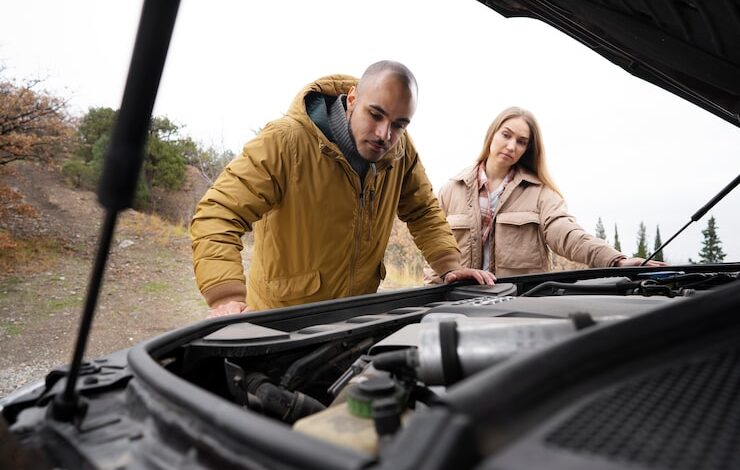
Owning a Subaru is often a commitment to a specific type of lifestyle—one defined by weekend excursions, mountain trails, and the reliability of a vehicle designed for all-weather capability. However, the very engineering that makes these vehicles so capable also introduces unique requirements for their upkeep. Central to this is the cooling system, which plays a more complex role in a Subaru than in many other vehicles due to the distinctive horizontally opposed Boxer engine. For those currently exploring Subaru SUV’s for sale, understanding the basics of this system is not just about maintenance; it is about protecting the heart of your investment. Because a Subaru’s engine sits lower and flatter than a standard inline engine, the way it manages heat—and the way you must manage its coolant—is specialized knowledge every owner should possess.
The Boxer Engine and Heat Management
The defining characteristic of a Subaru SUV is its Boxer engine. Unlike traditional “V” or “inline” engines where the cylinders stand upright, the Boxer engine has pistons that move horizontally, like a boxer throwing punches. This creates a low center of gravity, which is fantastic for handling, but it also creates a unique footprint for the cooling system. In a Boxer engine, the coolant must travel across a wider, flatter surface area to reach all four (or six) cylinders equally.
Because the engine is laid out horizontally, it is more susceptible to “air pockets” within the cooling system. If air becomes trapped in the coolant passages, it can create “hot spots” where the metal isn’t being cooled at all. This is why Subaru cooling systems are notoriously difficult to “burp”—the process of removing trapped air after a fluid change. Ensuring that your cooling system is completely free of air is vital to preventing the warped heads or blown gaskets that were more common in older generations of these engines.
The Mystery of Subaru Blue vs. Green Coolant
If you open the hood of a Subaru, the first thing you might notice is the color of the fluid in the overflow reservoir. Subaru has used two primary types of coolant over the years, and they are generally not meant to be mixed.
- Subaru Long Life Coolant (Green): Typically found in models built before 2008, this fluid is designed for a shorter service interval, usually requiring a flush every 30,000 miles or 24 months.
- Subaru Super Coolant (Blue): Found in almost all modern Subaru SUVs, this is a “Super Long Life” formula. It is designed to last significantly longer—often up to 137,500 miles or 11 years for the factory fill.
Mixing these two can lead to “gelling,” where the chemicals react and create a thick sludge that can clog the narrow passages of your radiator. Always check your owner’s manual or the color of the existing fluid before topping off.
The Role of the Thermostat and Water Pump
In a Subaru, the thermostat is the gatekeeper of the cooling system. It stays closed when you first start your car to help the engine reach operating temperature quickly, then opens to allow coolant to flow through the radiator once things get hot. A unique quirk of many Subaru models is that the thermostat is located at the bottom of the engine rather than the top.
The water pump, usually driven by the timing belt or a separate serpentine belt depending on the year, is the “heart” that pumps the fluid. Because the water pump is often tucked away behind other components, it is common practice to replace it during a timing belt service (around every 100,000 miles). If the water pump fails, the coolant stops moving, and a Boxer engine can reach dangerous temperatures in a matter of minutes.
Recognizing the Symptoms of Cooling Failure
Subaru SUVs are rugged, but they aren’t invincible. There are five key warning signs that your cooling system needs immediate attention:
- The “Sweet” Smell: Coolant has a distinct, sugary odor. If you smell this after a drive, you likely have a small leak evaporating on a hot engine component.
- Dashboard Indicators: Modern Subarus often use a blue light to indicate a cold engine and a flashing red light for an overheating one. If the red light stays on, pull over immediately.
- Low Overflow Levels: It is normal for the level in the plastic “overflow” bottle to fluctuate slightly, but if it is consistently empty, you are losing fluid somewhere.
- Noisy Radiator Fans: If your fans are running at high speed even during short, easy drives, the system is struggling to shed heat.
- External Puddles: Bright blue or green fluid on your driveway is a clear sign of a failing hose, radiator, or water pump seal.
The Symmetrical AWD Load Factor
One reason Subaru cooling systems work so hard is the standard Symmetrical All-Wheel Drive. Unlike front-wheel-drive cars that only engage the rear wheels when they slip, a Subaru is constantly sending power to all four wheels. This creates a “parasitic load” on the engine, especially when driving up steep mountain passes or through deep snow.
This extra work generates extra heat. If you use your Subaru for towing or frequent off-road adventures, your cooling system is under more stress than the average commuter’s. For these drivers, “severe duty” maintenance intervals—which involve more frequent coolant inspections and flushes—are highly recommended to ensure the Boxer engine doesn’t suffer from heat-related fatigue over time.
The Importance of the Radiator Cap
It might seem like a simple lid, but the radiator cap is actually a sophisticated pressure-relief valve. The cooling system in your Subaru is pressurized to raise the boiling point of the coolant. If the cap’s seal fails or the spring loses its tension, the system won’t hold pressure, and the coolant will boil at a much lower temperature, leading to steam and overheating.
Over time, the rubber seals on the cap can perish or become “swollen” due to oil contamination. Replacing the radiator cap every few years is one of the cheapest and most effective ways to prevent an unexpected breakdown. It is a small part that performs a massive job in keeping the Boxer engine’s internal environment stable.
Conclusion
A Subaru SUV is built to take you further, but its longevity is directly tied to how well you manage its temperature. By understanding the unique layout of the Boxer engine, the specific requirements of Subaru Super Coolant, and the warning signs of a failing water pump or thermostat, you can avoid the most common pitfalls of ownership. Regular maintenance of the cooling system isn’t just a chore; it’s a vital part of the “Subaru experience,” ensuring that your vehicle remains as dependable on its 200,000th mile as it was on its first. When the cooling system is healthy, you can focus on the trail ahead, knowing that the heart of your Subaru is staying perfectly chill.