Discover How Terraced Landscapes Add Beauty And Stability
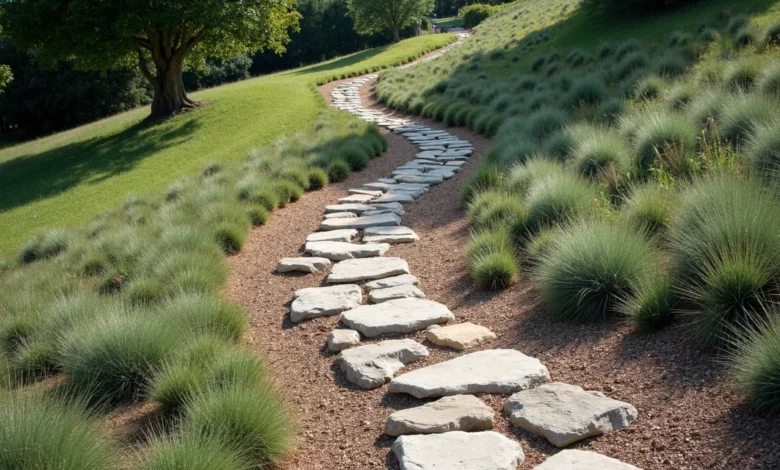
Steep yards often feel like wasted space. Soil washes away in heavy rains, grass struggles to take hold, and outdoor living dreams get postponed season after season. Yet those same slopes can become some of the most dramatic, functional, and valuable areas of your property when shaped with intention.
Terraced landscapes turn vertical challenges into layered outdoor rooms. Instead of one long, awkward incline, you gain a series of level spaces that can host seating areas, gardens, play zones, or quiet retreats. At the same time, you protect your home and landscape from erosion and runoff.
How Terracing Works With Nature
Terracing alters how water and gravity interact in your yard. On an untreated slope, water races downhill, carrying soil, mulch, and nutrients. Over time, this can create ruts, undermine plant roots, and even direct water toward your foundation or hardscape.
A terrace introduces a series of short steps rather than a single long slide. Each level slows stormwater, giving it a chance to soak into the ground. The retaining edges of each terrace hold the soil in place, while plant roots knit the surface together. The result is a landscape that feels stable underfoot and behaves more predictably in severe weather.
Thoughtful terracing design also considers sunlight, wind, and microclimates. Upper terraces may receive intense sun and are well-suited to heat-loving perennials or ornamental grasses. Lower terraces, closer to the home, can be ideal for shaded sitting areas, edible gardens, or lush groundcovers.
Blending Structure And Style
The structural elements of a terraced yard do much more than hold back soil. They set the tone for your entire outdoor aesthetic. Materials, lines, and transitions between levels should all echo the architecture and interior style of your home for a cohesive look.
- Stone creates an established, timeless feel and works beautifully with traditional or European-inspired homes.
- Smooth concrete or large-format pavers read modern and minimal, especially when paired with simple plant palettes.
- Timber and mixed materials bring warmth and a relaxed, contemporary edge to family-oriented spaces.
Wide steps, integrated landings, and gentle transitions between terraces make movement easy and inviting. Consider seating walls that double as retaining elements, built-in planters along stairways, or low lighting tucked into risers to extend usability into the evening. Railings, if needed, can echo interior finishes for a seamless indoor-outdoor connection.
Turning Runoff Into A Design Feature
Stormwater management can be both practical and beautiful in a terraced landscape. Instead of hiding drainage solutions, many homeowners are turning them into focal points. Dry creek beds, stone swales, and artful channels guide water gracefully from one level to the next.
Planting choices amplify this effect. Deep-rooted shrubs, ornamental grasses, and native perennials help anchor slopes while adding color and movement. Groundcovers fill gaps, soften hard edges, and reduce the need for constant mulching. In key areas, integrating terracing for erosion control with thoughtfully placed rain gardens can help capture and filter runoff during heavy downpours.
Smart irrigation design supports the system. Drip lines or low-flow emitters targeted to planting zones reduce overspray and prevent water from cascading over terrace edges. Grouping plants by water needs also keeps maintenance manageable over time.
Designing Terraces For Everyday Living
A terraced yard succeeds when it feels like an extension of your indoor lifestyle, not just a clever engineering solution. Before shaping the land, it helps to envision how each level might function day to day.
One terrace might host a dining area with views over the rest of the garden. Another could become a lounge space with a fire feature and built-in seating. Lower levels might transition into a children’s play lawn, a small orchard, or a kitchen garden with raised beds. Even modest slopes can accommodate a sequence of narrow platforms just wide enough for benches, planters, or sculptural plantings.
Comfort and access matter as much as appearance. Generous stair treads, handholds where needed, and strategically placed landings make the space welcoming to people of all ages. Shade structures, pergolas, or thoughtfully placed trees can make upper terraces feel usable even on sunny afternoons.
Planning For Longevity
Because terraces reshape the land, long-term planning is essential. Proper base preparation, drainage, and structural support determine how well the design will age. When built correctly, terraces can reduce maintenance rather than add to it.
Plant for growth, not just immediate impact. Allow space for mature sizes so roots can spread and stabilize the soil without overcrowding. Choose hardy varieties that thrive in your climate and exposure, so the landscape continues to fill in and knit together year after year. Mulch, organic matter, and thoughtful soil preparation help new plantings establish quickly on newly formed levels.
Lighting, power access, and future upgrades are worth considering early. Even if you start with simple plant-focused terraces, having the infrastructure in place makes it easy to add outdoor kitchens, water features, or additional seating areas later.
From Problem Slope To Signature Space
What begins as an unruly hill can become the most distinctive part of your property. Terraced landscapes transform runoff into rhythm, steep grades into layered living spaces, and bare soil into textured, resilient plantings. With an eye toward both structure and style, the once-problem slope can evolve into a signature outdoor environment that feels intentional, secure, and inviting in every season.