Essential Maintenance Tips for Cotton Picking Equipment
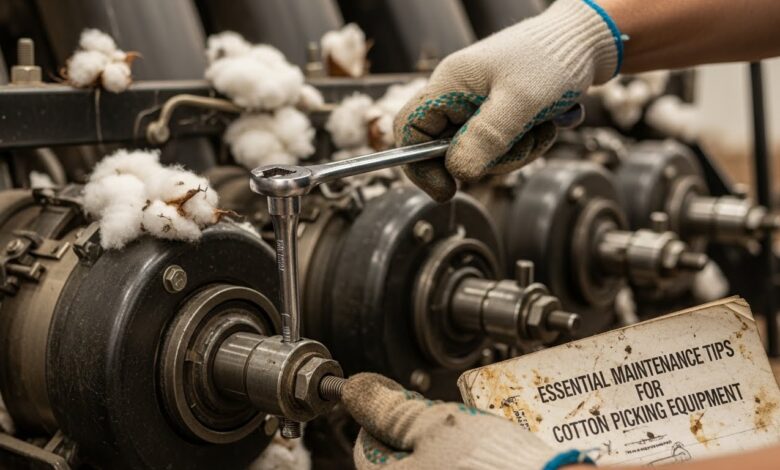
Maintaining cotton picking equipment is one of the most important responsibilities for growers who want consistent yields, reduced downtime, and longer machine life. Cotton pickers operate in demanding conditions, often running long hours in dusty fields during peak harvest season. Without a structured maintenance plan, even small issues can quickly escalate into costly repairs or lost productivity. This guide covers essential maintenance tips for cotton picking equipment, helping you protect your investment and keep your operation running smoothly from the first boll to the last.
Understand Your Equipment and Its Wear Points
Every cotton picker is a complex system made up of moving, rotating, and high-wear components. Understanding how these systems work together is the foundation of effective maintenance. Key areas of wear typically include spindles, doffers, moistening systems, belts, chains, bearings, and hydraulic components. These parts are constantly exposed to dust, plant residue, moisture, and vibration. Knowing which components wear fastest allows operators to inspect them more frequently and replace parts before failure occurs. Reviewing the manufacturer’s maintenance manual and keeping a checklist tailored to your specific model helps ensure nothing is overlooked.
Perform Daily Pre-Operation Inspections
Daily inspections are one of the simplest and most effective ways to prevent breakdowns. Before starting the machine each day, walk around the picker and look for obvious issues such as loose bolts, leaking fluids, damaged hoses, or worn belts. Check spindle condition and alignment, as bent or excessively worn spindles reduce picking efficiency and increase strain on other components. Verify that shields and guards are secure and that no debris has accumulated near moving parts. These short inspections can save hours of downtime later in the day when repairs are far more disruptive.
Keep Spindles and Doffers Clean and Properly Maintained
Spindles and doffers are at the heart of cotton picking performance. Dirty or poorly maintained spindles reduce cotton removal efficiency and can lead to excessive plant damage. Regular cleaning is essential, especially in dusty or sticky field conditions. Ensure spindles rotate freely and are properly lubricated according to manufacturer recommendations. Doffers should be inspected for wear and correct spacing, as worn doffers can cause cotton loss or wrapping issues. Replacing worn components with quality replacements, such as John Deere cotton picker parts, helps maintain optimal performance and ensures compatibility with your machine.
Maintain the Moistening and Lubrication Systems
The moistening system plays a critical role in spindle performance by keeping spindles properly lubricated and reducing wear. Inspect water tanks, filters, lines, and nozzles daily to ensure consistent flow. Clogged filters or nozzles can lead to dry spindles, increased friction, and premature wear. Use the recommended lubricants and additives, and monitor fluid levels closely. Proper lubrication not only improves picking efficiency but also extends the life of expensive spindle components.
Monitor Belts, Chains, and Drive Components
Belts and chains transfer power throughout the cotton picker and are subject to constant tension and vibration. Regularly inspect them for cracks, fraying, stretching, or uneven wear. Improperly tensioned belts can slip, overheat, or fail suddenly, while loose chains can jump sprockets or cause misalignment. Keep chains properly lubricated and adjust tension according to specifications. Replacing worn belts and chains before they fail helps avoid secondary damage to pulleys, sprockets, and bearings.
Pay Close Attention to Bearings and Bushings
Bearings and bushings support rotating components and are critical to smooth operation. Failure in these areas often leads to major damage if not caught early. Listen for unusual noises such as grinding or squealing during operation, as these can indicate bearing wear or a lack of lubrication. Check bearing temperatures periodically, especially during long harvest days. Overheated bearings are a warning sign that should never be ignored. Regular greasing and timely replacement of worn bearings help prevent catastrophic failures and costly downtime.
Inspect Hydraulic Systems Regularly
Modern cotton pickers rely heavily on hydraulic systems to power various functions. Hydraulic leaks, contaminated fluid, or worn hoses can reduce performance and create safety hazards. Inspect hoses and fittings daily for signs of wear, cracking, or leaks. Keep hydraulic fluid clean by following recommended change intervals and using clean containers when adding fluid. Replace filters as scheduled and address small leaks immediately before they become larger problems. A well-maintained hydraulic system ensures consistent performance and reduces the risk of sudden failures in the field.
Clean the Machine Thoroughly and Consistently
Cleaning is often underestimated, but it is one of the most important maintenance tasks for cotton-picking equipment. Cotton residue, dust, and plant material can accumulate quickly and interfere with moving parts, sensors, and airflow. Daily cleaning helps prevent fires, reduces corrosion, and makes inspections easier. Pay special attention to areas around spindles, drums, fan housings, and engine compartments. Using compressed air, low-pressure water, or manufacturer-approved cleaning methods helps keep the machine in top condition without damaging sensitive components.
Follow a Structured Preventive Maintenance Schedule
Preventive maintenance goes beyond daily checks and cleaning. Develop a structured schedule that includes weekly, monthly, and seasonal tasks. These may include oil changes, filter replacements, software updates, calibration checks, and in-depth inspections of major systems. Keeping detailed maintenance records helps track wear patterns and identify recurring issues. This information can be invaluable when planning off-season repairs or deciding when to replace major components.
Prepare for Off-Season Storage and Maintenance
Proper off-season preparation is essential for extending the life of cotton-picking equipment. After harvest, thoroughly clean the machine to remove all cotton residue and debris. Inspect for worn or damaged parts and complete necessary repairs before storage. Change fluids if recommended and protect exposed metal surfaces from corrosion. Store the machine in a dry, sheltered location whenever possible. Taking the time to prepare equipment for storage reduces the risk of corrosion, pest damage, and unexpected issues when the next season begins.
Train Operators and Encourage Accountability
Even the best maintenance plan depends on the people operating the equipment. Proper operator training helps ensure that machines are used correctly and that early warning signs of problems are recognized. Encourage operators to report unusual noises, vibrations, or performance issues immediately. Creating a culture of accountability and proactive maintenance helps prevent small issues from being ignored until they become major repairs.
Invest in Quality Parts and Professional Support
Using high-quality replacement parts is critical for maintaining performance and reliability. Inferior components may cost less upfront, but often wear faster and can cause additional damage. Choosing trusted options like John Deere cotton picker parts ensures proper fit, durability, and compatibility with your equipment. In addition, partnering with experienced technicians for complex repairs or diagnostics can save time and reduce the risk of improper fixes.
Conclusion
Consistent maintenance is the key to reliable cotton picking equipment and a successful harvest. By understanding wear points, performing daily inspections, maintaining critical systems, and investing in quality parts, operators can significantly reduce downtime and extend machine life. A proactive approach to maintenance not only protects your equipment but also supports higher efficiency and better overall harvest results. With the right habits and attention to detail, cotton picking equipment can deliver dependable performance season after season.