Essential Tips for Candle Safety at Home
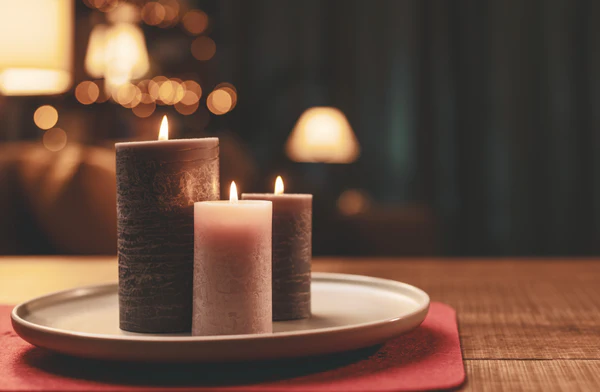
A candle can change the mood of a room in seconds. Warm light. Soft scent. A calmer pace after a long day. That comfort feels simple, yet a small flame can turn risky fast when it sits near clutter, drafts, kids, pets, or a forgotten paper towel on the counter.
Safety starts before the match ever strikes. It starts with smart placement, steady habits, and knowing what to do when a flame behaves oddly. These tips apply to every style, from pillar candles on a dining table to bulk candles used for parties, power outages, or everyday ambience.
Start With a Safe Setup Before You Light Anything
Choose a stable surface that will not wobble if someone bumps the table. Hard, flat materials work best. Keep candles away from edges, where sleeves, bags, or a curious pet can brush past and tip them. If you use shelves, confirm the candle sits far below anything hanging above it.
Distance matters more than most people expect. Keep flames away from curtains, paper, books, dried flowers, holiday décor, and anything that can catch quickly. That includes items that feel “safe” because they look sturdy, like a decorative basket or a wooden tray. Wood can heat up, and woven fibers can ignite.
Use a proper holder every time. The holder should match the candle size, catch drips, and resist heat. A wide base adds stability, while a raised rim helps contain melting wax. If the candle container looks cracked, chipped, or thin, skip it. Glass can fail when heat concentrates in one spot.
Manage Wicks and Wax So the Flame Stays Predictable
Trim the wick before each burn. A long wick often causes a tall flame, smoking, and soot on walls or ceilings. A shorter wick supports a steadier burn and reduces flare-ups. If you do not have wick trimmers, small scissors can work, as long as you keep them clean and cut carefully.
Watch the melt pool. Ideally, melted wax spreads evenly across the top without tunneling down the center. Tunneling can trap heat and waste wax. On the other hand, an overly deep melt pool can make the flame unstable. If the candle begins to smoke or the flame keeps dancing high, extinguish it, let it cool, trim the wick, then try again later.
Keep the wax free of debris. Matches, wick trimmings, dust, and bits of packaging can act like extra fuel. That can cause popping, crackling, or unexpected flare. A quick check before lighting and after blowing out helps prevent trouble.
Control Burn Time and Never Treat a Candle Like Background Décor
Set a burn limit and stick to it. Long burns can overheat containers, increase soot, and make wax temperatures harder to control. Shorter sessions also reduce the chance of someone forgetting a candle in another room.
Stay in the room while it burns. Many incidents start with a “quick errand” that turns into a phone call, a shower, or a nap. If you are leaving the room for more than a brief moment, put the flame out. A candle is not a nightlight, and it is not a substitute for a lamp.
Extinguish candles before sleep, before leaving the home, and before starting tasks that pull focus, like cooking or cleaning with chemicals. Distractions stack up fast. One strong habit solves most of the problem: the last person out of the room puts the flame out.
Keep Kids, Pets, and High Traffic Areas in Mind
Think of a kid’s height and a pet’s height. A coffee table can feel safe to an adult and still be a danger zone for a toddler who can reach up, or a cat who can jump. Place candles well out of reach, and avoid narrow ledges where animals like to perch.
Avoid busy pathways. Entry tables, hallways, and tight kitchen counters invite bumps. Even a sturdy candle can tip if it sits where bags get dropped or where people turn quickly. If you want candlelight in those spaces, choose an area with breathing room around it.
Teach simple rules early. A clear “no touching, no blowing, no carrying” guideline prevents accidents and reduces temptation. For gatherings, assign one person to be responsible for candles, especially if children are present or people move around with drinks and coats.
Use Smarter Practices for Containers, Votives, and Multiple Candles
Container candles need special attention. Heat builds inside the jar, and the glass can get hot enough to burn skin. Keep containers on a heat-safe coaster, and avoid moving them while lit or while the wax is still liquid. If you must move a candle, extinguish it first and let it cool.
When you burn multiple candles, space them out. Flames too close together create extra heat and can soften wax faster than expected. That can lead to leaning wicks, warped containers, or flames that pull toward each other. A few inches of separation helps each candle burn as designed.
Be careful with décor pairings. Dried botanicals, ribbons, and faux greenery can look great near candlelight, yet they belong at a safe distance. If you want a styled look, place décor around the candle zone, not inside it. Think of an invisible safety circle around every flame.
Extinguish Safely and Know What to Do if Something Goes Wrong
Use a snuffer when you can. Snuffing reduces smoke and prevents hot wax from splashing. If you blow out a candle, do it gently and keep your face back. A sharp puff can send wax droplets outward or knock a loose flame into nearby items.
Never use water to put out a candle that has a pool of melted wax. Water can cause hot wax to splatter and spread. If a flame grows or a container seems unstable, smother it if possible by covering it with a snuffer or a metal lid. If you cannot do that safely, move people away and call emergency services.
Keep a simple safety plan in your head. If a candle tips, do not grab it with your bare hands. Extinguish the flame first if possible, then address the spilled wax after it cools. If you see heavy smoke, a strong burning smell, or a container cracking, end the burn session right away and retire that candle.
Candle safety is mostly routine. Place it right. Trim the wick. Watch the burn. Put it out before you forget it is there. Those habits protect your home while letting you enjoy the calm that candlelight brings.