Advanced First Aid Training for High Risk Work Environments
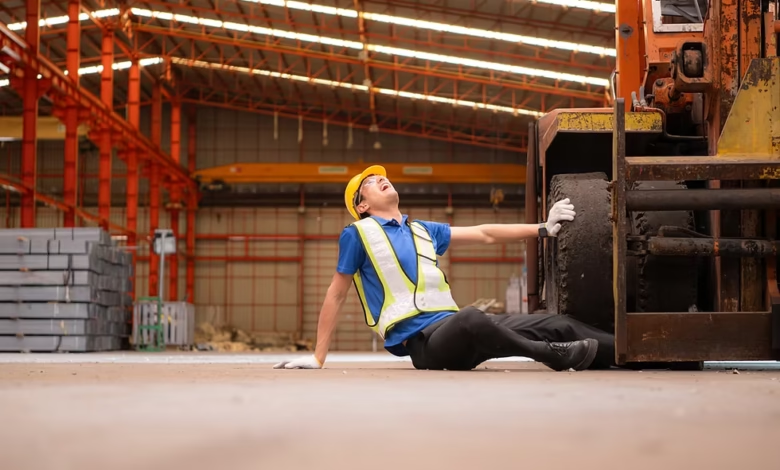
Workplaces such as construction sites, mining operations, manufacturing plants, warehouses, and industrial facilities present higher levels of risk than standard office settings. Heavy machinery, hazardous materials, elevated work areas, and physically demanding tasks increase the likelihood of serious injuries and medical emergencies. In such environments, advanced first aid training is not just beneficial; it is essential for protecting lives and ensuring compliance with safety standards.
Why High-Risk Workplaces Require Advanced Training
Basic first aid knowledge provides a foundation for responding to minor injuries, but high-risk environments demand more comprehensive skills. Workers may face severe bleeding, crush injuries, burns, fractures, electrical shock, chemical exposure, or cardiac emergencies. Advanced training prepares designated responders to assess critical situations quickly, stabilise injured workers, and provide life-preserving care until emergency services arrive.
Employers who invest in advanced training demonstrate a commitment to safety, reduce downtime caused by injuries, and help maintain compliance with occupational health and safety regulations.
Critical Skills Covered in Advanced First Aid Training
Advanced first aid programs are designed to equip participants with practical skills that address complex emergencies. These skills include advanced wound management, control of severe bleeding, spinal injury stabilisation, treatment of burns and chemical exposure, and management of shock and trauma.
Participants also learn how to handle unconscious casualties, perform patient assessments, and prioritise care in multiple casualty situations. These abilities are particularly valuable in industrial settings where injuries can be severe and immediate action is required.
Workers seeking first aid courses in Bundaberg can benefit from training that reflects real workplace hazards and emergency scenarios common in high-risk industries.
CPR and Cardiac Emergency Preparedness
Cardiac arrest can occur without warning, even in physically demanding workplaces. Immediate response using cardiopulmonary resuscitation and automated external defibrillators significantly improves survival rates. Advanced training ensures responders are confident in performing CPR under pressure and using AED devices effectively.
Completing a Bundaberg CPR course provides workers with the ability to maintain circulation and oxygen flow during cardiac emergencies. These life-saving skills can make the difference between survival and tragedy in remote or high-risk work sites where medical help may take time to arrive.
Emergency Response Planning and Team Coordination
In high-risk workplaces, emergency response requires teamwork and clear communication. Advanced first aid training emphasises coordination, scene safety assessment, and incident management procedures. In order to keep the site safe, participants learn how to talk to emergency services, lead evacuation processes, and help hurt workers.
Training also reinforces hazard awareness and prevention strategies, helping workers recognise risks before accidents occur.
Compliance, Safety Culture, and Risk Reduction
Occupational safety regulations require employers to provide adequate first aid resources and trained personnel. Advanced training helps organisations meet these obligations while building a culture of safety and preparedness.
Having trained responders onsite reduces response time, minimises injury severity, and demonstrates due diligence in risk management. Workers feel more secure knowing colleagues are prepared to respond effectively in emergencies.
Employees who complete a cpr course bundaberg enhance workplace readiness while contributing to a safer and more responsible work environment.
Building Confidence in Real World Emergencies
High-risk environments demand calm decision-making and swift action. Advanced first aid training builds confidence through scenario-based learning and hands-on practice. Participants gain the experience needed to remain composed, assess conditions accurately, and provide appropriate care under pressure.
Conclusion
Advanced first aid training is a vital investment for any high-risk work environment. By equipping workers with specialised emergency response skills, organisations improve safety outcomes, meet compliance requirements, and protect their workforce. Trained responders are very important for saving lives and lessening the effects of accidents at work. They know how to handle stress and are ready to give CPR.
READ ALSO: Master CPR & First Aid: Steps to Earning Your Life-Saving Certificate