Food Grade O-Rings vs. Standard O-Rings: The $50,000 Contamination Risk Most Manufacturers Ignore
Manufacturing facilities across food processing, pharmaceutical, and beverage industries face a persistent challenge that often goes unnoticed until it becomes costly. A single seal failure in a production line can trigger contamination events that halt operations, require extensive cleaning protocols, and potentially lead to product recalls. The difference between standard industrial seals and those designed for direct food contact represents more than a material specification—it reflects a fundamental approach to risk management in regulated environments.
Many operations managers inherit existing systems without fully understanding the sealing components within their equipment. When replacement parts are needed, the decision between standard rubber seals and food-safe alternatives often comes down to immediate availability and cost. However, this seemingly minor choice carries implications that extend far beyond the purchase price, affecting compliance status, operational continuity, and long-term facility reputation.
Material Composition Determines Regulatory Compliance
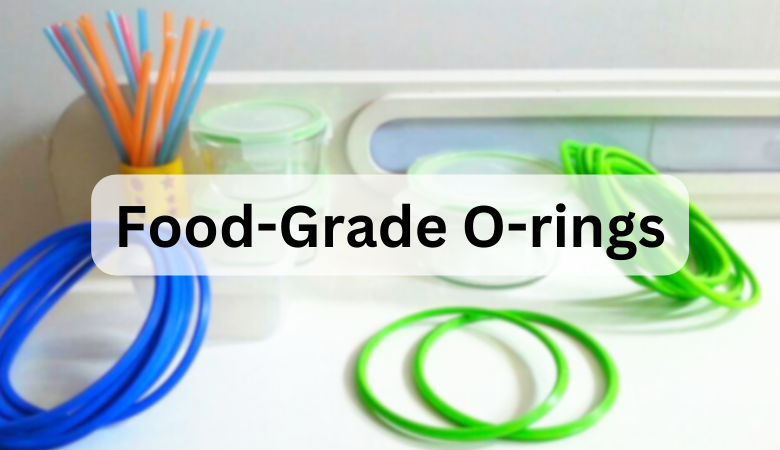
The fundamental distinction between standard industrial seals and those approved for food contact lies in their base materials and manufacturing processes. Food grade o rings are formulated using elastomers that meet strict regulatory requirements established by agencies such as the FDA, ensuring they do not leach harmful compounds when exposed to food products, cleaning chemicals, or temperature variations common in processing environments.
Standard industrial seals typically contain additives, accelerators, and curing agents that perform well in mechanical applications but can migrate into food products over time. These compounds may include sulfur-based accelerators, antioxidants, or processing aids that enhance durability in non-food applications but create contamination risks when used in food processing equipment.
The manufacturing environment for food-grade seals also differs significantly. Production facilities must maintain higher cleanliness standards, implement material traceability systems, and often undergo regular audits to ensure consistent compliance with food safety regulations. This controlled manufacturing approach eliminates cross-contamination risks that could occur if food-contact seals were produced alongside industrial components.
Chemical Migration Testing Requirements
Food-safe sealing materials undergo extensive migration testing to verify that chemical compounds do not transfer from the seal material into food simulants under various temperature and time conditions. These tests replicate real-world exposure scenarios, including extended contact with acidic foods, fatty substances, and aqueous solutions at elevated temperatures. Standard industrial seals do not undergo this testing, making their migration characteristics unknown and potentially problematic.
The testing protocols also evaluate seal performance when exposed to cleaning and sanitizing chemicals commonly used in food processing facilities. Industrial seals may degrade rapidly when subjected to caustic cleaners, chlorine-based sanitizers, or hydrogen peroxide treatments, leading to accelerated replacement cycles and increased contamination risk from degraded seal materials.
Documentation and Traceability Standards
Food processing facilities operating under HACCP protocols require detailed documentation for all materials that contact food products. Food-grade seals come with certificates of compliance, material safety data sheets, and batch traceability information that support audit requirements and regulatory inspections. Standard industrial seals typically lack this documentation, creating compliance gaps that can result in regulatory findings during facility inspections.
The traceability requirements extend beyond initial installation to include maintenance records and replacement part documentation. When facilities cannot demonstrate that all food-contact materials meet regulatory standards, they face potential enforcement actions, mandatory facility improvements, or restrictions on product distribution.
Temperature and Chemical Resistance Characteristics
Food processing environments subject sealing materials to thermal cycling, chemical exposure, and mechanical stress that differs from typical industrial applications. Food grade o rings are formulated to maintain their sealing properties and chemical stability across the temperature ranges and exposure conditions common in food processing, including steam sterilization, hot water sanitizing, and rapid cooling cycles.
Standard industrial seals often exhibit adequate mechanical properties but may fail when exposed to the aggressive cleaning chemicals required in food processing. Caustic cleaners used for protein removal, acid cleaners for mineral deposits, and oxidizing sanitizers can cause standard rubber compounds to swell, crack, or become brittle, leading to seal failure and potential contamination.
The thermal stability requirements for food processing also exceed many industrial applications. Seals in pasteurization equipment, steam injection systems, and hot-fill operations must maintain their integrity at elevated temperatures while returning to effective sealing performance as temperatures normalize. Standard seals may experience permanent deformation or chemical degradation under these conditions.
Cleaning Protocol Compatibility
Food processing facilities implement clean-in-place systems that circulate cleaning solutions through equipment without disassembly. These systems rely on seals maintaining their integrity while exposed to concentrated alkaline cleaners, acid rinses, and sanitizing solutions. Standard industrial seals may not withstand this chemical exposure, leading to premature failure and the need for equipment disassembly to replace damaged seals.
The cleaning validation process in food facilities requires that all surfaces, including seal materials, can be effectively cleaned and sanitized without harboring contaminants. Standard seals may develop surface roughness or chemical degradation that creates areas where bacteria can survive cleaning procedures, compromising the effectiveness of sanitation protocols.
Steam Sterilization Requirements
Many food processing operations use steam sterilization for equipment sanitization, subjecting seals to saturated steam conditions that combine high temperature with moisture exposure. Food-grade seal materials are tested for steam resistance to ensure they maintain sealing effectiveness and do not degrade in ways that could introduce contaminants. According to the FDA’s food contact substance regulations, all materials used in food processing equipment must maintain their intended performance characteristics under normal use conditions, including sterilization procedures.
Standard industrial seals may experience accelerated aging, hardening, or chemical breakdown when exposed to steam sterilization cycles. This degradation not only reduces sealing effectiveness but can also result in particle generation as seal materials deteriorate, creating additional contamination risks in the food processing environment.
Cost Analysis of Contamination Events
The financial impact of using inappropriate sealing materials in food processing extends well beyond the initial cost difference between standard and food-grade options. Contamination events triggered by seal failures can result in production shutdowns, product disposal, facility deep cleaning, and regulatory investigations that collectively generate costs far exceeding the premium for proper sealing materials.
Production interruptions caused by seal failures require equipment shutdown, part replacement, system cleaning, and product quality verification before operations can resume. These interruptions typically affect entire production lines rather than isolated equipment, multiplying the impact on facility output and delivery schedules. The lost production time represents not only direct revenue impact but also potential customer relationship damage from delayed or cancelled orders.
When seal degradation introduces foreign materials into food products, the response requirements escalate significantly. Quality control systems may detect contamination during routine testing, triggering product holds, investigation procedures, and potential recalls. The costs associated with these events include product destruction, customer notification, regulatory reporting, and enhanced inspection protocols that can persist long after the initial incident.
Regulatory Enforcement Consequences
Facilities that experience contamination events linked to inappropriate materials face potential regulatory enforcement actions that carry both immediate costs and long-term business implications. Warning letters, consent decrees, or facility registrations can restrict product distribution, require third-party oversight, and mandate expensive facility upgrades to address identified deficiencies.
The regulatory response to contamination events often includes expanded inspection protocols that examine all food-contact materials and their compliance documentation. Facilities using standard industrial seals in food processing applications may face multiple findings beyond the initial contamination incident, as regulators identify systematic gaps in material selection and documentation practices.
Insurance and Liability Considerations
Product liability insurance policies may contain exclusions or limitations related to contamination events caused by the use of non-compliant materials in food processing applications. Facilities that knowingly use standard industrial seals in food-contact applications may find their coverage restricted or voided if contamination events result in customer illness or product recalls.
The liability exposure extends to third-party manufacturers, distributors, and retailers who handle affected products. Contamination events can trigger complex liability claims involving multiple parties, with costs potentially exceeding individual facility insurance coverage limits. Food-grade sealing materials provide documentation and compliance evidence that supports liability defense and insurance coverage claims.
Maintenance and Replacement Considerations
The service life characteristics of food-grade and standard seals differ significantly in food processing environments, affecting both maintenance scheduling and total cost of ownership. Food-grade materials are formulated to resist the chemical and thermal stresses specific to food processing, often providing longer service intervals and more predictable replacement scheduling compared to standard materials used inappropriately.
Standard seals in food processing applications may require more frequent replacement due to degradation from cleaning chemicals, temperature cycling, or chemical incompatibility. This increased replacement frequency not only raises direct material costs but also increases labor costs and production downtime associated with maintenance activities.
The unpredictable failure patterns of inappropriate sealing materials can disrupt maintenance scheduling and force reactive repairs during production periods. Food-grade seals typically exhibit more consistent wear patterns and predictable service life, allowing maintenance teams to schedule replacements during planned downtime and maintain adequate spare part inventories.
Inventory Management Impact
Facilities that standardize on food-grade sealing materials can simplify inventory management by using compliant materials throughout their operations, regardless of specific application requirements. This standardization reduces the risk of installing inappropriate seals during emergency repairs and eliminates the need to maintain separate inventories of food-grade and standard materials.
The documentation requirements for food-grade materials also support more effective inventory management through improved traceability and shelf-life monitoring. Standard materials may lack the batch identification and storage requirement information needed for effective inventory rotation and quality maintenance.
Training and Procedural Requirements
Maintenance personnel in food processing facilities require training to identify appropriate sealing materials and understand the compliance implications of part selection decisions. Facilities using both food-grade and standard sealing materials must implement procedures to prevent cross-contamination between inventories and ensure appropriate materials are selected for each application.
The complexity of maintaining separate material classifications increases the risk of installation errors during maintenance activities, particularly during emergency repairs when time pressures may lead to expedient rather than appropriate part selection. Standardizing on food-grade materials eliminates these procedural complexities and reduces training requirements for maintenance personnel.
Quality System Integration
Food processing facilities operating under quality management systems such as ISO 22000, SQF, or BRC must demonstrate systematic control over all materials that could affect food safety. The selection and procurement of sealing materials represents a critical control point that requires documented procedures, supplier qualification, and ongoing monitoring to maintain system compliance.
Food-grade sealing materials support quality system requirements through comprehensive documentation, supplier certification programs, and established traceability systems. Standard industrial seals typically lack the documentation and supplier oversight needed to meet food safety management system requirements, creating systematic gaps that can affect facility certification status.
The audit requirements associated with food safety certifications include detailed review of material selection procedures, supplier qualifications, and compliance documentation for all food-contact materials. Facilities using inappropriate sealing materials may receive non-conformances that require corrective action plans, enhanced monitoring, and potential re-audit activities to maintain certification status.
Supplier Qualification Requirements
Quality management systems require that suppliers of food-contact materials demonstrate appropriate manufacturing controls, quality systems, and regulatory compliance. Suppliers of food-grade sealing materials typically maintain quality certifications, implement batch testing protocols, and provide the documentation needed for supplier qualification processes.
Standard seal suppliers may lack the quality system infrastructure and regulatory expertise needed to meet food industry supplier requirements. This gap can create procurement challenges and force facilities to implement additional verification and testing procedures to compensate for supplier limitations.
Conclusion
The distinction between food-grade and standard sealing materials represents a fundamental risk management decision that affects regulatory compliance, operational continuity, and financial performance in food processing operations. While the initial cost premium for food-grade materials may appear significant, the potential consequences of contamination events, regulatory enforcement actions, and operational disruptions far exceed these upfront investments.
Facility managers and maintenance professionals must recognize that sealing material selection affects not only immediate equipment performance but also long-term compliance status, quality system effectiveness, and business reputation. The integration of appropriate materials into procurement procedures, maintenance protocols, and quality management systems provides the foundation for sustainable operations in regulated food processing environments.
The complexity of modern food safety regulations and the increasing scrutiny of regulatory agencies make material compliance a critical operational consideration rather than an optional enhancement. Facilities that proactively address sealing material selection reduce their exposure to contamination risks while supporting the systematic approaches required for long-term success in food processing operations.