How Aquariums Can Teach Kids About Ecosystems and Responsibility
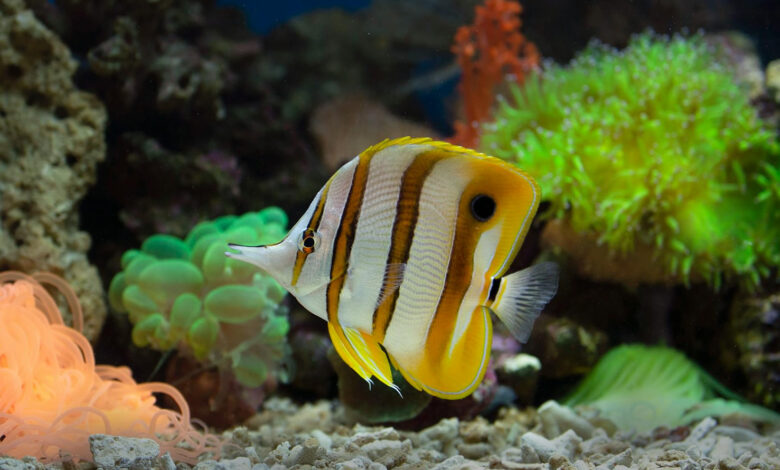
Bringing an aquarium into the classroom can do far more than simply add a splash of colour and life to the environment. For children, an aquarium is a living, breathing learning tool — one that offers endless opportunities to explore science, nature, and personal growth. From understanding ecosystems to developing a sense of responsibility, studying aquariums can enrich a school curriculum in creative and meaningful ways.
Exploring Ecosystems in Real Time
An aquarium is essentially a miniature ecosystem — a microcosm of the natural world. Within it, students can observe how living organisms interact with each other and their environment. This real-world example helps to bring abstract scientific concepts to life.
Curriculum topics that can be explored include:
- Food chains and energy flow: Students can learn how algae, small invertebrates, and fish form part of an interconnected food web.
- Habitats and adaptation: Each fish and plant has specific needs — such as water temperature, pH balance, and lighting — demonstrating how animals adapt to survive in particular environments.
- Water cycles and chemistry: Testing and maintaining water quality introduces students to the basics of chemistry and environmental science.
- Biodiversity and conservation: Discussions about different species and their habitats can naturally lead into broader conversations about environmental protection and conservation.
Aquariums can tie neatly into science curriculums at multiple key stages, supporting learning outcomes in biology, geography, and environmental studies.
Developing Responsibility and Empathy
Looking after an aquarium gives students an opportunity to learn valuable life lessons that go beyond textbooks. Fish need consistent care — clean water, regular feeding, and observation to ensure their wellbeing. Assigning roles to students, such as monitoring water conditions or feeding the fish, encourages accountability and teamwork.
Key life skills and lessons include:
- Responsibility: Caring for living creatures teaches children to be reliable and consistent.
- Empathy: Watching and caring for animals helps students understand the importance of kindness and compassion.
- Patience and observation: Aquariums reward careful attention and long-term commitment, teaching children that good results take time.
- Problem-solving: When issues arise — such as algae growth or changes in fish behaviour — students can work together to find solutions, reinforcing scientific thinking.
These soft skills are as important as academic knowledge, helping young people build character and confidence in their abilities.
A Cross-Curricular Learning Tool
While aquariums fit naturally within science lessons, their educational value extends much further. For example:
- Mathematics: Measuring water levels, calculating feeding amounts, or tracking growth rates introduces practical numeracy.
- Art and design: Students can draw fish, create habitat posters, or design aquarium layouts, combining creativity with learning.
- English and communication: Writing care guides, observation journals, or reports about aquatic life helps develop literacy and research skills.
- ICT: Some classes may even use digital sensors and software to monitor temperature and water quality, combining science with technology.
By integrating aquariums into a range of subjects, schools can encourage curiosity, creativity, and critical thinking.
Support from Specialist Aquarium Providers
There are a number of companies that now specialise in providing educational aquariums for schools, offering everything from complete setup services to ongoing maintenance. Some, such as Aqualease, also supply teaching resources, like lesson plans, student worksheets, and digital learning materials. These resources make it easy for teachers to align aquarium projects with curriculum objectives, even if they have limited experience with aquatic care.
With professional support, schools can ensure their aquariums remain healthy, safe, and engaging learning environments all year round.
Bringing Learning to Life
Incorporating an aquarium into school life transforms the classroom into a space for discovery. Students don’t just learn about ecosystems — they experience them firsthand. They gain a sense of wonder for the natural world and develop practical skills that extend far beyond science.
By combining education, empathy, and environmental awareness, aquariums provide one of the most engaging and holistic teaching tools available. For schools looking to inspire curiosity and responsibility in young minds, few classroom projects make a bigger splash.