How Denim Tears Blends Art, Activism, and Heritage in Modern Streetwear
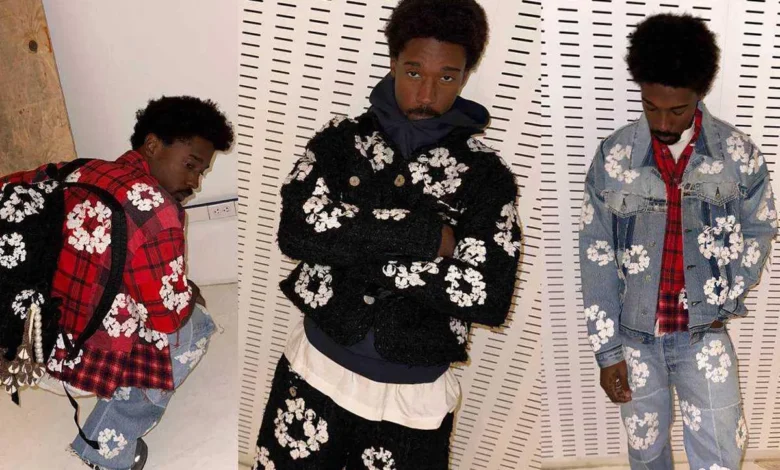
Denim Tears, founded by Tremaine Emory, stands as more than just a streetwear label—it’s a cultural statement rooted in history, identity, and resistance. Emory uses fashion as a storytelling medium, channeling the experiences of the African diaspora through Denim Tear, cotton, and symbolic designs. His work transcends commercial fashion, aiming to reclaim narratives lost or distorted through centuries of oppression. Every piece embodies a dialogue between art and activism, making Denim Tears both a brand and a movement. It bridges generational memory, contemporary style, and the ongoing fight for social justice and representation.
The Intersection of Fashion and Activism
For Emory, fashion is inseparable from activism. Denim Tears challenges the industry’s tendency to commodify Black culture without honoring its roots. The brand’s collections often reference slavery, colonialism, and the exploitation of cotton—transforming painful history into empowerment. Through bold graphics and thought-provoking collaborations, Emory reclaims symbols of Black identity and resilience. His approach to fashion activism is subtle yet powerful, encouraging dialogue rather than confrontation. By merging art and advocacy, Denim Tears forces consumers to confront uncomfortable truths while appreciating beauty in storytelling. Each garment becomes both protest and pride, redefining what activism looks like in modern streetwear.
Storytelling Through Design and Symbolism
Denim Tears’ designs speak volumes without words. Emory uses cotton wreath motifs, printed imagery, and historical references to convey the African American struggle and triumph. The cotton flower, frequently seen across his collections, symbolizes both trauma and transformation—once a tool of exploitation, now reimagined as a sign of resilience. Denim serves as a cultural canvas, carrying stories from plantations to present-day creativity. Each piece honors ancestors and celebrates survival, blending raw emotion with modern craftsmanship. The brand’s storytelling approach ensures that fashion remains more than aesthetic—it becomes a vessel of remembrance, conversation, and cultural preservation.
Collaborations That Amplify the Message
Denim Tears has partnered with iconic brands such as Levi’s, Converse, and Dior, extending its message beyond niche audiences. These collaborations serve as platforms to amplify narratives of Black heritage within mainstream fashion. Emory ensures that these partnerships are rooted in authenticity, using global recognition to educate rather than simply to sell. For instance, the Levi’s x Denim Tears collaboration highlighted the history of cotton and Black labor, turning a classic American fabric into a historical statement. By aligning with established brands, Denim Tears transforms commercial partnerships into cultural interventions that promote awareness, unity, and social consciousness.
Honoring the Legacy of the African Diaspora
At its core, Denim Tears is a tribute to the African diaspora and its global influence on art, music, and fashion. Emory celebrates the resilience and creativity born out of adversity, reinterpreting traditional garments and symbols through a modern lens. His collections highlight how Black culture has shaped global aesthetics, often without proper recognition. Denim Tears aims to restore that acknowledgment, giving credit and visibility to communities whose contributions built much of the modern world. By honoring these legacies, Emory turns every collection into a living archive—one that educates, commemorates, and uplifts the spirit of collective heritage.
The Role of Cotton in Denim Tears’ Narrative
Cotton is central to Denim Tears’ identity, representing both historical pain and cultural rebirth. Emory uses the fabric not just for its tactile qualities but for its profound symbolism in the story of Black America. Once a tool of enslavement and exploitation, cotton becomes a medium of reclamation in his work. The recurring cotton motifs urge reflection on how the material economy of slavery shaped modern capitalism. By transforming cotton into art, Denim Tears rewrites its legacy—turning a reminder of oppression into a symbol of endurance, creativity, and freedom within contemporary fashion discourse.
Bridging Art and Streetwear
Denim Tears seamlessly merges fine art and streetwear, creating garments that function as wearable exhibitions. Emory’s background in art curation influences his design process, infusing each collection with visual storytelling reminiscent of gallery installations. The fusion challenges elitist notions of art, placing it in everyday spaces where culture lives and breathes. His pieces often blend photographic prints, text, and historical imagery, inviting interpretation and reflection. This artistic approach elevates streetwear from trend-driven fashion to cultural commentary. Denim Tears’ ability to bridge these worlds demonstrates that streetwear can be both intellectually profound and stylistically revolutionary.
The Emotional Impact of Denim Tears’ Collections
Denim Tears’ collections resonate deeply because they evoke emotion—grief, pride, and reflection intertwined. Emory crafts his work with intention, ensuring every stitch carries meaning. His designs encourage wearers to feel connected to a larger story, blending personal identity with collective history. The emotional gravity of his work comes from its sincerity and depth, touching on experiences that transcend fashion. Through vulnerability and truth-telling, Denim Tears transforms pain into beauty and history into hope. The result is not just clothing but emotional art—pieces that invite empathy, understanding, and a renewed sense of cultural awareness.
Influence on Modern Streetwear Culture
Denim Tears has reshaped modern streetwear by emphasizing substance over hype. In an industry often driven by limited drops and celebrity endorsements, Emory brings focus back to storytelling and purpose. His influence can be seen in the rise of brands prioritizing cultural authenticity and historical awareness. Denim Tears’ success proves that consumers crave deeper connections to the clothes they wear. By blending aesthetics with meaning, Emory inspires a new wave of designers to engage with heritage and activism. Denim Tears’ legacy lies in redefining what it means for streetwear to have soul, depth, and historical consciousness.
A Legacy of Art, Activism, and Identity
Denim Tears stands as a blueprint for how fashion can serve as cultural preservation, artistic expression, and social activism all at once. Tremaine Emory’s work challenges the boundaries of style, insisting that garments can carry memory and mission. His brand reminds the world that heritage is not static—it evolves, resists, and inspires. Through Denim Tears Hoodie, Emory proves that modern streetwear can do more than follow trends; it can ignite dialogue, confront injustice, and honor ancestry. In doing so, Denim Tears doesn’t just make clothes—it makes history, one cotton-threaded story at a time.