How Emergency Vets Triage Pets: What Happens In The First 10 Minutes
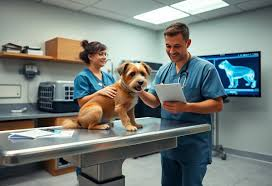
When you rush your pet into an emergency clinic, those first minutes feel endless. You may fear the worst. You may also feel lost about what will happen next. The truth is that the team moves fast and follows a clear plan. Staff check your pet the moment you arrive. They decide who needs help right away and who can wait a short time. They do not work on a first come, first served list. They work on who is in the most danger. This process is called triage. It protects pets who are closest to death. It also keeps care fair and steady for every patient. If you know these steps, you gain some control in a hard moment. You also know how your trusted veterinarian and emergency animal care in Roanoke, VA will respond when every second counts.
Minute 0–2: Check in and first scan
The clock starts when you walk through the door. A team member looks at your pet right away. This is a quick scan. It is not a full exam.
Staff look for three things.
- Is your pet breathing
- Is your pet awake or trying to wake up
- Is there heavy bleeding
You may fill out a short form at the same time. You may answer fast questions. The team uses your words plus what they see to judge risk.
If your pet cannot breathe or is unresponsive, staff move your pet straight to the back. You may stay in the lobby for a short time while they start care. This split hurts. It also saves lives.
Minute 2–5: Basic life checks
Next, the team does basic life checks. These checks tell them how close your pet is to collapse.
- Heart rate and pulse
- Breathing rate and effort
- Gum color and refill time
- Body temperature
- Level of alertness and response to touch
They may place a clip on an ear or tongue to read oxygen level. They may place a thermometer. They may wrap a cuff to read blood pressure.
During this time, another staff member may ask you key questions.
- What happened and when
- What medicine your pet takes
- Any known health problems
This short talk guides the next move. It also keeps you involved while the team works.
Common triage levels for pets
Emergency teams use clear levels to rank need. The words may change by clinic. The idea stays the same. The table below shows a simple comparison.
| Triage level | Typical wait time | Example signs |
|---|---|---|
| Level 1Immediate | No wait | Not breathing. Blue or gray gums. Heavy bleeding that will not slow. Seizure that does not stop. |
| Level 2Very urgent | Seen within minutes | Hard or fast breathing. Very weak. Pale gums. Possible poison exposure. Large open wounds. |
| Level 3Urgent | Short wait | Repeated vomiting. Pain when touched. Trouble walking. High or low temperature. |
| Level 4–5Less urgent | Longer wait | Itching. Mild limp. Ear infection. Small cuts. Long term issues without sudden change. |
Your pet may move up or down a level as signs change. Triage is not one choice. It is a cycle that repeats while your pet stays in care.
Minute 5–7: Fast support care
Once the team knows the triage level, they start fast support care. This does not replace full treatment. It keeps your pet stable long enough for tests and a plan.
For high risk pets, the team may.
- Place an IV line to give fluids
- Give oxygen through a mask or cage
- Control bleeding with pressure or bandage
- Give medicine for pain or seizures
For pets in less danger, staff still act. They keep your pet warm. They place a soft muzzle if needed. They watch breathing and heart rate. They keep notes for the vet.
Minute 7–10: First decisions and next steps
By now, the vet has a short picture of your pet. It is not full. It is clear enough to choose the next step. You may hear one of three paths.
- Life saving care now in treatment or surgery
- Urgent tests such as blood work or x rays
- Safe wait in an exam room with close checks
The vet gives you a brief update. You hear what they think is most likely. You hear what they need to confirm it. You also hear early cost ranges. You may need to sign a form so they can treat.
This talk is short. It can still feel heavy. It is fine to ask for simple words. It is fine to repeat back what you heard. That helps clear fear and cut confusion.
How you can help before you arrive
You cannot control every crisis. You can still shape those first 10 minutes long before they happen.
- Keep a list of medicines and allergies for your pet
- Know the address and phone number of the closest 24 hour clinic
- Store the ASPCA Animal Poison Control line and your regular vet number in your phone
You can learn warning signs that need emergency care. The American Veterinary Medical Association shares clear guides on common pet emergencies here. The U.S. Food and Drug Administration lists human foods and products that poison pets at this page.
What to expect from staff communication
Good teams follow three simple steps with you.
- They explain what they are doing right now
- They tell you what they will watch for next
- They say when you will hear from them again
You can ask.
- What is the main risk at this moment
- What change should worry me most
- What choice do you suggest first
Clear talk builds trust even when the news hurts. It helps you stand steady for your pet.
Facing those first 10 minutes
Emergency triage is not random. It is a focused way to guard life when time feels cruel. Staff look fast. They act fast. They share what they can as they go.
When you know what happens in those first 10 minutes, you walk through the door with less shock. You can give clear answers. You can ask sharp questions. Most of all, you can stay present for your pet while the team does the rest.