How Seasonal Changes Affect Pest Control In Baltimore?
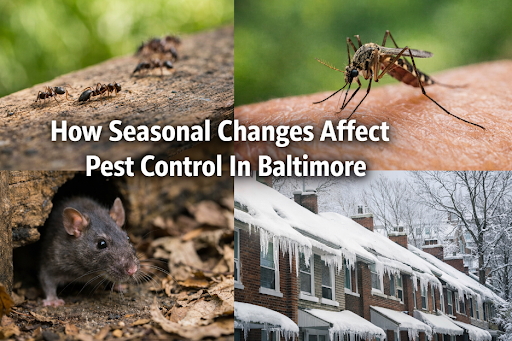
When the weather changes in Baltimore, the sensory activity of pests changes with it.
One week, you are dealing with ants in the kitchen, and then several months later, rodents are searching for warmth inside your walls. Meanwhile, humidity increases, temperatures lower, and rainfall varies – all of which affect the way and location in which pests move.
Because of this constant environmental change, pest control is never a one-time job. Instead, it requires seasonal awareness and proactive planning.
As you progress through each season, different pest pressures arise, often taking homeowners by surprise. Understanding how the climate patterns of Baltimore affect the behavior of various pests allows you to be proactive instead of reactive.
This article breaks down why and how exactly seasonal changes affect pest control in Baltimore and what you can expect all year round.
1. Spring Awakening: Increased Activity After Winter Dormancy
As the temperature starts to rise in early spring, pests that were dormant or hidden during the winter season become active again. In fact, spring is generally the time when infestations come into view. Termites swarm, ants forage voraciously, and rodents boost movement after months of sheltering indoors.
This is why most homeowners contact pest control exterminators in Baltimore when the weather starts to become mild. The sudden appearance of insects is not random in nature. Rather, it is the warming of the soil temperature and soil moisture from spring rain that starts the breeding cycles and expansion of colonies.
For instance, swarms of termites most commonly appear in the spring, when the reproductive termites move out of established termite colonies to begin new colonies. Similarly, carpenter ants and pavement ants start searching for food when there is more available.
Because of this seasonal surge, early spring inspections are critical. Proactive moisture control strategies and perimeter treatments can also help avoid any small issues from becoming greater structural damage or even turning into an infestation.
2. Summer Heat: Peak Season for Insects and Mosquitoes

As spring turns into summer, pest pressure rises. Baltimore’s warm, humid climatic conditions provide excellent breeding conditions for mosquitoes, flies, and stinging insects. Additionally, cockroach populations grow quickly when the heat is high.
The central role here is that of moisture. Standing water from summer storms, clogged gutters, and poor drainage of yards offer mosquito breeding sites. At the same time, humidity boosts the survival rate for cockroaches, especially in kitchens, basements, and commercial properties.
During the summer, pests are not only active, but they also multiply. Therefore, pest control techniques change from a reactionary approach to aggressive prevention techniques. Barrier applications around foundations, yard treatments against mosquito habitats, and routine service intervals become especially important.
Furthermore, in the summer, there is often an increase in outdoor activity. As you spend more time outside, there is an increased risk of exposure. Managing vegetation, sealing exterior entry points, and yard sanitation have a direct impact on the results of pest control during this season.
3. Fall Transition: Rodents and Structural Invasion
As temperatures start to decrease in Baltimore, once again, pest behavior changes. Unlike summer insects that scavenge outdoors, fall pests seek shelter inside. Particularly, rodents become a major concern.
Mice can squeeze through holes that are as small as a dime. Once inside, they are looking for warmth, food, and nesting areas. In addition, they breed very rapidly, allowing a small entry problem to develop into a full infestation in a few weeks.
In addition to rodents, crawlers, and overwintering insects, spiders start migrating into homes. Boxelder bugs, stink bugs, and cluster flies are common pests that congregate on exposed sunny walls before they enter buildings through cracks and vents.
It is for that reason that fall pest control focuses on exclusion techniques. Sealing of gaps, reinforcing door sweeps, screening out vents, and repairing foundation cracks reduces the access points. At the same time, targeted treatments around exterior entry zones help intercept pests before they settle indoors.
Addressing vulnerabilities before the onset of winter greatly reduces cold-weather infestations.
4. Winter Survival: Hidden Infestations and Indoor Persistence
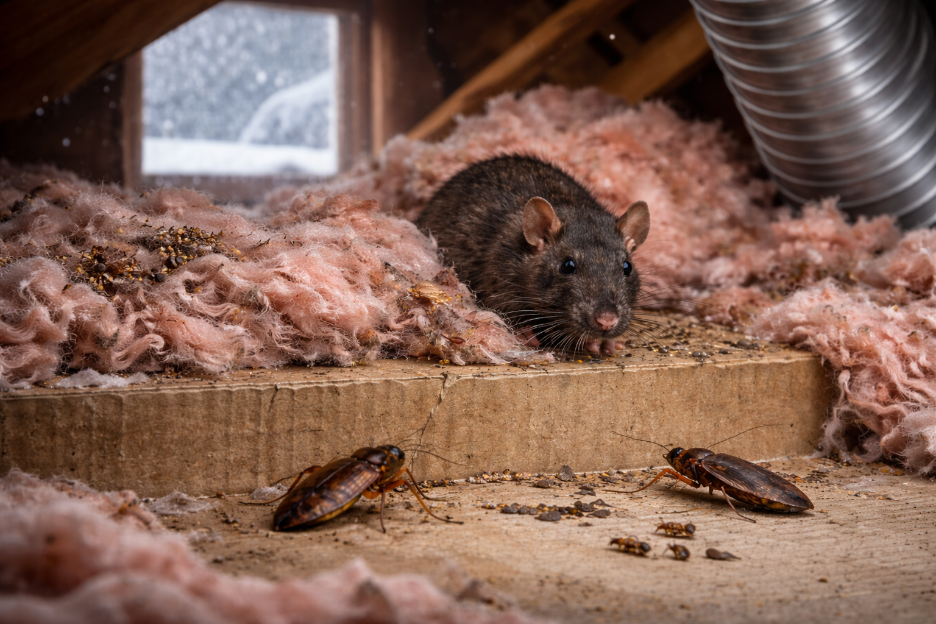
Although winter appears quieter, pest problems do not disappear. Instead, they move indoors and become less visible. Rodents continue nesting in attics and wall voids. Cockroaches remain active in heated environments. Even termites maintain activity below ground where soil temperatures stay stable.
Because pest activity becomes hidden during winter, homeowners often assume the problem has resolved. However, indoor infestations can worsen quietly.
For example, rodents may chew electrical wiring, increasing fire risks. Additionally, cockroach populations can spread within multi-unit housing without detection. Since exterior temperatures push pests toward warmth, winter inspections focus on interior monitoring and early detection.
Moreover, consistent service plans throughout winter ensure that infestations do not rebound in spring. Skipping treatment during colder months often leads to larger outbreaks once temperatures rise again.
Conclusion
Seasonal change in Baltimore is predictable. Pest behavior is predictable as well — if you understand the patterns. Spring triggers reproduction, summer accelerates population growth, fall drives pests indoors, and winter conceals ongoing infestations. At the same time, moisture and humidity influence activity throughout the year.
Because of this constant environmental shift, effective pest control depends on timing, prevention, and structural protection. Waiting until pests are visible often means the infestation is already established. In contrast, aligning pest management with seasonal cycles reduces risk, limits property damage, and prevents recurring issues.
When you approach pest control as a year-round strategy rather than a one-time fix, you gain long-term stability. By adapting to Baltimore’s climate patterns and addressing vulnerabilities before they escalate, you maintain consistent protection in every season.